Turning 50 was a wake-up call for my complexion. Overnight, it seemed like the luminous bounce I had taken for granted disappeared. My cheeks felt drier, my forehead lines lingered longer, and my skin tone looked dull. This isn’t just vanity talking—it’s biology. As we age, our sweat and sebaceous glands slow down, reducing the natural oils that once kept our skin plump and resilient. This decline in sebum and sweat leaves mature skin thinner, more dehydrated and less able to defend against environmental stressors. For years, I piled on heavy creams and oils hoping to restore moisture, only to end up with clogged pores and a greasy T-zone. That’s why my winter makeup choices are all hydration-first—see Best Winter Makeup for Mature Skin.
December 2025 Update!
Over the last few weeks, I’ve been testing a couple of new treatments, and honestly… they surprised me in the best possible way. They’re not your classic sheet masks (one isn’t even Korean!), but they fit beautifully into a mature-skin routine — especially now that the weather is colder and my skin needs that extra boost of firmness and hydration. I’ve been using both consistently, and I’m genuinely impressed with how plump, calm, and smooth my skin has been looking.
NEWKEY Red Light Therapy Mask (7-Color LED Anti-Aging Mask)
I started using this LED mask almost every evening, and I can really feel the difference in firmness and texture. The red light helps support collagen, softens fine lines, and gives my skin that “rested” look — even when I absolutely didn’t sleep enough. It’s not a traditional Korean mask, but for mature skin, the anti-aging benefits are incredible.
TEREZ & HONOR Korean Real Deep Bio Collagen Hydrogel Mask
This one is Korean, and the hydration level is unreal. It’s a thick, bouncy hydrogel mask packed with collagen and moisture-binding ingredients. Every time I use it, my skin looks plumper, smoother, and so much glowier the next morning. It’s perfect for winter dryness or whenever my skin feels a bit tired or flat.
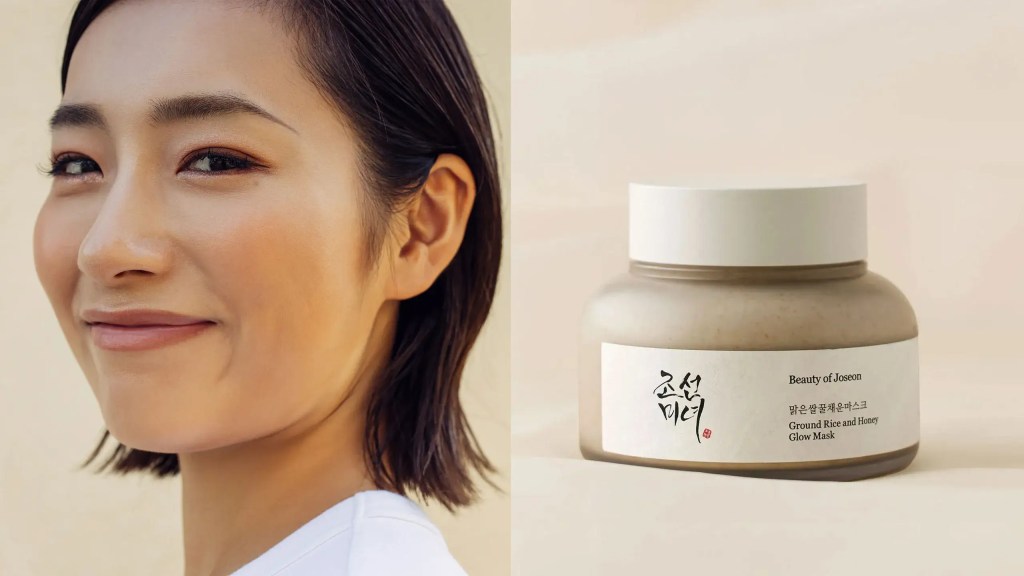
That’s when I began exploring Korean skincare, or K-beauty. Unlike the quick-fix sheet masks I’d previously tried, Korean masks combine time-honored herbal knowledge with modern technology. They use ingredients like snail mucin and ginseng that deliver deep hydration and regenerative benefits. Snail mucin is packed with glycoproteins, enzymes, proteoglycans, hyaluronic acid, antimicrobial peptides and growth factors that hydrate, soothe, and encourage new cell growth. Hyaluronic acid acts as a humectant, drawing water into the skin and keeping it there. Ginseng, another star ingredient, is rich in antioxidants and ginsenosides, compounds that reduce oxidative damage, brighten dull complexions and support collagen synthesis. These powerhouse ingredients aren’t trendy gimmicks; they are backed by centuries of use and modern research.
In this guide, I’ll share my journey with Korean masks over the past year. You’ll learn why snail mucin and ginseng are powerhouse ingredients for mature skin, how to prep your skin to maximize benefits, and which masks deliver real results. I’ll include personal anecdotes, expert tips, product reviews, and answers to common questions. Whether you’re new to K-beauty or simply looking to enhance your routine, this guide will help you build a mask wardrobe that targets dryness, dullness, fine lines, and other concerns. Grab a cup of tea and settle in—I’m about to reveal how these masks transformed my skin and why they deserve a place in your regimen.
Before diving in, remember that masks are just one piece of the puzzle. For a solid foundation, take a look at posts like Best foundation for mature skin, Best Concealers for Mature Skin 2025 and How to Prep Mature Skin for Foundation. These articles complement your masking routine by ensuring your complexion stays smooth and hydrated before makeup. With the right base and the right masks, you can achieve radiant skin that looks great with or without foundation.
Table of Contents
How to Prep Your Skin Before Masking
Proper preparation makes all the difference in how well your mask performs. Think of your skin like a sponge; it can’t absorb serums and essences if there’s a layer of dead cells or excess oil sitting on top. Start with a gentle cleanser. If you wear sunscreen and makeup, double cleansing is your best friend: first use an oil-based cleanser to dissolve sunscreen, foundation and sebum, then follow with a water-based cleanser to wash away impurities. This two-step process removes dirt without stripping your natural barrier, setting the stage for treatment products.
Once your face is clean, exfoliate lightly. Mature skin benefits from both chemical and physical exfoliation, but go easy to avoid irritation. Chemical exfoliants like lactic acid or fruit enzymes gently dissolve the bonds between dead cells, revealing fresher skin underneath. Physical exfoliants—think very fine rice powder or a konjac sponge—can buff away flakes when used sparingly. After exfoliating, apply a hydrating toner or essence. This extra layer of hydration helps active ingredients penetrate more deeply and sets a cushion for the mask. For a full routine, see my detailed steps in How to Prep Mature Skin for Foundation.
Consider the difference between morning and evening routines. In the morning, you might prefer a lightweight essence followed by a Best Tinted Moisturizers for Mature Skin for hydration and sheer coverage. In the evening, you may layer richer serums before masking and finish with a night cream to seal in moisture. Seasonal changes matter too—during winter, I opt for nourishing oils and milky toners, while in summer I choose lightweight hydrating gels and mists.
Don’t overlook the role of primer. If you plan to apply makeup after your mask, a smoothing primer can make all the difference. One of my favorites from the 5 Best Primers for Mature Skin in 2025 list keeps my foundation from settling into fine lines without pilling. If you’re wondering whether primer is necessary for mature skin at all, read Primer 101: Do older women need primer? for a deep dive. By priming after masking, you create a smooth canvas that prolongs makeup wear and boosts radiance.
Finally, ensure your base products complement your masks. If you’re layering a hydrating sheet mask, follow with lightweight serums and moisturizers to avoid suffocating your skin. On the other hand, if you’re using an exfoliating or detoxifying mask, replenish with deeply moisturizing creams afterward. Don’t forget to finish with SPF during the day. If you need guidance on selecting powders that won’t emphasize dryness, my post on Best Setting Powders for Mature Skin will help. Prepping is about balance—cleansing thoroughly, exfoliating gently, hydrating consistently and choosing the right follow-up products.

Why Korean Masks Work for Mature Skin
Korean masks aren’t just indulgent treats; they’re targeted treatments engineered to address the unique challenges of mature skin. Let’s explore the key ingredients and technologies that make K-beauty masks so effective.
Snail Mucin: Hydration, Healing and More
Snail mucin might sound unconventional, but it has earned its place as a superstar in Korean skincare. This viscous secretion contains a cocktail of glycoproteins, enzymes, proteoglycans, hyaluronic acid, antimicrobial peptides and growth factors. Together, these compounds draw moisture into the skin, promote wound healing and stimulate collagen production. Studies have shown that snail mucin helps protect skin cells from damage, reduces wrinkles and improves elasticity. Because it contains hyaluronic acid—a humectant that attracts and holds water—it provides long-lasting hydration and plumping.
In practice, snail masks deliver a dewy, refreshed look without leaving a greasy residue. I like to use a snail mucin gel mask when my skin feels parched after a day in the sun or exposure to dry indoor heat. The slimy texture might be a turnoff at first, but trust me—it sinks in quickly and doesn’t leave behind stickiness. And if you’re curious to dive deeper into snail slime’s benefits, read this dermatologist-backed article on snail mucin’s hydrating, soothing, and anti-inflammatory ingredients and learn how studies show snail mucin contains glycoproteins, enzymes, hyaluronic acid and peptides.

Ginseng: Antioxidant, Firming and Brightening
Ginseng has been a staple of Asian medicine for centuries, and it’s a godsend for mature skin. Rich in antioxidants, it combats the free radicals that accelerate aging. Ginsenosides—the active compounds in ginseng—help preserve structural proteins by inhibiting enzymes that break down collagen. They also inhibit melanogenesis, making ginseng effective for fading hyperpigmentation and age spots. The result is skin that looks firmer and more even-toned. Ginseng masks also boost circulation, giving your complexion a lively glow. I reach for ginseng masks when my skin looks tired or sallow; they instantly revive my complexion and impart a gentle glow. To learn more about this powerhouse root, check out an expert explanation that ginseng is rich in antioxidants and provides anti-inflammatory and brightening benefits and how ginsenosides preserve structural proteins and inhibit collagen breakdown while inhibiting melanogenesis.
Fermented Extracts and Botanicals
Another secret behind many Korean masks is fermentation. Ingredients like galactomyces ferment filtrate (a yeast extract made famous by SK-II), rice ferment and botanical extracts are fermented to boost their potency. Fermentation breaks down molecules into smaller, more bioavailable forms. This means nutrients can penetrate deeper into the skin. Fermented extracts also often have increased levels of antioxidants and amino acids. For mature skin, this translates to better absorption and more effective results. Many masks incorporate herbs like green tea, chamomile, centella asiatica (cica), and licorice that soothe and protect the skin. The synergy of these botanicals and fermented ingredients helps calm irritation, strengthen the skin barrier and impart a youthful radiance.
Hydrating Humectants and Peptides
Humectants are ingredients that draw moisture from the environment into your skin. We’ve talked about hyaluronic acid and glycerin in snail mucin; these are superstar humectants that quench thirsty skin. Korean masks are often drenched in serums rich in humectants, ensuring your skin gets an immediate moisture surge. Peptides, on the other hand, are short chains of amino acids that act as building blocks for proteins like collagen and elastin. When applied topically, certain peptides can signal your skin to produce more collagen, which is exactly what mature skin craves. The result? Plumper, more elastic skin. Peptides may also have anti-inflammatory properties, helping to dampen inflammation and undo some of the effects of aging. I find peptide-rich masks especially useful after a long week; they seem to recharge my skin, smoothing fine lines and giving a rested appearance.
Peptides: Building Blocks for Elasticity
To truly understand peptides, know that they are strings of amino acids that make up proteins in our body. Collagen, for example, is a protein composed of peptide chains. By applying peptides to the skin, we aim to trick our skin into thinking it’s lost collagen and needs to produce more. Some masks include copper peptides, pentapeptides or hexapeptides, all targeted at improving firmness. While peptides in skincare don’t replace what your body loses, they serve as messengers that can prompt cells to boost their collagen output. Over time, consistent use can lead to subtly firmer, bouncier skin. For a deeper dive into peptides, read this article explaining that peptides are strings of amino acids and help create collagen and elastin, leading to stronger and more flexible skin and this report noting that peptides can reduce wrinkles, discoloration, dryness and dullness and have anti-inflammatory properties.
Ceramides and Barrier Repair
Another unsung hero in K-beauty masks is ceramides. Ceramides are lipids that make up the mortar between the bricks of your skin cells. As we age, our skin produces fewer ceramides, leading to a compromised barrier and increased transepidermal water loss. Many Korean sheet masks include ceramides to replenish this lost moisture and strengthen the barrier. When I use a ceramide-rich mask, my skin feels calmer, less reactive and better able to hold onto hydration. Because ceramides mimic the skin’s own lipids, they integrate seamlessly and are less likely to cause irritation than heavier occlusives.

How to Choose the Right Mask for Each Skin Concern
With so many mask varieties—sheet, hydrogel, wash-off, jelly—you might wonder which one is best for your specific needs. The answer depends on your concern. If your primary issue is dryness, look for masks that emphasize humectants and occlusives. Snail mucin, hyaluronic acid and ceramides deliver intense hydration. Gel and hydrogel masks are excellent for locking in moisture because they create a semi-occlusive barrier while cooling the skin.
If dullness and uneven tone are your biggest concerns, choose masks with ginseng, vitamin C, rice ferment or niacinamide. These ingredients brighten and even out pigmentation while strengthening the skin barrier. Sheet masks with a milky essence or those labeled ‘brightening’ often contain these actives. For hyperpigmentation, ginseng’s ability to inhibit melanogenesis makes it a natural choice.
For loss of firmness and fine lines, reach for masks containing peptides, collagen and ginsenosides. These ingredients encourage collagen synthesis and help firm the skin. Hydrogel masks, which cling snugly to the face, provide a more concentrated dose of peptides and can deliver subtle lifting effects. I like to follow up with my Top 7 Foundations that Don’t Settle into Wrinkles – Top 2025 Picks to keep my skin looking smooth and even.
Sensitive or redness-prone skin calls for calming masks with fermented ingredients, centella asiatica, green tea, licorice or cica. These botanicals soothe irritation and reduce inflammation without clogging pores. The Best Setting Powders for Mature Skin post also covers powders with calming ingredients that pair well with these masks.
Seasonal Masking Tips
Your masking needs can change dramatically with the seasons. In winter, low humidity and indoor heating zap moisture from your skin. Opt for rich cream masks, overnight jelly masks and occlusive sheet masks packed with oils and ceramides. Apply them in the evening to repair your barrier and wake up to supple skin. In summer, lighter hydrogel or biocellulose masks infused with green tea, cucumber or aloe provide hydration without heaviness. Store them in the fridge for an extra cooling effect.
Spring and fall are transitional seasons. During these times, I like to use masks that exfoliate gently while also hydrating. Enzyme masks with papaya or pumpkin digest dead skin, allowing brightening ingredients to penetrate. I also use masks with antioxidants like ginseng and fermented extracts to protect against pollution and sun exposure during outdoor activities. When layering masks with sunscreen or makeup, always follow the instructions from 5 Best Drugstore Foundations for Mature Skin in 2025 or Best Blush and Bronzer for Mature Skin 2025 to ensure your complexion stays fresh and radiant all day.
Integrating Masks Into Your Routine
How often should you use a mask? It depends on the type. Sheet and hydrogel masks can be used two to three times a week, depending on your skin’s needs. Overnight jelly masks and sleeping packs should be used once or twice a week to avoid overloading the skin. Clay or charcoal masks—great for occasional deep cleansing—should be limited to once weekly or less on mature skin, as they can be drying.
Consistency is key. Incorporate your masks after cleansing and toning but before serums and moisturizers. If you use actives like retinol or vitamin C, alternate them with masks on different nights to prevent irritation. Want to rotate masks with actives wisely? Peek at the mature-skin ingredients I actually use. For example, I might apply a peptide mask one night, a retinol serum the next, and a hydrating snail mask the following evening. This rotation ensures that my skin receives a variety of benefits without becoming overwhelmed.
Multi-masking is another effective strategy. You can target different areas of your face with different masks; for instance, applying a hydrating snail mucin mask on your cheeks and a pore-refining clay mask on your T-zone. Finish with a light moisturizer or a tinted SPF like those in my Best Tinted Moisturizers for Mature Skin roundup to maintain hydration during the day. Don’t forget to use a gentle foundation brush or sponge from Best Foundation Brushes and Sponges for Mature Skin (Top 5 in 2025) to apply subsequent makeup without disturbing your mask’s work.
Lifestyle and Diet Tips for Glowing Skin
Great skin comes from the inside out, and masks work best when paired with healthy lifestyle habits. First, hydrate by drinking plenty of water. Mature skin tends to dehydrate easily because it produces less sebum, so internal hydration is as important as topical moisture. Aim for at least eight glasses of water daily, and consider herbal teas like green or chamomile for extra antioxidant benefits.
Your diet plays a major role in skin health. Incorporate omega-3 fatty acids from fish, flaxseed or walnuts to support your skin’s lipid barrier. Antioxidant-rich foods like berries, leafy greens and citrus fruits combat oxidative stress. Protein is also crucial—it provides the amino acids needed to produce collagen and elastin. You don’t have to follow a strict diet; just try to eat a rainbow of colors and limit processed foods.
Sleep and stress management are equally important. Chronic stress increases cortisol levels, which can break down collagen and exacerbate inflammation. Aim for seven to eight hours of sleep each night to allow your skin to repair and regenerate. Incorporate relaxation techniques like meditation, yoga or journaling to help lower stress. When combined with a consistent masking routine, these lifestyle habits amplify your results and help you maintain a youthful glow.
Masking Myths and Cautions
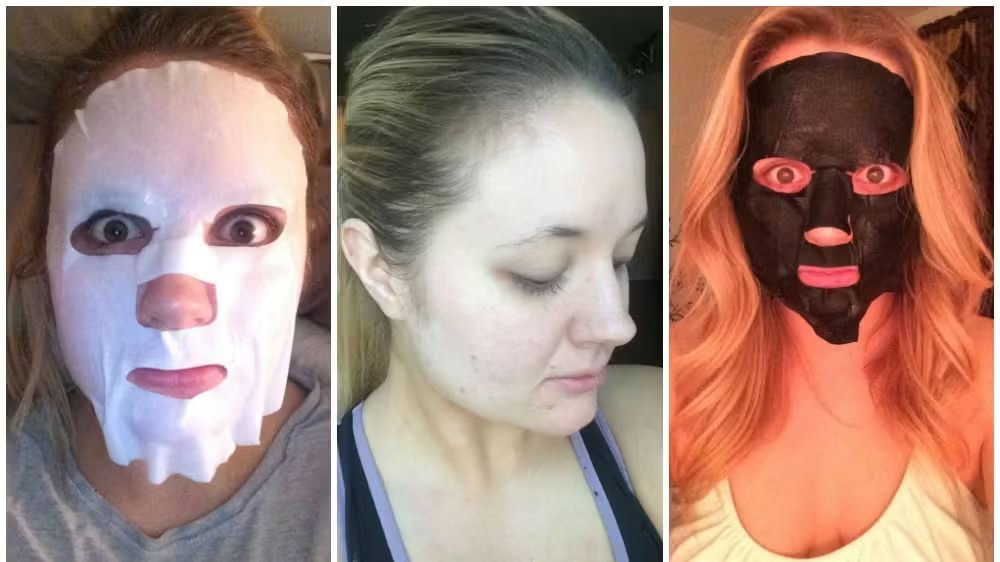
It’s easy to get carried away with masks, but there are a few myths worth debunking. First, leaving a sheet mask on longer than the recommended time doesn’t provide additional benefits. In fact, once the mask starts to dry, it can draw moisture back out of your skin. Set a timer for the suggested duration—usually 15 to 30 minutes—and remove the mask once it feels cool and hydrated.
Another myth: you can reuse a sheet mask. Even if there’s extra serum in the pouch, the sheet itself harbors bacteria after use and shouldn’t be reapplied. Instead, squeeze out the leftover serum and apply it to your neck, chest or hands. Also beware of DIY concoctions using citrus juice or undiluted essential oils; these can disrupt your skin’s pH and cause irritation. Stick with professionally formulated products.
Finally, always patch test new masks, especially those with potent actives like retinoids or acids. Apply a small amount behind your ear or on your wrist and wait 24 hours to check for reactions. If you have allergies to mollusks or shellfish, be cautious with snail mucin products. And remember, more is not always better: two to three masks per week are sufficient for most mature skin types.
1. Sulwhasoo First Care Activating Mask

Why It’s Great for Mature Skin
Infused with Sulwhasoo’s iconic First Care Activating Serum, this mask delivers a concentrated dose of ginseng and herbal extracts. Ginseng supports firmness and collagen production, while licorice root and peony brighten dull complexions. The sheet is drenched in a silky essence that absorbs quickly, making it ideal for nights when you want spa-level results at home.
Application Tips
After double cleansing and toning, unfold the mask and apply it to your face. Leave it on for 20 minutes while you relax. Once removed, tap any remaining essence into your skin and follow with your moisturizer. During the day, layer on your Best Tinted Moisturizers for Mature Skin to protect your newly hydrated skin from UV damage.

Pros & Cons
- Deeply hydrating and firming
- Herbal scent is calming
- Leaves skin radiant and plump
- High price point
- Mask can slip if not lying down
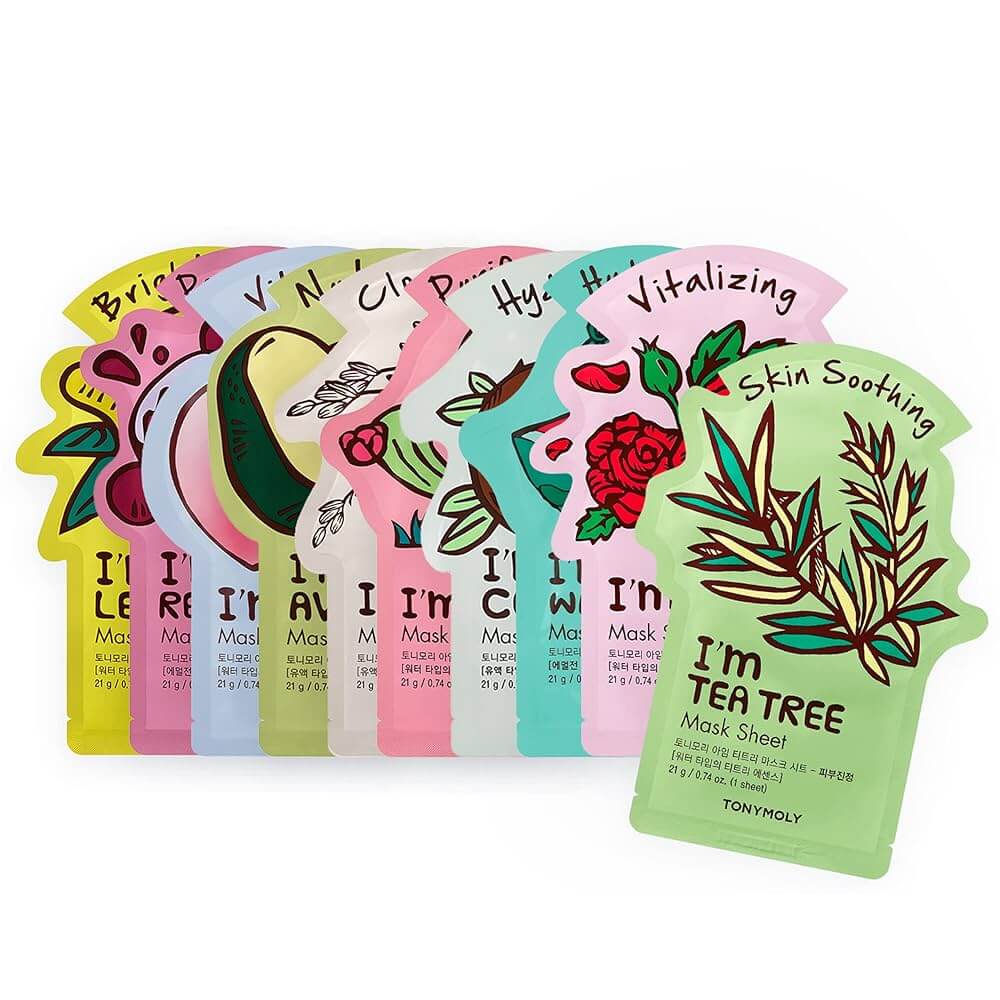
2. Tonymoly I’m Real Sheet Mask Variety Pack
Why It’s Great for Mature Skin
This budget-friendly pack offers a variety of masks infused with ingredients like lavender, aloe and green tea. Each sheet features humectants like glycerin and soothing allantoin. Whether you need brightening, calming or extra moisture, there’s a mask for every concern, making it a versatile option for newcomers to Korean skincare.
Application Tips
Store the pack in the refrigerator for an extra cooling effect. After cleansing, apply the mask of your choice for 20 minutes. Squeeze excess serum from the packet and apply it to your neck and décolletage. To lock in hydration, lightly dust powder using the Best Setting Powders for Mature Skin if you plan to apply makeup afterward.

Pros & Cons
- Affordable
- Variety of formulas
- Hydrating glycerin and soothing allantoin
- Mask shape may not fit all faces
- Fragrance may be strong
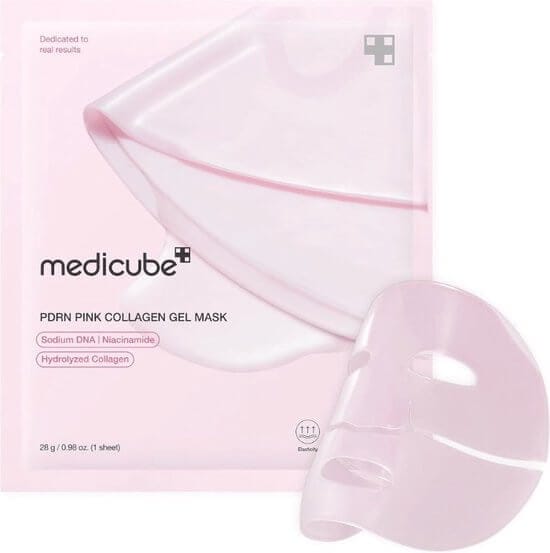
3. Medicube PDRN Pink Collagen Jelly Gel Mask
Why It’s Great for Mature Skin
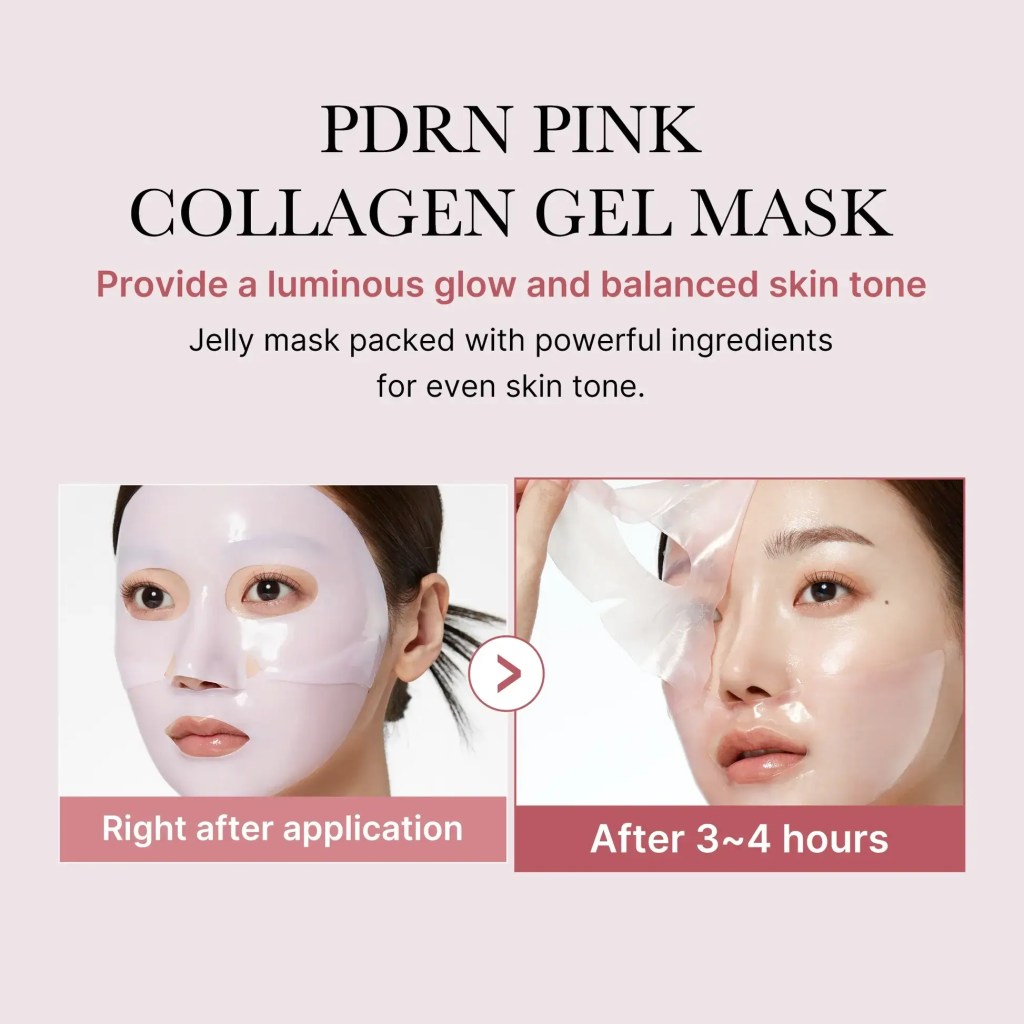
This jelly mask combines salmon DNA (PDRN) with hydrolyzed collagen and niacinamide to plump and firm the skin. Studies suggest that PDRN helps improve skin elasticity and regeneration, making this mask ideal for mature complexions. Niacinamide brightens and smooths texture, while hydrolyzed collagen delivers deep hydration.
Application Tips
Use this as an overnight mask. Apply the jelly evenly over your face as the final step in your evening routine. The gel texture forms a protective layer that locks in moisture. In the morning, rinse off any residue and continue with your routine. This mask pairs beautifully with the Best Foundation Brushes and Sponges for Mature Skin (Top 5 in 2025) for flawless makeup application.
Pros & Cons
- Plumps and improves elasticity
- Great for overnight use
- Brightens with niacinamide
- Sticky texture
- Contains fragrance
4. Biodance Bio-Collagen Real Deep Mask

Why It’s Great for Mature Skin
This hydrogel mask contains galactomyces ferment filtrate, niacinamide and hyaluronic acid. These ingredients refine pores, brighten, and intensely hydrate. The hydrogel format adheres snugly to the face, ensuring maximum absorption.
Application Tips
Apply the mask for 20–30 minutes, then remove and pat remaining serum into your skin. Follow up with a barrier cream if needed. To maintain the refined, poreless look, use a Top BB & CC Creams for Mature Skin for a light, dewy finish.

Pros & Cons
- Minimizes pores
- Contains niacinamide and hyaluronic acid
- Hydrogel texture feels cooling
- Slightly pricey
- Limited availability
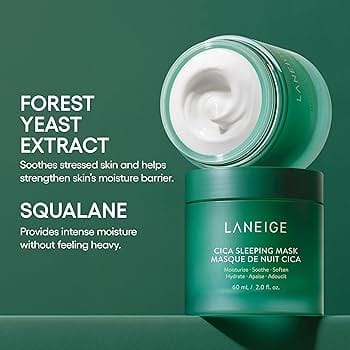
5. Laneige Hypoallergenic Cica Sleeping Mask
Why It’s Great for Mature Skin
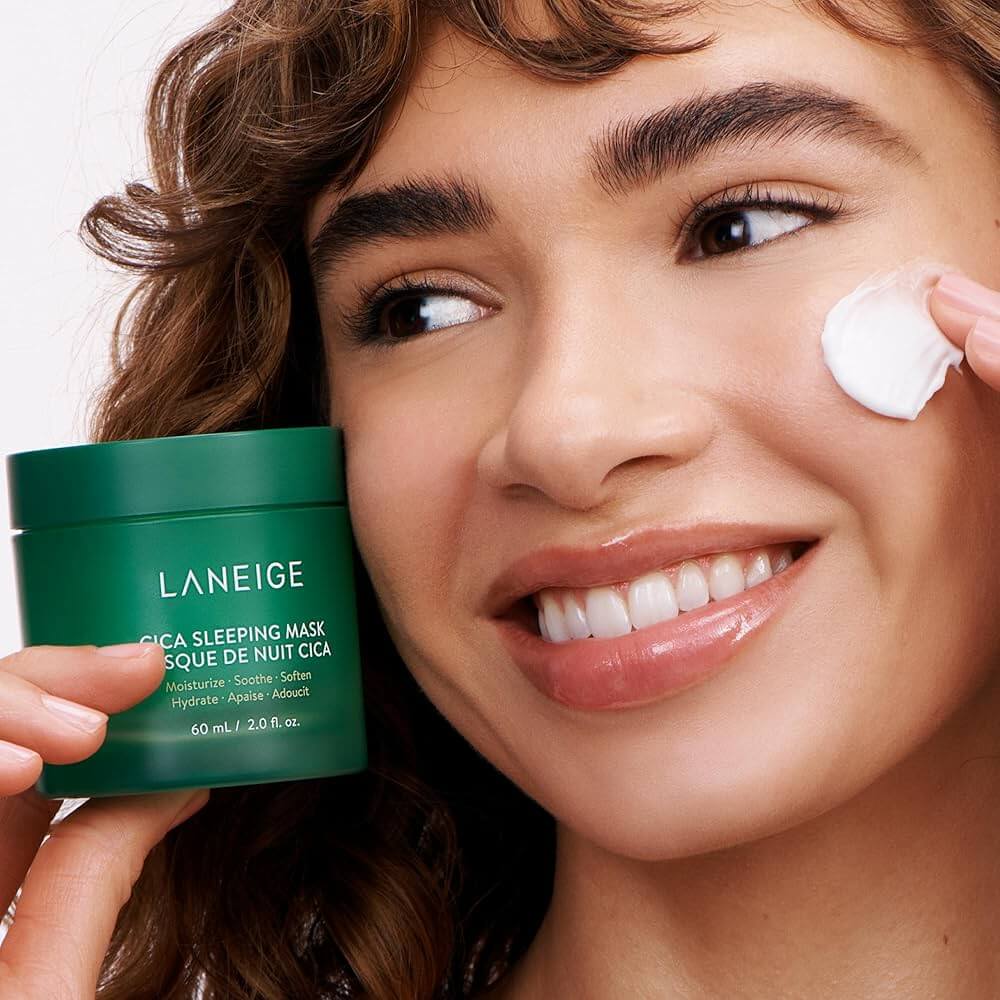
If your skin is easily irritated or redness-prone, this sleeping mask is a lifesaver. It features fermented forest yeast extract, glycerin and tea tree leaf oil. The fermented yeast strengthens your skin barrier, glycerin hydrates, and tea tree soothes inflammation. Whenever my skin feels compromised, I reach for this mask to calm and repair.
Application Tips
Apply a generous layer after your evening skincare routine. Because it’s fragrance-free and hypoallergenic, it’s gentle enough to use several times per week. I like to pair it with a hydrating serum and let it work its magic overnight. The next morning, follow with a Best foundation for mature skin to show off your calmed, renewed complexion.
Pros & Cons
- Calms redness and irritation
- Strengthens skin barrier
- Fragrance-free and hypoallergenic
- May be too gentle for intense anti-aging
- Pricey for a sleeping mask
6. COSRX Advanced Snail Hydrogel Mask

Why It’s Great for Mature Skin
This two-piece hydrogel mask is a snail mucin lover’s dream. It’s loaded with hyaluronic acid, peptides, and growth factors. The hydrogel material adheres well to the face, ensuring the essence penetrates deeply. After use, skin looks plump and dewy.
Application Tips
Place the two halves of the mask onto your face and relax for 20 minutes. Because hydrogel adheres tightly, you can even do light chores while masking. After removal, pat the remaining essence into your skin and follow with a light moisturizer or Best Concealers for Mature Skin 2025 for coverage.

Pros & Cons
- Deeply hydrating and regenerative
- Smooths fine lines
- Lightweight, non-greasy texture
- May feel a bit slimy
- Not travel-friendly due to packaging
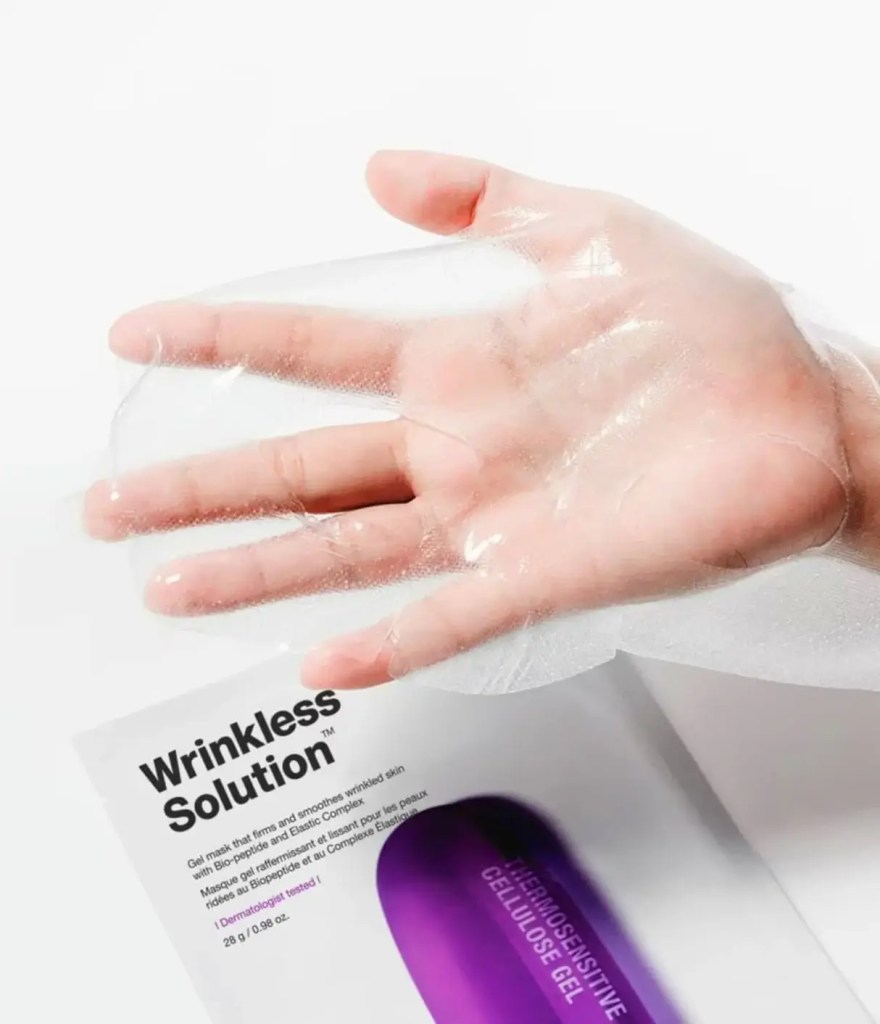
7. Dr. Jart+ Dermask Intra Jet Wrinkless Solution

Why It’s Great for Mature Skin
This mask is perfect for days when you need an instant lift. It floods the skin with peptides and glycerin, providing hydration and a smoothing effect. I often use it before events because it temporarily minimizes the appearance of fine lines and gives my face a firm, youthful look.
Application Tips
Apply the sheet for about 30 minutes, focusing on relaxing your facial muscles. The peptides work quickly, so you’ll see plumped, supple skin right away. Follow up with your makeup routine and finish with a Best Blush and Bronzer for Mature Skin 2025 for a natural flush.
Pros & Cons
- Provides an instant firming effect
- Great before events
- Peptides help smooth lines
- Single-use sheet—expensive per use
- Mask shape may not fit everyone perfectly
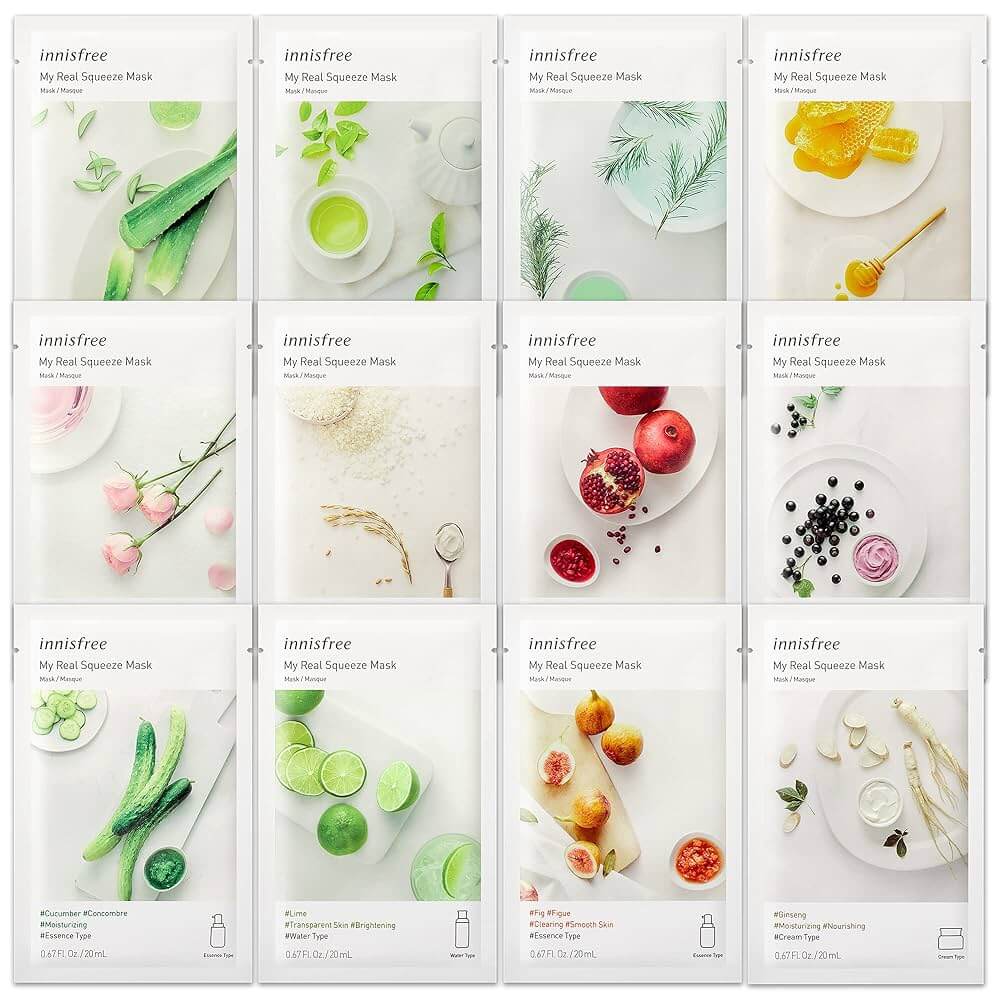
8. Innisfree My Real Squeeze Mask (Ginseng & Green Tea)
Why It’s Great for Mature Skin
This budget-friendly option uses ginseng and green tea extracts to nourish and revitalize. Ginseng brightens and firms, while green tea adds antioxidants to protect the skin. Whenever my skin looks tired and dull, this mask brings it back to life without breaking the bank.
Application Tips
Use once or twice a week as a quick pick-me-up. After the mask, layer on a Top BB & CC Creams for Mature Skin to maintain the glow and protect your newly hydrated skin from daily stressors.

Pros & Cons
- Affordable
- Combines ginseng and green tea
- Lightweight serum absorbs quickly
- Scent may be strong for some
- Results are more subtle than luxury masks
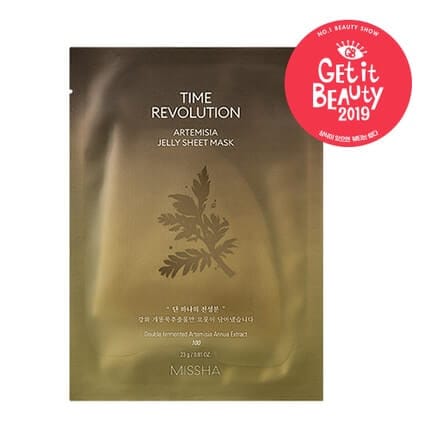
9. Missha Time Revolution Artemisia Jelly Sheet Mask
Why It’s Great for Mature Skin
This jelly mask harnesses the power of Artemisia annua (mugwort), an herb known for its anti-inflammatory and healing properties. The jelly texture holds a generous amount of essence and delivers a soothing, cooling sensation as it calms redness. Artemisia is especially beneficial for sensitive or acne-prone mature skin, helping to balance sebum while relieving irritation.
Application Tips
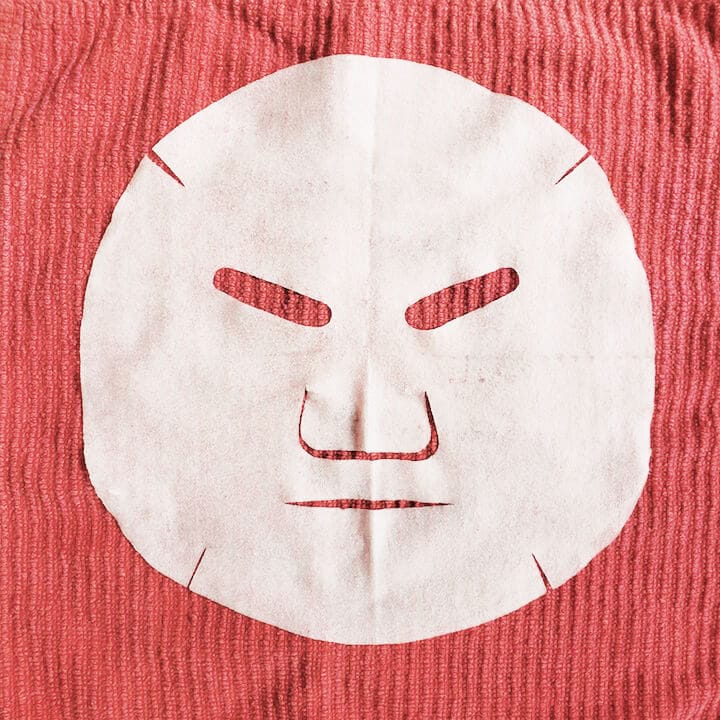
After cleansing and toning, apply the jelly mask for 15–20 minutes. Because the jelly clings closely to the skin, it’s easy to go about your evening routine while masking. Pat in any remaining essence and follow with your moisturizer. For extra glow, finish with a Best foundation for mature skin for daytime or a nourishing oil at night.
Pros & Cons
- Soothes irritated skin
- Jelly texture prevents dripping
- Balances sebum and calms redness
- Might be sticky for some
- Limited distribution outside Asia
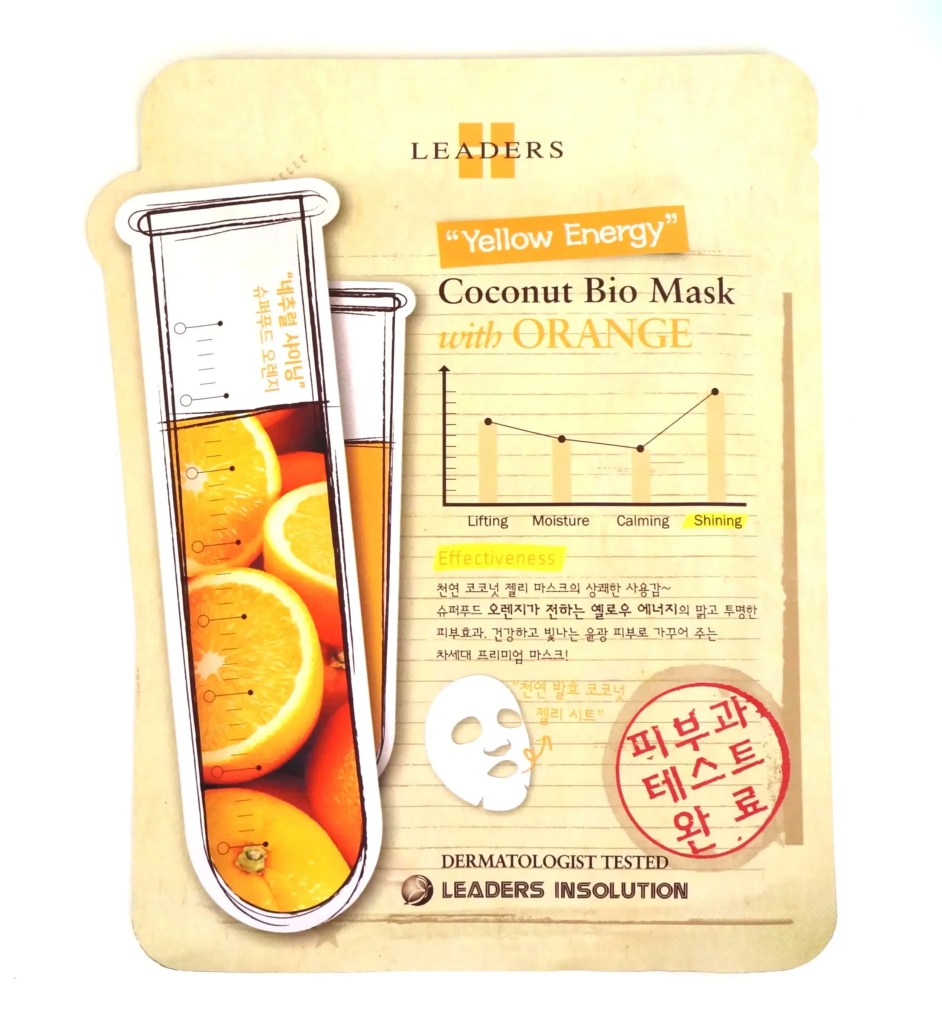
10. Leaders Insolution Coconut Bio Mask with Orange

Why It’s Great for Mature Skin
This mask uses coconut bio-cellulose to adhere snugly to every facial contour. It’s infused with orange extract rich in vitamin C and brightening antioxidants. The combination of coconut and citrus leaves skin hydrated and luminous. I reach for this mask when my complexion looks uneven or when I need an energizing pick-me-up.
Application Tips
Remove the mesh backing and apply the bio-cellulose sheet to clean skin for 20–25 minutes. After removing, massage the remaining serum into your face, neck and hands. Pair it with a citrus-toned blush from Best Blush and Bronzer for Mature Skin 2025 to enhance the fresh glow.
Pros & Cons
- Brightens with vitamin C
- Bio-cellulose adheres closely
- Refreshing scent
- More expensive than cotton masks
- May not fit larger face shapes
11. Banobagi Vita Genic Jelly Mask
Why It’s Great for Mature Skin
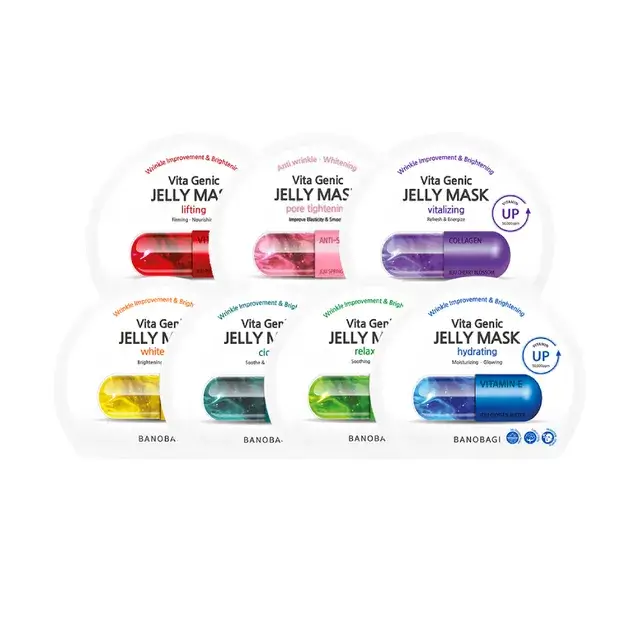
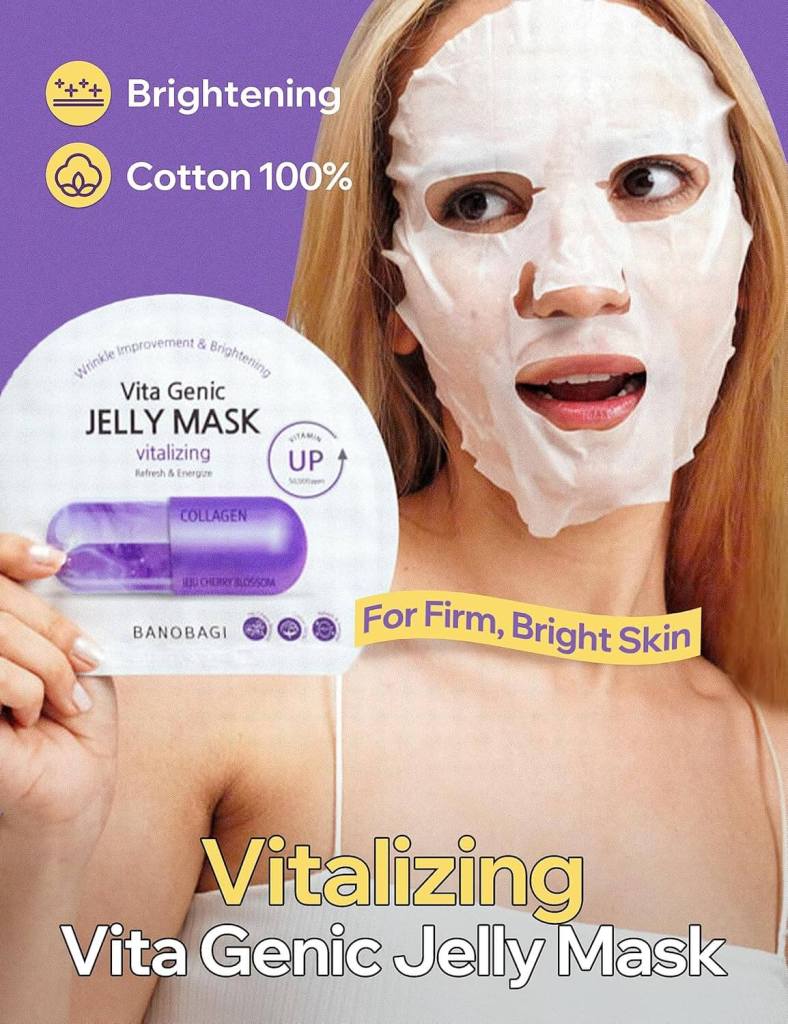
Available in multiple versions (hydrating, whitening, lifting), this jelly mask delivers vitamin-packed essence for a spa-like treatment. The hydrating version uses vitamin E and hyaluronic acid to plump; the whitening version features niacinamide and vitamin C to brighten; and the lifting version includes peptides and adenosine to firm. The jelly texture allows the essence to stay on the skin longer, ensuring maximal absorption.
Application Tips
Choose the version that matches your current skin needs. Apply for 15–20 minutes after cleansing and toning. Pat in the remaining essence and seal with a light moisturizer. I often use the lifting version before events and follow up with my Top 7 Foundations that Don’t Settle into Wrinkles – Top 2025 Picks to maintain the lifted look.
Pros & Cons
- Customizable based on needs
- Generous amount of essence
- Leaves skin plump and glowing
- Packaging can be messy
- Some versions are heavily scented
12. Holika Holika Pure Essence Mask

Why It’s Great for Mature Skin
Holika Holika offers a range of sheet masks targeted at specific concerns—cucumber for hydration, pearl for brightening, shea butter for nutrition and more. Each mask is infused with botanical extracts and delivers a lightweight serum. These masks are affordable and easy to find, making them perfect for everyday use.
Application Tips
Apply your chosen mask for 15 minutes after prepping your skin. Use the remaining essence on your hands and arms. To keep your skin supple under makeup, follow with products from Avoid Common Foundation Mistakes on Mature Skin to ensure your foundation doesn’t cake or settle.

Pros & Cons
- Affordable
- Wide variety of formulas
- Lightweight and non-sticky
- Results are temporary
- Masks can be fragile and tear easily
Comparison Table: Korean Face Masks for Mature Skin (2025)
| Product Name | Price (approx.) | Key Ingredients | Finish | Best For | Skincare Benefits |
|---|---|---|---|---|---|
| Sulwhasoo First Care Activating Mask | $60 | Ginseng, herbal extracts | Dewy | Dry or dull skin | Firming, brightening, hydration |
| Tonymoly I’m Real Sheet Mask | $20 (pack) | Glycerin, allantoin | Dewy | Dry, combination | Hydration, soothing, variety |
| Medicube PDRN Pink Collagen Jelly Gel Mask | $20 | PDRN, hydrolyzed collagen, niacinamide | Slight sheen | Loss of elasticity | Plumping, overnight hydration |
| Biodance Bio-Collagen Real Deep Mask | $19 | Galactomyces ferment, niacinamide, hyaluronic acid | Dewy | Enlarged pores, rough texture | Pore refinement, brightening |
| Laneige Hypoallergenic Cica Sleeping Mask | $34 | Fermented yeast extract, glycerin, tea tree | Dewy | Sensitive or irritated skin | Barrier strengthening, calming |
| COSRX Advanced Snail Hydrogel Mask | $20 | Snail mucin | Dewy | Dry, aging skin | Hydration, regenerative |
| Dr. Jart+ Dermask Intra Jet Wrinkless Solution | $10 | Peptides, glycerin | Dewy | Pre-event plumping | Smoothing, firming |
| Innisfree My Real Squeeze Mask | $2 | Ginseng, green tea | Dewy | Budget shoppers | Brightening, antioxidant protection |
| Missha Time Revolution Artemisia Jelly Mask | $4 | Artemisia (mugwort) | Jelly finish | Sensitive or acne-prone skin | Soothing, balancing |
| Leaders Insolution Coconut Bio Mask with Orange | $6 | Vitamin C, coconut bio-cellulose | Dewy | Dull, uneven tone | Brightening, hydration |
| Banobagi Vita Genic Jelly Mask | $3 | Hyaluronic acid, peptides, vitamins | Jelly finish | Customizable concerns | Hydration, lifting, brightening |
| Holika Holika Pure Essence Mask | $23 (12pack) | Various botanicals | Dewy | Daily use | Hydration, brightening |
Additional Masking Tips and Tricks
Layering masks isn’t just about frequency; it’s also about synergy. For example, after an exfoliating enzyme mask, follow up with a deeply hydrating mask to replenish lost moisture. Or use a calming cica mask after a stimulating ginseng mask to balance the effects. Adjust the order based on your needs—always go from treatment to hydration to sealant.
Focus on areas that need the most attention. My cheeks get dry faster than my T-zone, so I often apply a hydrating mask to the lower half of my face and a clarifying mask on my nose and chin. This targeted approach, called multi-masking, allows you to address multiple concerns in one session. Pair this technique with the right tools from Best Foundation Brushes and Sponges for Mature Skin (Top 5 in 2025) to minimize waste and ensure even application.
Keep a masking journal. Note the date, type of mask used, how your skin felt, and any reactions. Over time, you’ll see patterns and learn which ingredients or textures your skin loves. I discovered that snail mucin masks work best for me in winter, while lightweight hydrogel masks are more effective in summer. Journaling also helps prevent over-masking—a common mistake that can lead to irritation.

Join the GlowOver50 Newsletter ✨
Stay in the loop with my latest makeup tips, skincare secrets, and honest product reviews — all tailored for women over 50. Subscribe today and keep that gorgeous glow going!
Frequently Asked Questions
How often should I use Korean face masks?
For hydrating sheet or hydrogel masks, two to three times per week is ideal for most mature skin types. Overnight masks or sleeping packs should be used once or twice a week, while clay or detox masks should be limited to once every 10 days to avoid over-drying. Adjust frequency based on your skin’s response—if you notice irritation, scale back.
Can I apply makeup right after masking?
Yes! After removing a mask, gently pat the remaining serum into your skin, then follow with your usual skincare and makeup. Wait a few minutes for the essence to absorb fully before layering products. Using a primer from our 5 Best Primers for Mature Skin in 2025 roundup can help makeup glide on smoothly and last longer.
Is snail mucin safe for all skin types?
Snail mucin is generally well-tolerated and suitable for most skin types. However, if you have a mollusk allergy or extremely sensitive skin, perform a patch test before using. The mucin contains hydrating and regenerative compounds, but every skin reacts differently.
Are ginseng masks better for morning or evening use?
Ginseng masks can be used at any time of day. They are invigorating and brightening, making them a great pick-me-up before events or when your skin looks tired. At night, the antioxidants work in tandem with your skin’s repair processes. I personally love using ginseng masks in the afternoon for a radiant boost before dinner out.
What ingredients should I avoid in masks for mature skin?
Avoid masks with high concentrations of denatured alcohol, synthetic fragrance or harsh astringents, as these can strip mature skin and trigger irritation. Instead, look for hydrating and soothing ingredients like glycerin, hyaluronic acid, ceramides, peptides and fermented extracts.
Should I refrigerate my masks?
Refrigerating masks is optional but can enhance the experience. Storing sheet or hydrogel masks in the fridge provides a cooling effect that helps constrict blood vessels and reduce puffiness. However, avoid freezing masks, as extreme cold can damage the essence and compromise the mask’s integrity.
Can I reuse leftover mask serum?
You can use the leftover serum in the packet on your neck, chest, hands or even elbows and knees. However, don’t reuse the sheet itself. Once it has been on your face, it may harbor bacteria.
What’s the difference between sheet, hydrogel and jelly masks?
Sheet masks are made of cotton or microfiber and hold a watery or creamy essence. Hydrogel masks are made of gel material that adheres closely and locks in hydration. Jelly masks use a thicker, gel-like texture that delivers a concentrated dose of serum. Choose based on your needs—sheet masks for everyday hydration, hydrogel for a luxurious treat and jelly for intensive nourishment.
How do I know if a mask has expired?
Check the packaging for a manufacturing or expiration date (often labeled ‘MFG’ and ‘EXP’). Masks typically last two to three years unopened, but once opened, use them within a few months. If the essence smells off, has changed color or texture, or the sheet feels dry, discard it. Using expired masks can lead to irritation or infection.
Can I use masks if I have rosacea or eczema?
It depends on the mask’s ingredients. Avoid those with exfoliating acids or strong fragrances. Look for masks with ceramides, centella asiatica, colloidal oatmeal or panthenol to soothe and strengthen the skin. Always patch test on a small area before applying to your entire face.
Mask Ingredients Deep Dive
Hyaluronic Acid and Glycerin
Hyaluronic acid and glycerin are two of the most effective humectants in skincare. Hyaluronic acid is capable of holding up to 1,000 times its weight in water, delivering intense hydration and plumping fine lines. It occurs naturally in the skin but diminishes with age, so replenishing it through masks helps maintain elasticity. Glycerin, meanwhile, attracts moisture from the environment and the deeper layers of your skin, smoothing roughness and preventing transepidermal water loss. When combined, these ingredients create a cushion of hydration that leaves mature skin soft, supple and radiant.
Niacinamide and Vitamin C
Niacinamide (vitamin B3) and vitamin C are powerhouse antioxidants that address multiple signs of aging. Niacinamide strengthens the skin’s barrier, reduces redness and minimizes pore appearance. It also helps regulate oil production, making it suitable for combination skin. Vitamin C brightens and evens out skin tone by inhibiting excess melanin production and neutralizing free radicals. Masks containing these vitamins can fade dark spots, reduce sallowness and boost radiance. Be sure to store vitamin C masks in a cool, dark place to preserve potency.
Collagen and Elastin
Collagen and elastin are structural proteins responsible for skin’s firmness and elasticity. While topical collagen doesn’t penetrate deeply enough to replace lost collagen, hydrolyzed collagen can help attract moisture and improve skin texture. Elastin maintains skin’s bounce, and peptides can signal your skin to produce more of these proteins. Masks formulated with collagen, elastin and peptides can temporarily improve plumpness and over time encourage the skin to rebuild its supportive matrix.
Botanical Extracts and Antioxidants
Korean masks often feature botanical extracts like centella asiatica, chamomile, green tea and licorice. These plants are rich in antioxidants that protect against free radicals and soothe inflammation. Centella asiatica, also known as cica, is prized for its ability to heal and calm irritated skin. Green tea delivers potent polyphenols, chamomile reduces redness and licorice root brightens discoloration. Incorporating masks with these botanicals can provide gentle, holistic care for mature skin.
DIY vs. Store-Bought Masks
Making your own masks at home can be fun and cost-effective. Ingredients like honey, yogurt, oatmeal and mashed fruits contain natural enzymes and antioxidants that nourish the skin. Honey is a humectant and antimicrobial, yogurt contains lactic acid to gently exfoliate, oats soothe irritation and bananas provide vitamins and minerals. When crafting DIY masks, always use ripe, fresh ingredients and mix them with sterile tools to avoid contamination. Patch test your blend on a small area before applying it to your face.
However, DIY masks come with limitations. Because they lack preservatives and stabilizers, they can spoil quickly and harbor bacteria. They also can’t deliver the same concentrations of active ingredients found in store-bought masks. Professionally formulated masks combine scientifically proven ingredients in precise amounts, ensuring safety, efficacy and stability. They undergo testing to minimize irritation and often include synergistic blends—like snail mucin with peptides or ginseng with niacinamide—that would be difficult to replicate at home.
I like to think of DIY masks as a supplementary treat rather than a replacement for commercial formulas. They’re great for a self-care session on a lazy Sunday but not a substitute for targeted treatments. If you’re new to masking, start with store-bought options to experience the full benefits, then experiment with DIY recipes once you understand how your skin reacts to certain ingredients.
The History of K-Beauty Masks
Sheet masks have become a global phenomenon, but their origins lie in South Korea’s innovative beauty industry. Early K-beauty pioneers in the late 20th century began experimenting with lightweight cotton sheets soaked in hydrating essence as a way to deliver concentrated nutrients to the skin. Unlike thick cream masks prevalent in Western skincare, these sheet masks were convenient, hygienic and required no rinsing. They gained popularity in Korea for providing quick results and a spa-like experience at home. By the early 2000s, K-beauty brands were exporting sheet masks across Asia, and soon the trend spread to Europe and North America.
The appeal of sheet masks lies in their versatility and innovation. Over the years, manufacturers have developed new materials—hydrogel, biocellulose and jelly sheets—that adhere better to the skin and minimize evaporation. They have also infused masks with a variety of active ingredients, from traditional herbs like ginseng to cutting-edge technologies like peptides and growth factors. Today, K-beauty masks are a symbol of self-care and are used by people of all ages around the world. Understanding their history helps us appreciate the thought and craftsmanship that goes into each mask we apply.
Where Masks Fit in the Multi-Step Korean Skincare Routine
The multi-step Korean skincare routine is famous for its thoroughness and customization. While you don’t need to follow all ten steps daily, understanding the order can help you maximize your products. The typical routine starts with an oil cleanser and water-based cleanser to remove makeup and impurities. Next comes exfoliation, followed by toner and essence to hydrate and prep the skin. This is where sheet masks enter: they provide a concentrated treatment that delivers active ingredients deep into the dermis. After masking, you can apply serums, ampoules and moisturizers, then finish with sunscreen during the day or a sleeping pack at night.
Masks serve as a bridge between lighter and heavier products. They allow your skin to absorb ingredients like snail mucin, peptides or ginseng without interference from thicker creams. When used consistently—two to three times a week—their cumulative effects can be significant: brighter, firmer and more hydrated skin. If you’re overwhelmed by the idea of a multi-step routine, start by adding just one or two masks per week after your toner or essence and gradually build from there.
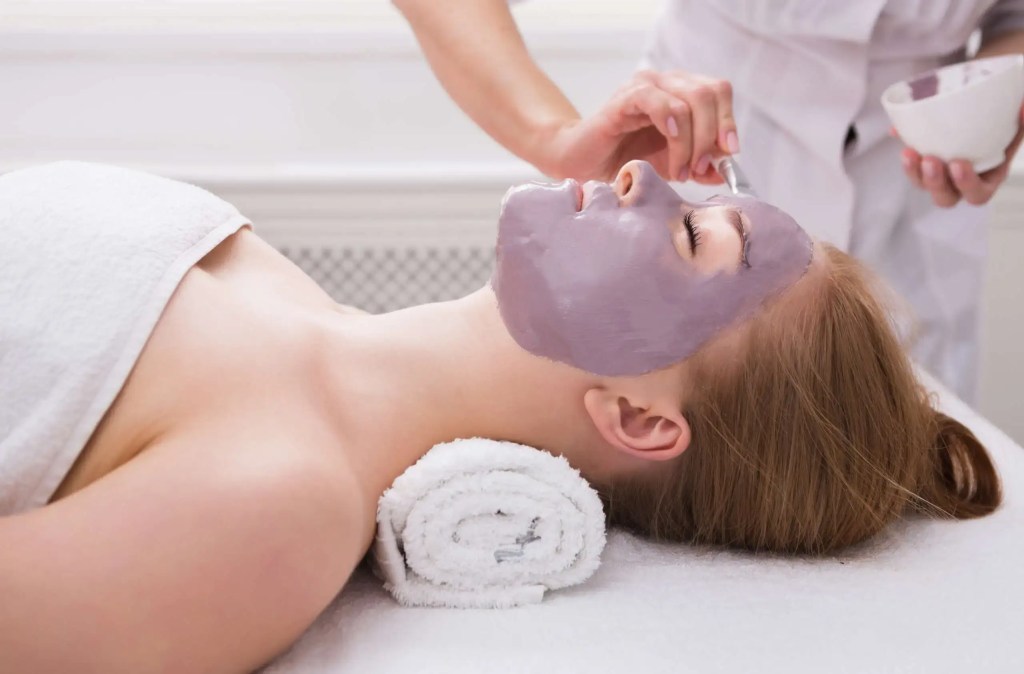
K-beauty masks are more than skincare; they’re a celebration of self-care and innovation. From their roots in South Korea to your vanity, these masks represent a commitment to taking time for yourself and investing in healthy, glowing skin.
Conclusion: A Radiant Future Ahead
Korean face masks have become a cornerstone of my skincare routine because they offer solutions tailored to the unique challenges of mature skin. By understanding the science behind ingredients like snail mucin, ginseng, peptides and fermented extracts, you can select masks that provide hydration, firming and brightening where you need it most. Masking is not just about indulgence; it’s about giving your skin the nourishment and care it deserves.
Remember to prepare your skin properly, choose masks suited to your concerns and integrate them thoughtfully into your routine. Combine your masks with a healthy lifestyle, a balanced diet and consistent sunscreen use to maximize your results. And don’t forget to explore our other guides—How to Apply Setting Powder for Mature Skin in 2025, Avoid Common Foundation Mistakes on Mature Skin and 5 Best Drugstore Foundations for Mature Skin in 2025—for tips that complement your masking routine.
Ultimately, the best mask is the one you enjoy using consistently. Whether you’re pampering yourself after a long week or prepping for a special event, take the time to slow down, listen to your skin and savor the ritual. With patience and care, your mature skin can look and feel radiant for years to come.