
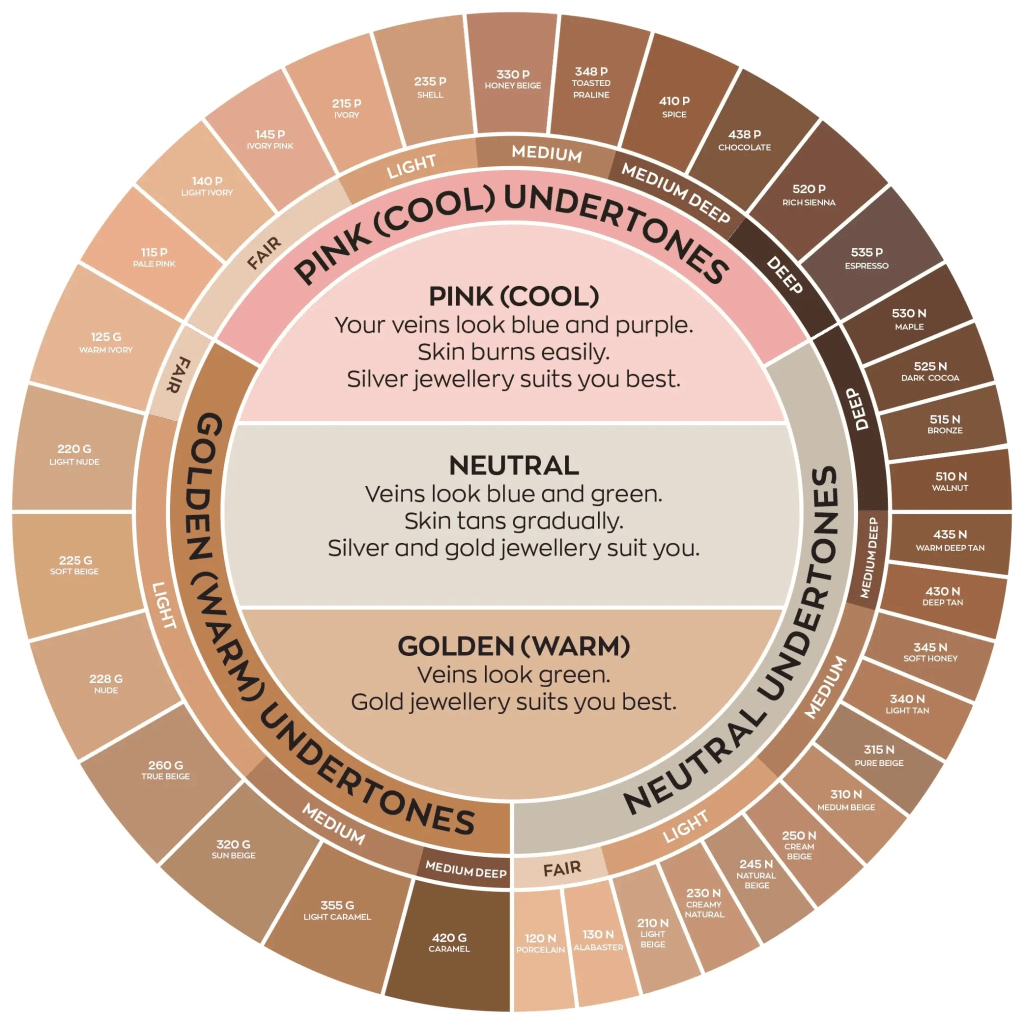
Foundation is the backbone of any makeup look, but for mature skin, it can be tricky to get right. From emphasizing fine lines to settling into wrinkles, certain mistakes can leave your skin looking less radiant. The good news? These common foundation mistakes are easy to fix with the right techniques and products. In this full guide, we’ll show you how to avoid common foundation mistakes on mature skin in 2025 to achieve a smooth, youthful finish. How to Choose the Right Foundation for Different Skin Tones and Textures
Table of Contents

Guide Overview
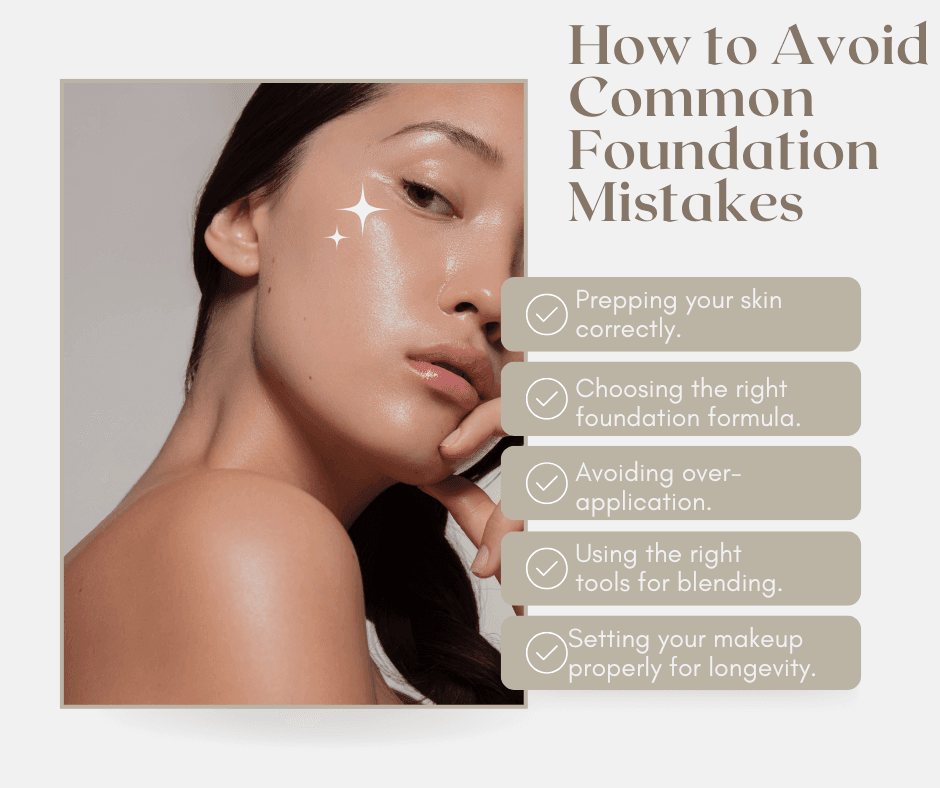
This guide focuses on common foundation mistakes on mature skin that can prevent you from achieving a flawless finish, including:
- Prepping your skin correctly.
- Choosing the right foundation formula.
- Avoiding over-application.
- Using the right tools for blending.
- Setting your makeup properly for longevity.
If you’re just getting started, be sure to check out our step-by-step guide to prepping mature skin for foundation to create the perfect base for your makeup. If you’re getting creasing/pilling, it’s usually an order issue — this exact makeup layering routine fixes that fast.
1. Skipping Proper Skin Prep
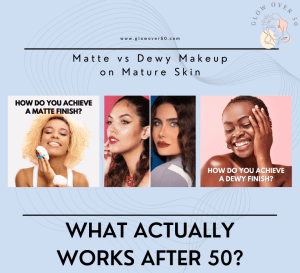
One of the most common mistakes is not prepping your skin before applying foundation. Hydration and a smooth base are key to preventing foundation from settling into fine lines finish matters too, especially on mature texture, so I’d also read my matte vs dewy makeup on mature skin guide. But just as important is what you apply it with—using the wrong tool can leave streaks, patchiness, or cling to texture. I break down the best foundation brushes and sponges for mature skin so your makeup goes on smooth, seamless, and glow-worthy.
How to Fix It:
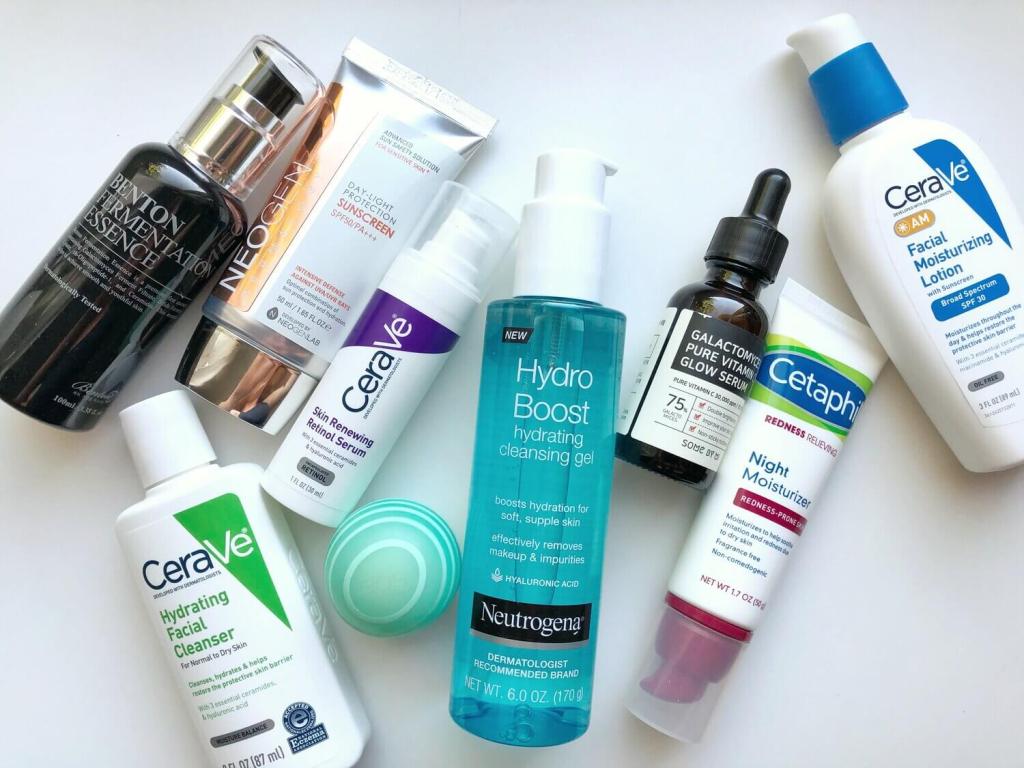
- Start with a gentle cleanser to remove any impurities.
- Apply a hydrating moisturizer with ingredients like hyaluronic acid or ceramides to plump the skin.
- Use a primer designed for mature skin to blur fine lines and create a smooth surface.
Discover our 5 Best Primers for Mature Skin in 2025 for products that enhance makeup application. Treat yourself to a hydrating sheet mask the night before a big day. My favourite Korean masks for mature skin plump out fine lines and make foundation go on like a dream

2. Choosing the Wrong Foundation Formula
Using a foundation that doesn’t match your skin type or needs can lead to uneven texture, dryness, or a cakey finish. This gets worse in winter—here’s my full winter makeup guide: Best Winter Makeup for Mature Skin.
How to Fix It:
- Opt for hydrating or luminous formulas if you have dry or mature skin.
- Avoid overly matte foundations, which can emphasize wrinkles and make your skin look flat.
- Look for foundations with skincare benefits like SPF, peptides, or antioxidants.
Want to explore more foundation options? Check out these helpful guides:
– 25 Expert Tips for a Flawless, Ageless Look
– Best Foundations for Mature Skin (my full guide)
– Top Foundations That Don’t Settle Into Wrinkles
– 5 Best Drugstore Foundations for Mature Skin
– Luxury Foundations Worth the Splurge (Over 50 Edition)

3. Over-Applying Foundation
Applying too much foundation is a frequent issue when it comes to common foundation mistakes on mature skin. Heavy layers can make wrinkles more noticeable and create a cakey finish.
How to Fix It:
- Use a light hand and build coverage gradually.
- Apply foundation in thin layers, focusing only on areas that need more coverage.
- Use a damp sponge or stippling brush for a natural, blended finish.
Learn more about blending techniques from Allure’s guide to natural foundation application.
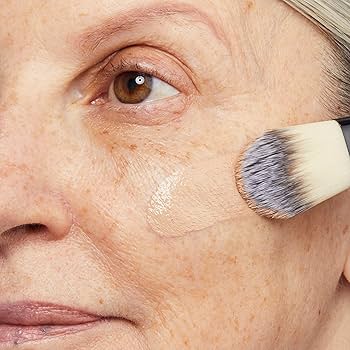
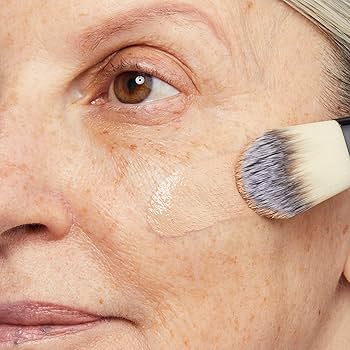
4. Using the Wrong Tools
The tools you use to apply foundation can make a big difference in the finish, especially on textured or mature skin.
How to Fix It:
- Use a damp beauty sponge for a seamless, airbrushed effect.
- Opt for a soft, high-quality brush to buff foundation into the skin.
- Avoid using fingers alone, as it may leave streaks or uneven patches.


5. Skipping Setting or Using the Wrong Powder
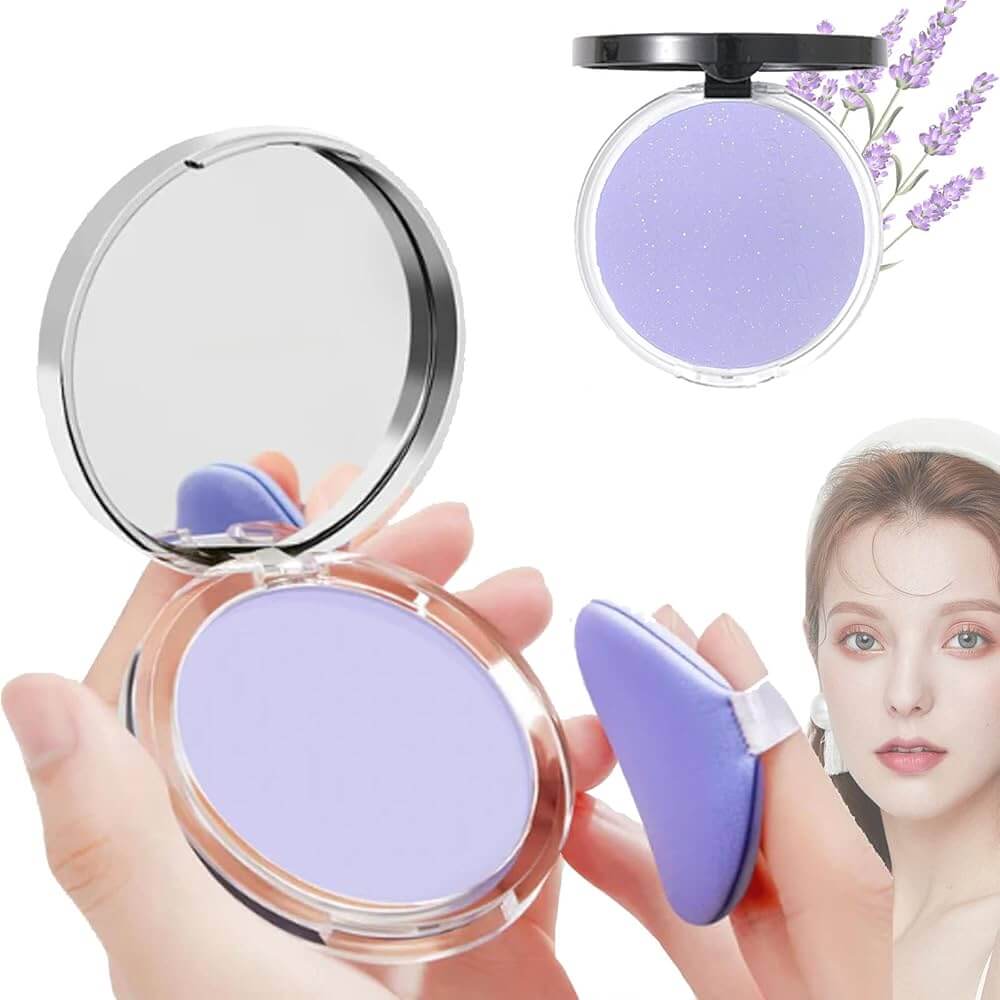
Failing to set your foundation—or using a heavy powder—can lead to creasing or an unnatural finish on mature skin. How to Apply Setting Powder
How to Fix It:
- Use a lightweight, finely milled translucent powder to set areas prone to creasing (e.g., under eyes).
- Avoid heavy baking techniques that can emphasize texture.
- Consider a setting spray for a radiant, long-lasting finish.
Pair your foundation with one of our Best Primers for Mature Skin in 2025 for even better results.

Join the GlowOver50 Newsletter ✨
Stay in the loop with my latest makeup tips, skincare secrets, and honest product reviews — all tailored for women over 50. Subscribe today and keep that gorgeous glow going!
FAQ
Q: Can I skip primer if I prep my skin well?
A: While skin prep is crucial, primer can provide added benefits like blurring fine lines and extending foundation wear. Check out our primer recommendations for mature skin.
Q: How do I choose the right foundation shade?
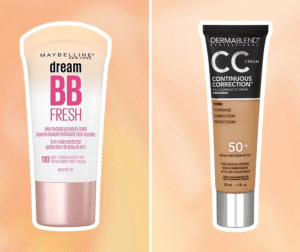
A: Always test foundation on your jawline in natural light and let it sit for a few minutes to see how it blends with your skin tone. If you prefer a lighter option with skincare benefits, consider trying a tinted moisturizer. Explore our Best Tinted Moisturizers for Mature Skin for top recommendations.
Q: What’s the best way to touch up foundation during the day?
A: Use a lightweight setting powder and a damp sponge to reapply foundation where needed.
Q: Why does my foundation settle into fine lines even after using primer?
A: This is such a common issue, especially with mature skin. Even with primer, if your foundation is too matte or full-coverage, it can emphasize texture and settle into fine lines. Try using a hydrating or serum-infused foundation and apply it in thin layers. Press it into the skin with a damp sponge rather than dragging it across the surface—it makes a world of difference! That’s one reason I stopped relying on heavy coverage alone and started using this routine for covering redness and rosacea after 50 instead.
Q: Should I apply foundation all over my face or just where I need it?
A: Less is more with mature skin! I personally like to apply foundation only where I need coverage—usually the center of the face—and blend outward. This avoids a heavy or cakey look and lets your natural skin shine through. Spot-concealing works better than layering too much foundation. That targeted approach is exactly what I do in my guide to covering redness without looking cakey.
Q: How can I stop my foundation from looking cakey by midday?
A: Hydration is key. If your skin isn’t properly moisturized before makeup, foundation can dry out and look cakey over time. I always prep with a lightweight, nourishing moisturizer, then use a hydrating primer. During the day, instead of reapplying foundation, I mist my face with a hydrating spray or gently pat a bit of moisturizer over dry areas with clean fingers—it refreshes the look without buildup. If it looks broken apart rather than just dry, read my guide on how to stop foundation separating on mature skin.
What’s next?
Learning how to fix common foundation mistakes on mature skin will transform your makeup routine. Start by exploring these resources:
- Best Foundations for Mature Skin: Discover top-rated foundations tailored for aging skin, offering hydration, coverage, and a radiant finish.
- Best Drugstore Foundations for Mature Skin: Affordable options that deliver professional-quality results without breaking the bank.
- Best Tinted Moisturizers for Mature Skin: Light coverage alternatives with added skincare benefits like hydration and SPF.
- Learn how to create the perfect canvas with our guide to prepping mature skin for foundation.
Avoiding these mistakes will elevate your foundation game, leaving you with a flawless, youthful look that lasts all day.