
Removing makeup should leave mature skin comfortable, not squeaky, tight or pink from rubbing. I compared seven balms, oils, micellar waters, eye removers and cream cleansers for their ability to loosen long-wear makeup while respecting dryness, sensitivity and the delicate eye area. These are the options I would choose for different routines, from a full face and waterproof mascara to a light tinted-moisturizer day.
My best overall pick is Clinique Take The Day Off Cleansing Balm because it combines excellent slip, an easy-to-control balm texture and a fragrance-free formula that can handle face, eye and sunscreen removal. DHC is my preferred fluid oil; Bioderma is the gentlest controlled option for light makeup and reactive-feeling skin; Lancôme is the specialist I would reserve for stubborn waterproof eye makeup. The three lower-cost picks make it possible to build a sensible removal routine without paying prestige prices at every step.
This ranking is the buying companion to my complete guide on how to remove makeup from mature skin. That tutorial explains the technique in detail; this page answers the next question: which remover should I buy for the makeup I actually wear?
Table of Contents
My quick verdict
- Best overall: Clinique Take The Day Off Cleansing Balm for a full face, sunscreen and long-wear makeup.
- Best cleansing oil: DHC Deep Cleansing Oil for quick spread, strong dissolving power and a clean rinse.
- Best micellar water for sensitive skin: Bioderma Sensibio H2O for controlled, low-mess removal of light-to-moderate makeup.
- Best for waterproof eye makeup: Lancôme Bi-Facil for mascara and liner that resist ordinary cleansing.
- Best affordable cleansing balm: e.l.f. Holy Hydration! Makeup Melting Cleansing Balm.
- Best one-step cleanser for lighter makeup: CeraVe Hydrating Cream-to-Foam Cleanser.
- Best budget waterproof micellar remover: Garnier SkinActive All-in-1 Waterproof.
If you wear a full base, cream color, setting product and sunscreen, start with Clinique, DHC or e.l.f. If you usually wear only tinted moisturizer on mature skin, Bioderma or CeraVe may be enough. Waterproof mascara deserves its own plan: Lancôme gives the most targeted prestige experience, while Garnier is the budget alternative. No remover can compensate for scrubbing, so technique remains as important as formula.
How I chose the best makeup removers for mature skin
I did not pretend to perform a seven-product clinical trial or claim weeks of personal wear testing that did not happen. I compared current brand information, format, directions, ingredient disclosures, eye-area suitability, fragrance status, packaging, price tier and the practical demands of makeup after 50. I also separated a company’s stated claims from my own judgment. When I say a brand reports that a cleanser removes waterproof makeup or is fragrance free, I identify that as brand information rather than guaranteeing an identical result for every reader.
The products also had to be meaningfully different. A list of seven cleansing balms would not help someone who prefers a pump oil, needs a travel-friendly micellar water or only wants a second-step cleanser. The final group includes two balms, one oil, two micellar-style removers, one dedicated eye remover and one cream-to-foam cleanser. That variety matters because a remover should match the makeup load, not an arbitrary idea that one texture is universally best.
I gave extra weight to five mature-skin concerns:
- Slip without tugging: The formula should give fingers or a saturated pad time to move without dragging.
- A comfortable finish: Clean skin should not feel aggressively degreased, papery or tight.
- Efficient breakdown: Foundation, sunscreen, cream shadow, liner and mascara should loosen before repeated wiping becomes tempting.
- Eye-area practicality: Directions, texture and tolerance claims must make sense for the job.
- Value: I considered how much product a typical cleanse uses, not just the shelf price.
I also looked at the rest of a realistic GlowOver50 makeup routine. A wearer using foundation for mature skin, cream eyeshadow and a setting spray needs more dissolving power than someone wearing a little concealer and one of my favorite tinted lip balms. A fair ranking has to acknowledge both routines.
Best makeup removers for mature skin at a glance
Product | Best for | Texture | Price tier |
|---|---|---|---|
Best overall; full-face removal | Balm to oil to milk | Prestige | |
Fast spread and waterproof makeup | Fluid oil | Mid-range | |
Light makeup and sensitive-feeling skin | Water-light micellar | Mid-range | |
Waterproof mascara and liner | Bi-phase liquid | Prestige | |
Affordable full-face balm | Balm to oil to milk | Budget | |
Light makeup and one-step cleansing | Cream to soft foam | Drugstore | |
Budget waterproof removal | Bi-phase micellar | Budget |
The table is a starting point, not a command to buy seven bottles. Most readers need one dependable full-face remover and, only if necessary, one eye specialist. Someone who wears a softly layered base following my makeup layering routine may be happiest with a balm. Someone who wears waterproof mascara after 50 but very little face makeup may need only a bi-phase remover and a gentle everyday cleanser.
Why makeup removal can feel different after 50
Mature skin often produces less surface oil and may recover more slowly from over-cleansing, cold weather and friction. That does not mean skin becomes too fragile to cleanse. It means the method should do more of the work than your hands or washcloth. A slippery balm or oil can dissolve waxes and pigments; a fully saturated pad can hold remover against mascara; lukewarm water can rinse residue without the heat that leaves many faces feeling flushed.
The American Academy of Dermatology advises using a gentle, non-abrasive cleanser, lukewarm water and fingertips, and warns that scrubbing can irritate skin. That simple guidance supports the central rule of this ranking: dissolve first and use less friction. A remover that works only when paired with hard rubbing is not a good remover for my purposes.
Removal also affects tomorrow’s makeup. If tonight’s cleanse leaves the cheeks tight, the next morning’s base may cling around the mouth and nose. That can look like a foundation problem when the real issue began at the sink. The same principle appears in my guides to preparing mature skin for foundation, avoiding common foundation mistakes and fixing foundation that separates.


A single cleanse can suit light makeup; a full face often benefits from a separate dissolving step.
Single cleansing versus double cleansing
Double cleansing means using an oil-compatible first step to loosen makeup and sunscreen, then following with a water-based cleanser if residue or the day’s buildup remains. It does not mean washing twice with the strongest cleanser you own. Cleveland Clinic explains that a first oil-based step can help remove water-resistant products before a gentle second cleanse. The method is optional, and the second step should respond to what is actually on your skin.
I would single-cleanse after a minimal day if the cleanser removes everything cleanly and the skin feels comfortable. I would double-cleanse after substantial sunscreen, long-wear foundation, layered cream makeup or a setting spray. If you use a very effective balm and it emulsifies fully, you may not need an elaborate second step. The result matters more than following a trend.
Which makeup-remover texture should you choose?
Cleansing balm
A balm is my easiest recommendation for a full face because it stays where I place it and provides generous slip. It begins solid, melts with body heat and should turn milky when water is added. That emulsifying stage is important: it helps the oily mixture rinse instead of requiring a rough cloth. Balms are also less likely than thin oils to run down the wrists or spill in a drawer.
The category is not automatically ideal for every dry or sensitive complexion. Some balms contain fragrance or aromatic extracts, and a rich texture can leave a film if too much is used or too little water is added. Clinique is my premium, fragrance-free choice; e.l.f. is the value choice. If you wear one of my recommended primers for mature skin under foundation and powder, either balm makes a sensible first cleanse.


Add water until a balm turns milky, then rinse; that step often matters more than using extra product.
Cleansing oil
An oil cleanser performs the same first-cleanse role in a fluid texture. It spreads quickly across the face and neck, which can reduce the urge to keep adding product. I prefer a dependable pump and a formula specifically designed to emulsify. A kitchen oil may dissolve pigment, but it is not engineered to rinse as a facial cleanser and can make the whole process messier.
DHC is the only true fluid oil in this ranking. It suits someone who wants speed and dislikes scooping balm from a jar. The tradeoff is handling: wet hands, a slippery bottle and a running texture can be awkward if grip or hand steadiness is limited. Apply with dry hands, use slow flat-finger movements and add water before reaching for a cloth.
Micellar water
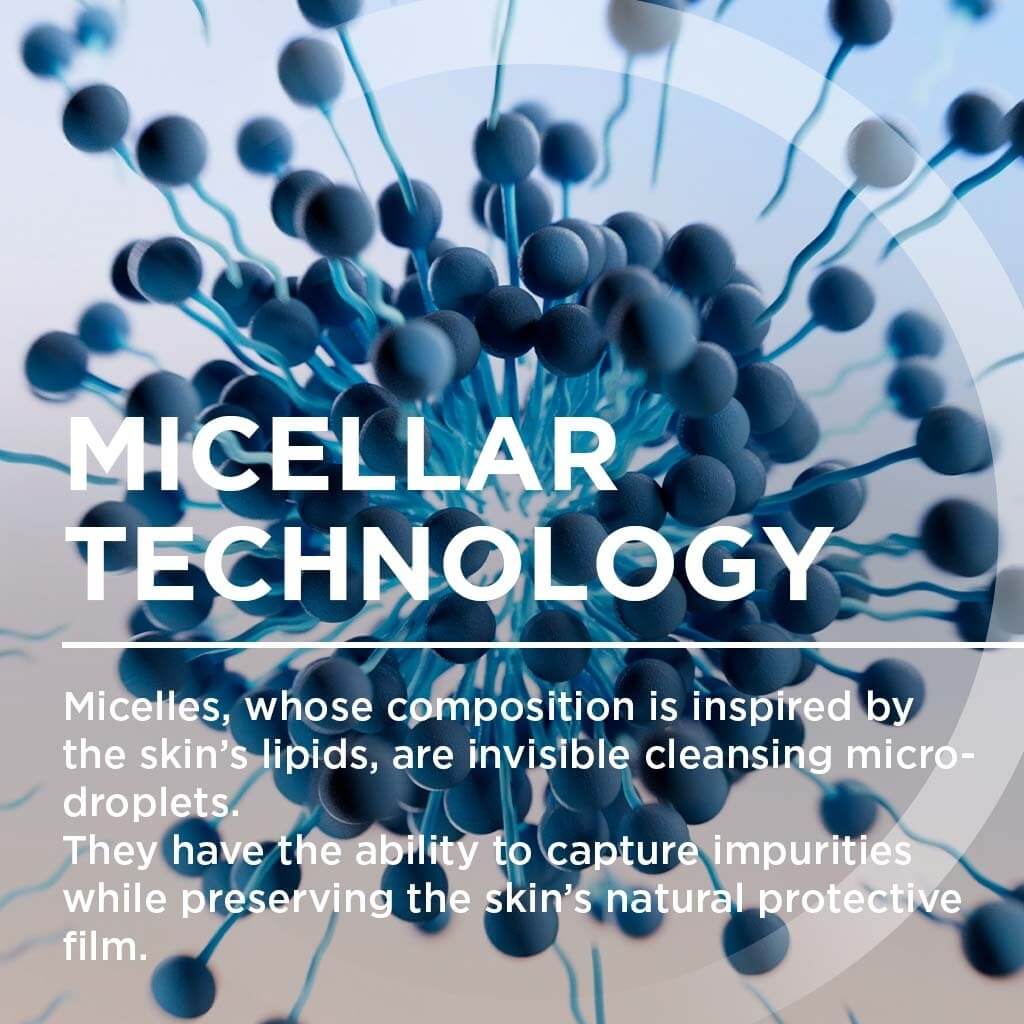
Micellar water is useful for light makeup, targeted cleanup and travel. Its strength is control: the liquid can be placed exactly on the lips or eyes. Its weakness is the pad. A barely damp pad becomes a rubbing tool, while a fully saturated one can rest against pigment and lift it more gently. Cleveland Clinic describes micellar water as containing cleansing molecules suspended in water and notes that it can be useful for sensitive skin. I still judge it by comfort and residue rather than the word “gentle” on the label.
Bioderma is my choice for a classic water-light formula and lighter makeup. Garnier Waterproof contains a distinct oil phase and is better suited to resistant pigment, although it may feel more emollient afterward. If you need pad after pad to remove a water-resistant base, switch to balm or oil instead of increasing friction.
Bi-phase eye remover
A bi-phase remover contains water- and oil-based layers that must be shaken together. It can be extremely effective for waterproof mascara and liner, but technique determines whether it feels gentle. Saturate the pad, close the eye, hold the pad in place and allow the formula to soften the makeup. Wipe downward and outward with minimal pressure rather than sawing across the lash line.
The FDA advises keeping eye cosmetics clean, stopping use if irritation occurs and avoiding eye products during an infection. A remover should stay outside the eye, and persistent stinging is a reason to rinse and stop. This is particularly relevant if you follow my mature-eye eyeliner tutorial or tightline near the lashes.
Cream-to-foam cleanser
A cream or low-foam cleanser can be a one-step choice on light-makeup nights or the second step after balm. Foam itself is not proof of harshness, and lack of foam is not proof that a cleanser failed. I look at whether residue is gone and whether the cheeks remain flexible after rinsing. CeraVe is the bridge product in this list: more cleansing action than a lotion cleanser, but a softer identity than a traditional high-foam wash.
1. Clinique Take The Day Off Cleansing Balm — Best makeup remover overall
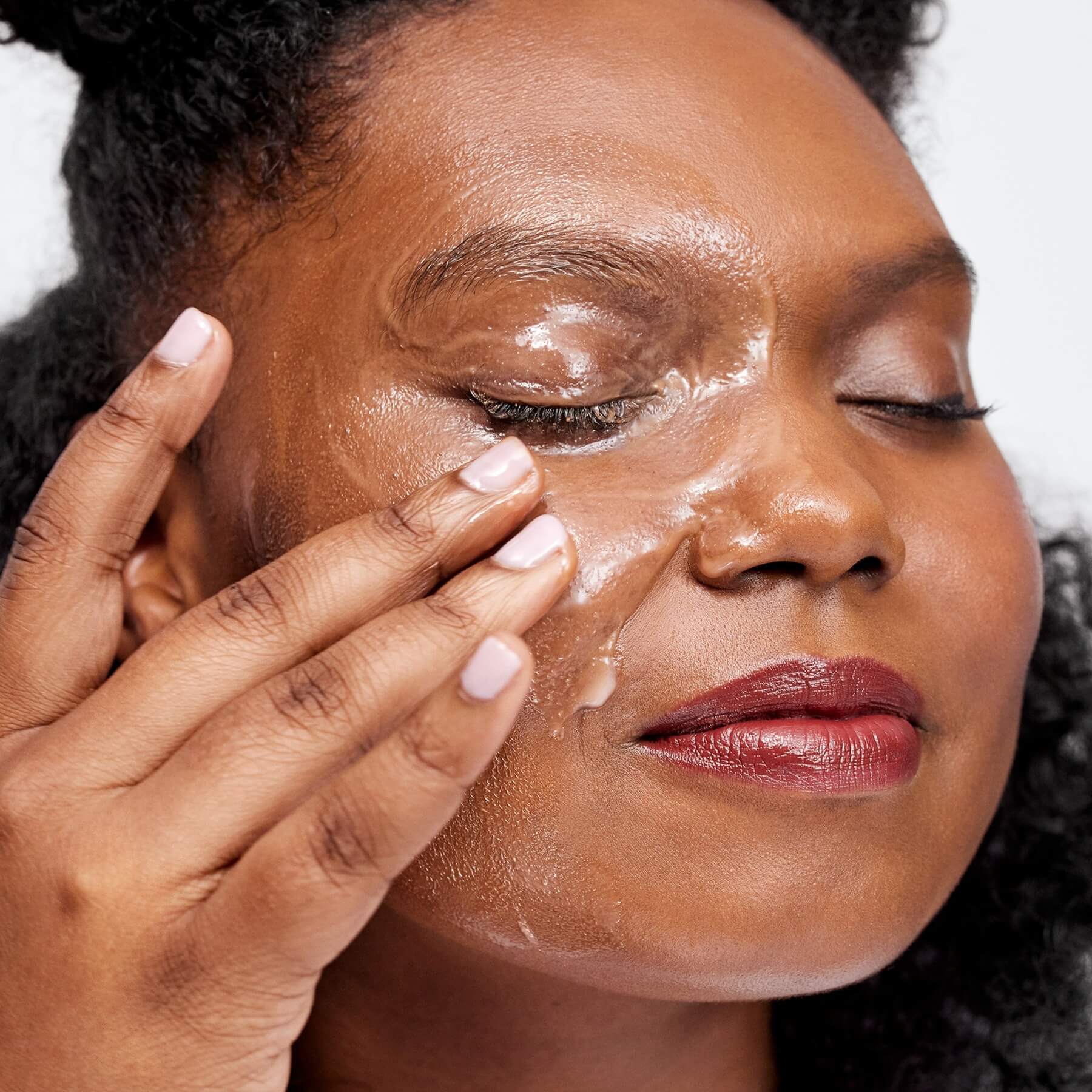

Clinique’s balm is a controlled, fragrance-free first cleanse for a full face. | The solid balm melts across dry skin before emulsifying with water.
Clinique takes first place because it is the easiest product here to recommend across different mature-skin routines. The jar format gives control, the balm remains where it is placed, and the melting texture provides enough slip to work around the nose, hairline and jaw without repeated pulling. It can remove the face and eye makeup in one first step, yet it does not depend on fragrance to make the process feel luxurious.
The official product page says the safflower-seed-oil-based balm dissolves long-wear face makeup, waterproof eye makeup and sunscreen and is suitable for sensitive skin and eyes. Those claims line up with why I rank it as the best all-rounder rather than a niche eye or travel product.
Why it works well on mature skin
The greatest advantage is not an exotic ingredient. It is time. A balm gives me time to spread a thin layer, pause over stubborn areas and loosen the day’s layers before rinsing. That matters when skin is dry or redness-prone, because efficiency can reduce the number of passes. If you regularly cover facial redness using my redness and rosacea makeup method, a proper dissolving step is far kinder than trying to lift the extra pigment with repeated wipes.
The fragrance-free claim is also meaningful. Fragrance is not automatically harmful, and many people tolerate it perfectly well, but it adds no cleansing value. When the eye area is already watery or the cheeks are reactive, removing that variable can make a premium purchase easier to justify.

Texture, rinse and packaging
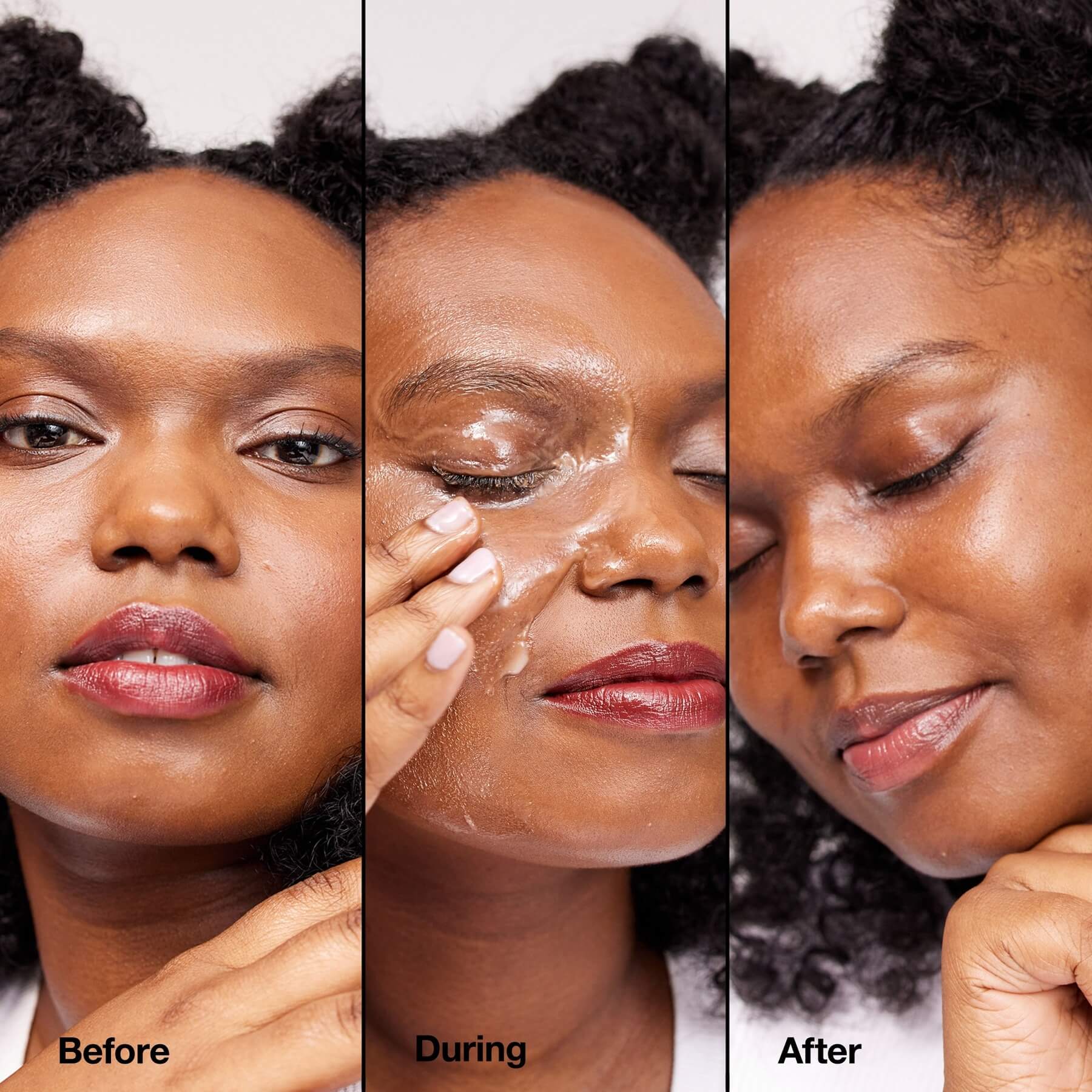
Start with dry hands and dry skin. A modest amount should glide into a clear oil. After the makeup visibly loosens, wet the fingertips and massage briefly until the product becomes milky. Rinse with lukewarm water. If a film remains, the first correction is usually more emulsifying water, not harder rubbing. A very gentle second cleanser can follow on full-makeup days.
The jar is stable and easy to open on a counter, although dipping fingers into a pot will not appeal to everyone. Clean, dry hands are sensible, and a small spatula can make portioning tidier. The solid format is convenient for travel compared with a leaky pump oil, but the full jar still occupies more space than a small micellar bottle.
Limitations and value
Clinique is a prestige buy, and the classic jar costs more than e.l.f. for a similar basic format. I would pay the difference for the fragrance-free formula, reliable emulsification and broad face-and-eye use, not because expensive cleansing is inherently better. Check the current Clinique cleansing balm size and price, because miniature, standard and jumbo listings can make a quick price comparison misleading.
Best for: a full face, sunscreen, long-wear foundation, sensitive-feeling skin, and anyone who wants one dependable first cleanser.
Skip it if: you dislike jars, want the lowest cost per cleanse or strongly prefer a pump.
Check today’s Clinique Take The Day Off price on Amazon
2. DHC Deep Cleansing Oil — Best cleansing oil
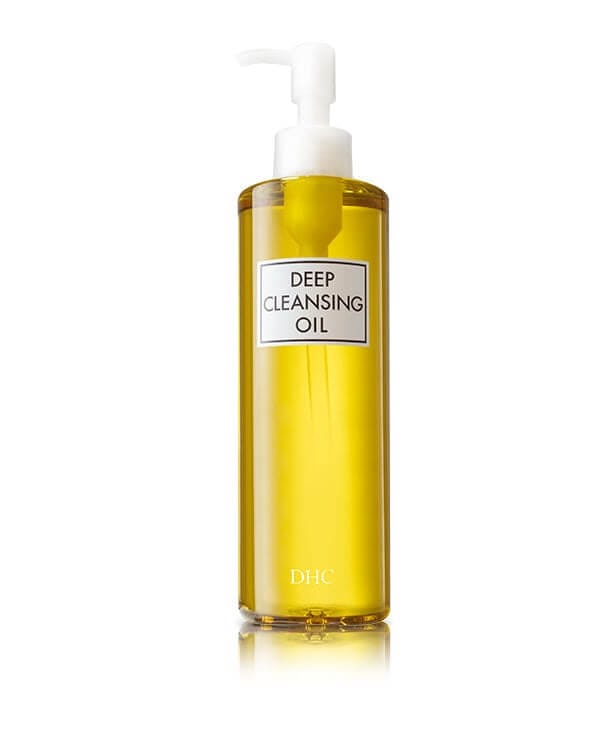

DHC offers the fastest-spreading fluid texture in the ranking. | The pump oil is designed to emulsify and rinse rather than remain as a facial oil.
DHC is my pick for anyone who likes the dissolving power of a balm but wants a faster, more fluid spread. One or two pumps can move over the face and neck with little resistance. That speed is useful after a layered routine with foundation, concealer, cream blush and powder, particularly when the goal is to remove everything before fatigue turns cleansing into hurried rubbing.
DHC states that the olive-oil-based formula breaks down stubborn waterproof mascara and eyeliner and rinses without an oily residue. The brand also lists it as fragrance- and colorant-free and highlights vitamin E and rosemary leaf oil. That combination makes it a strong first cleanse, though anyone sensitive to botanical extracts should still read the current ingredient list.
Why it works well on mature skin
The fluidity is the main mature-skin advantage. It reaches around the sides of the nose and across the jaw quickly, minimizing dry dragging. It is especially appealing if you use setting powder on mature skin or one of my highlighter picks after 50; oil-compatible cleansing can lift waxy or silicone-rich layers more efficiently than asking a foaming cleanser to do every job at once.
A pump is also hygienic and easy to dose. I would set the bottle on the counter, dispense before wetting my hands and spread with the flats of the fingers. If grip is limited, a wide nonslip tray under the bottle keeps it from skating around the sink.
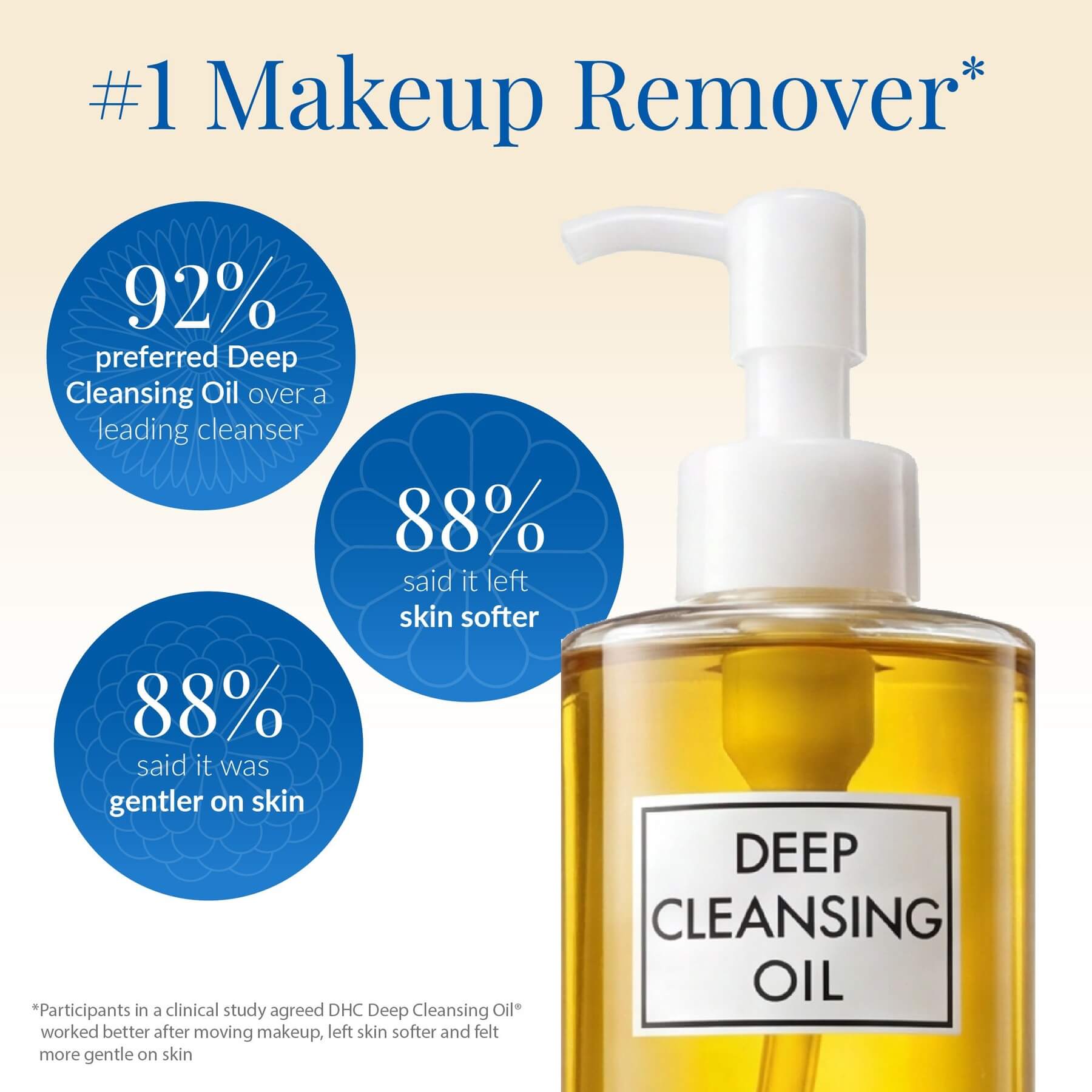

Texture, rinse and scent considerations
This is a substantial oil rather than an ultrathin dry oil. It should feel cushioned, not watery. Massage only as long as needed to break up makeup. Then add lukewarm water gradually until the oil becomes cloudy and light. Rinse thoroughly. A second gentle cleanser is optional if the face still feels coated or if you wore heavy sunscreen.
Although the brand describes the product as fragrance-free, rosemary leaf oil appears in the formula. Fragrance-free does not always mean botanically blank. Most people may use it comfortably, but a history of reactions to plant extracts is a reason to patch test and compare Clinique or CeraVe.
Limitations and value
DHC sits in the mid-range, and the larger pump bottle can offer good value because the formula spreads so far. Smaller bottles are useful for testing or travel but usually cost more per ounce. Compare the exact size in the current DHC Deep Cleansing Oil listing before deciding whether a discount is genuine.
Best for: full-face makeup, pump lovers, quick spread, long-wear eye products and anyone who finds solid balms too slow.
Skip it if: you dislike fluid oil, struggle with slippery containers or know that rosemary-derived ingredients bother your skin.
Check today’s DHC Deep Cleansing Oil price on Amazon
3. Bioderma Sensibio H2O Micellar Water — Best micellar water for sensitive skin
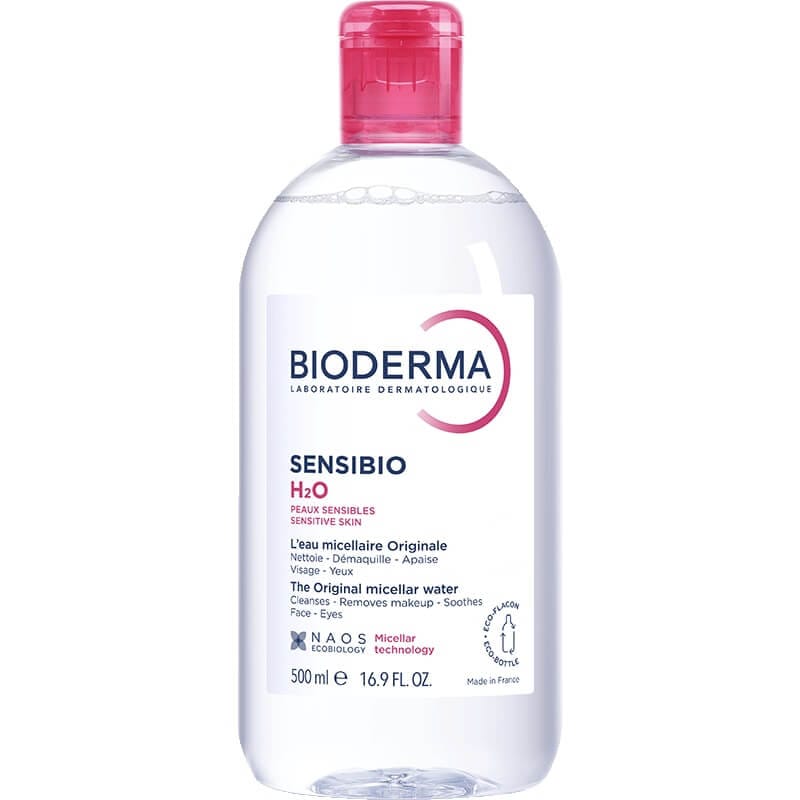
Bioderma Sensibio H2O is the classic water-light option for controlled removal. | Bioderma describes micelles as lifting impurities while respecting the skin’s protective film.
Bioderma is the product I would choose for a light-makeup wearer who values control, a water-light feel and a formula built around sensitive-skin positioning. It is useful when I want to remove lip color before bed, clean an eyeliner mistake, take off a sheer base or travel without carrying a jar. The familiar pink-cap bottle has become a micellar-water reference point for good reason.
Bioderma says Sensibio H2O removes makeup and impurities while helping preserve the skin’s natural balance. The brand lists a physiological pH, 99.8% biomimetic ingredients, no alcohol or parabens, and very good skin and eye tolerance. Those are manufacturer claims, but they explain why Sensibio ranks above generic micellar water for a redness-prone mature complexion.
Why it works well on mature skin
Control can be a form of gentleness. Instead of coating the entire face in oil when only the eyes or lips need extra help, I can saturate a soft pad and place it precisely. This is helpful with one of the best lip liners for mature lips or a fuller-coverage lipstick from my mature-lipstick guide. Hold first, wipe second.
It is also practical for someone who dislikes residue. Sensibio feels much lighter than an oil or balm. Some people leave micellar water on as directed, while others prefer a quick rinse or gentle cleanser afterward. If your skin feels tacky, tight or itchy, your own comfort is more useful than loyalty to a no-rinse claim.

Where micellar water reaches its limit
Sensibio is not my first choice for a heavy, water-resistant base plus waterproof mascara. It may eventually remove it, but needing several cotton rounds creates more opportunities for friction. If the first well-saturated pad remains heavily covered after a press-and-lift pass, move to balm or oil. The most gentle method is often the one that finishes the job efficiently.
Pad choice matters too. Use a soft, lint-free cotton or reusable round large enough to rest over the eye. Small, textured pads encourage back-and-forth motion. Do not ration liquid so severely that the surface feels dry.
Limitations and value
Bioderma comes in multiple sizes, so the lowest-looking price is not always the best value. The large bottle makes sense for daily full-face use; a smaller bottle is easier to handle and travel with. Check the current Bioderma Sensibio H2O bottle size and price before comparing it with Garnier.
Best for: light makeup, targeted cleanup, sensitive-feeling or redness-prone skin, travel and people who dislike oily textures.
Skip it if: your usual routine includes a full water-resistant base and waterproof eye makeup, or pads tempt you to scrub.
Check today’s Bioderma Sensibio H2O price on Amazon
4. Lancôme Bi-Facil Double Action Eye Makeup Remover — Best for waterproof mascara


Bi-Facil is the specialist choice for resistant mascara and liner. | Shake the bottle first so the two phases combine before saturating a pad.
Lancôme earns a place not as a full-face bargain but as a precise specialist. Waterproof mascara and long-wear liner contain film-formers that can resist an ordinary cream cleanser. When the remover is too weak, the lashes and eyelids absorb the extra handling. A well-formulated bi-phase liquid can loosen that makeup while the pad stays almost still.
Lancôme says Bi-Facil removes smoky, waterproof and water-resistant eye makeup without leaving a greasy or sticky feeling. The directions specifically say to shake the bottle to activate the bi-phase formula. That shaking step is essential; using an incompletely mixed bi-phase product can make it seem less effective than it is.
Why it works well on mature eyes
The eyelid is not the place for speed-scrubbing. Close the eye, rest the saturated pad over the lashes for 15 to 30 seconds, then sweep downward and outward. Repeat with a clean area of the pad if necessary. Supporting the elbow on the counter can make the movement steadier, just as it does in my guide to applying eyeliner on mature eyes.
This approach is especially useful after using one of the best eyeliners for mature eyes or the waterproof mascara techniques in my Clinique waterproof mascara review. The objective is to preserve lashes and avoid pulling at the orbital area, not to chase an artificially spotless pad in one swipe.

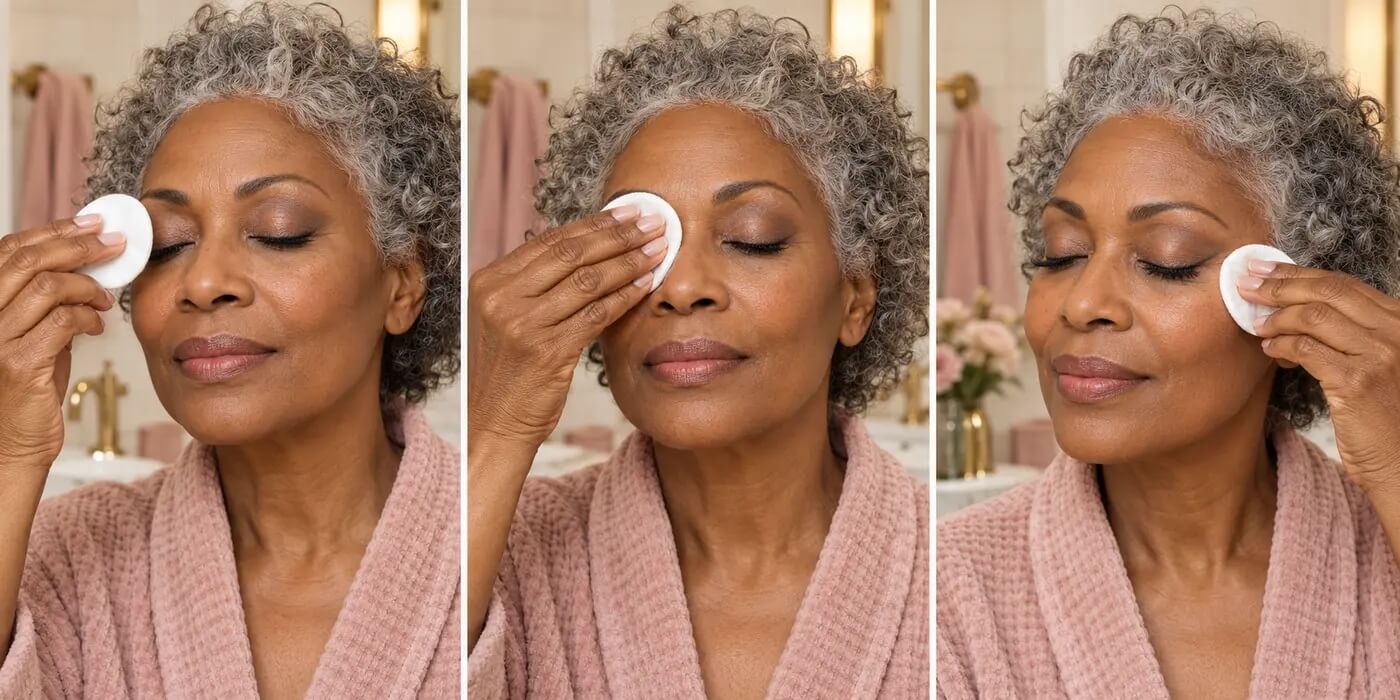
Press and hold first; the remover needs contact time before a gentle downward sweep.
How to use it without stinging
Shake until the layers appear evenly mixed. Saturate rather than merely dampen the pad. Keep the eye closed and place the pad over the lashes, not inside the eye or under the lid. If liquid runs, the pad may be overfilled; if it drags, it may be too dry. Follow with your normal face cleanser, and rinse immediately if any product enters the eye.
Contact-lens wearers should follow the product directions and their eye-care professional’s advice. I would remove lenses before dissolving eye makeup unless instructed otherwise. Persistent redness, pain or blurred vision is not a normal cosmetic reaction.
Limitations and value
Bi-Facil is expensive for a targeted remover, and it is unnecessary if your mascara comes off easily with your regular balm. The value appears when it prevents repeated tugging on truly resistant makeup. Compare the bottle volume and current offer on the Lancôme Bi-Facil Amazon listing; sets and travel sizes can distort the apparent price.
Best for: waterproof mascara, long-wear eyeliner, smoky eye makeup and readers who want a dedicated eye product.
Skip it if: you wear only washable mascara, want one cleanser for the whole face or dislike keeping an extra bottle.
Check today’s Lancôme Bi-Facil price on Amazon
5. e.l.f. Holy Hydration! Makeup Melting Cleansing Balm — Best affordable cleansing balm

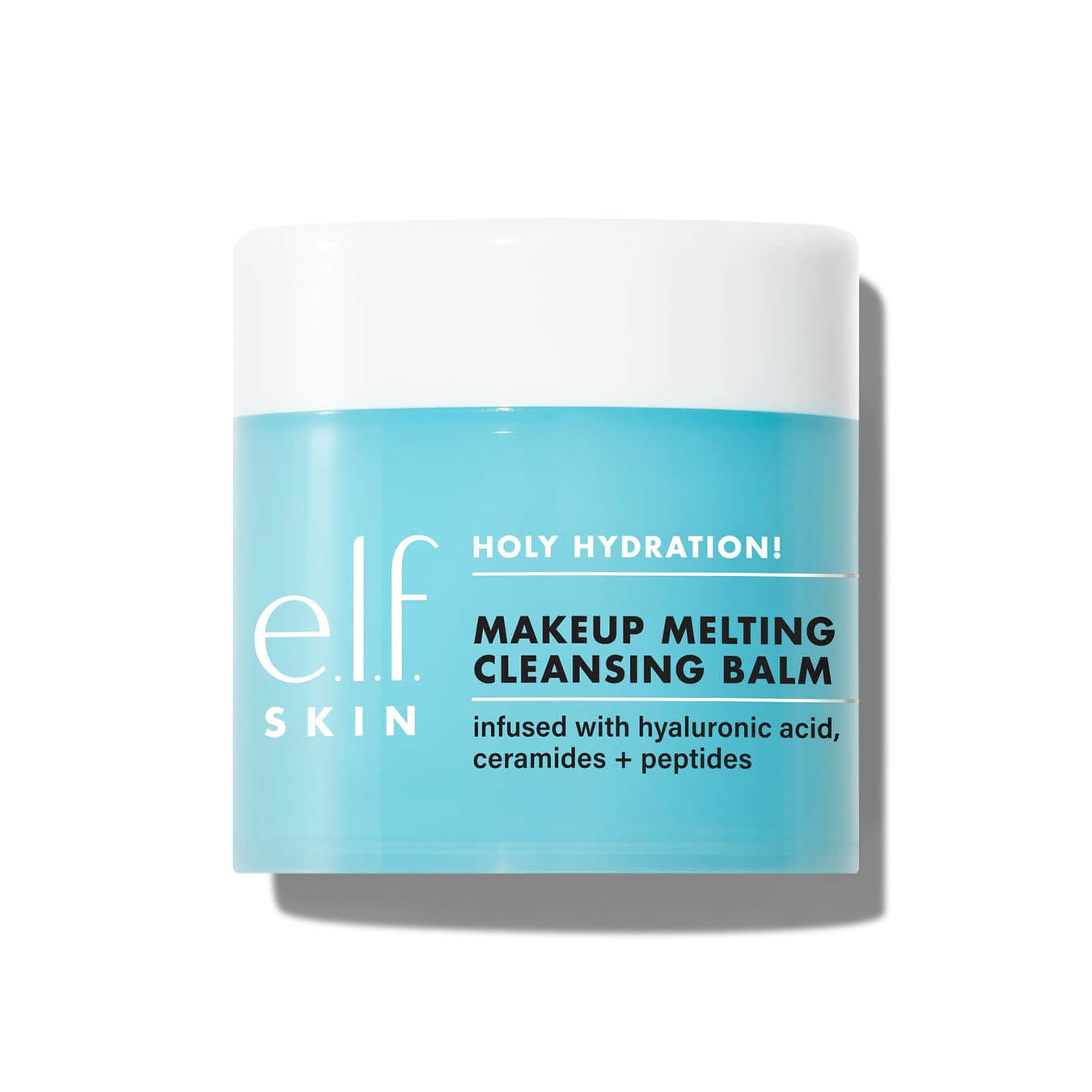
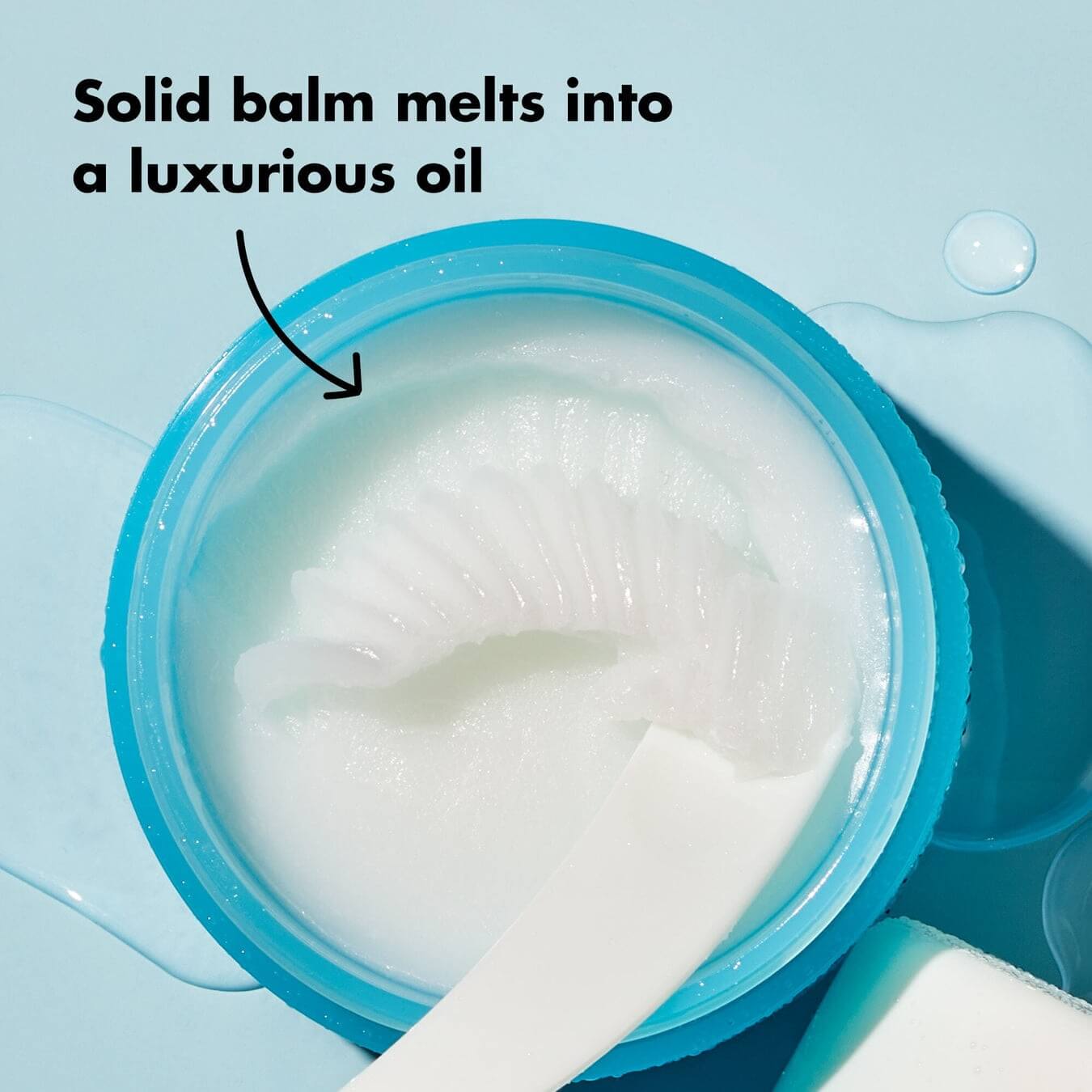
e.l.f. delivers the convenience of a melting balm at a budget price. | The solid formula melts into oil and becomes milky when water is added.
e.l.f. is my value balm because it gives budget shoppers the same sensible format as Clinique: a solid product that stays in the jar, melts on dry skin and emulsifies for rinsing. It is an easy entry point if you are curious about balm cleansing but do not want to begin with a prestige purchase.
The brand describes the formula as a solid balm that melts into an oil and transforms into a milky texture with water. It highlights hyaluronic acid, ceramides and peptides and says the balm removes makeup while leaving skin soft. Those ingredients are supportive extras, but the product’s real value is still effective removal with sufficient slip.
Why it works well on mature skin
The texture encourages slow, light-pressure cleansing. A small scoop can be dotted across the face before massage, so there is less temptation to drag a concentrated lump from one cheek to the other. The formula is particularly useful after an affordable makeup routine using a drugstore foundation for mature skin, blush and bronzer, and a light layer of powder.
The jar includes a spatula in many versions, which helps with dosing and keeps wet fingers out. Use the spatula dry, and let it dry fully before returning it to the lid. A pea-to-almond-size amount is often enough; adding far more can create unnecessary residue and reduce the apparent value.

How it compares with Clinique
Both provide the same basic balm-to-oil-to-milk experience. Clinique is the cleaner fit for someone prioritizing explicit fragrance-free positioning and broad sensitive-eye claims. e.l.f. is the stronger price argument and includes skincare-marketed ingredients that some shoppers enjoy. The best choice is not automatically the more expensive one; it is the formula you can use thoroughly and comfortably every night.
If fragrance or botanical sensitivity has been a problem before, compare current ingredient lists rather than assuming a product named “Holy Hydration” cannot irritate. Names describe positioning, not individual tolerance.
Limitations and value
e.l.f. was positioned around the low-teens price tier when I checked the official product, making it one of the lowest-risk balm trials here. Marketplace prices can move and jumbo or miniature sizes may appear. Confirm the volume on the current e.l.f. cleansing balm listing before comparing it with Clinique ounce for ounce.
Best for: budget shoppers, balm beginners, full-face makeup and anyone who prefers a stable jar to a fluid oil.
Skip it if: you want the simplest fragrance-free prestige formula, dislike jars or prefer a pump.
Check today’s e.l.f. cleansing balm price on Amazon
6. CeraVe Hydrating Cream-to-Foam Cleanser — Best one-step cleanser for light makeup

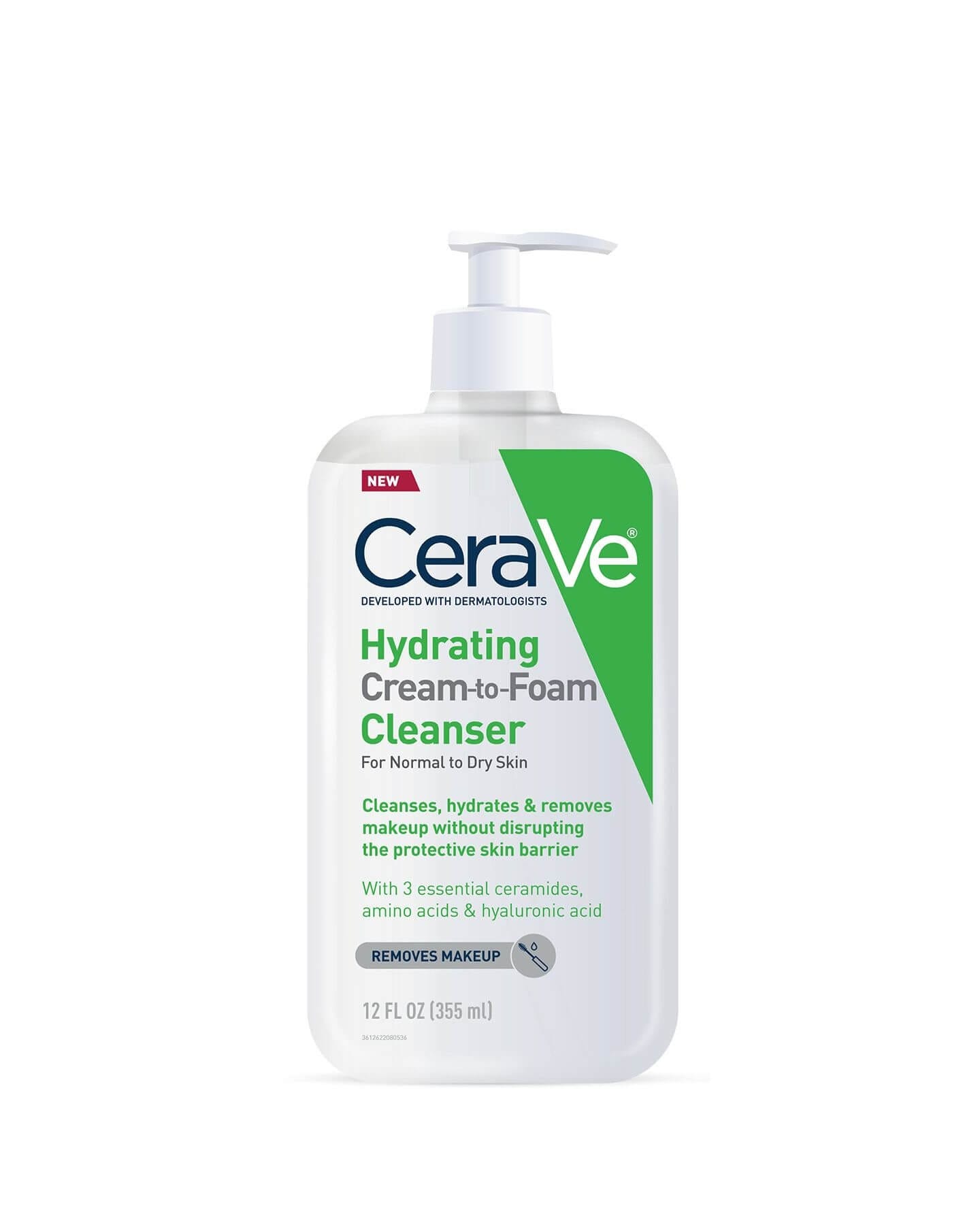
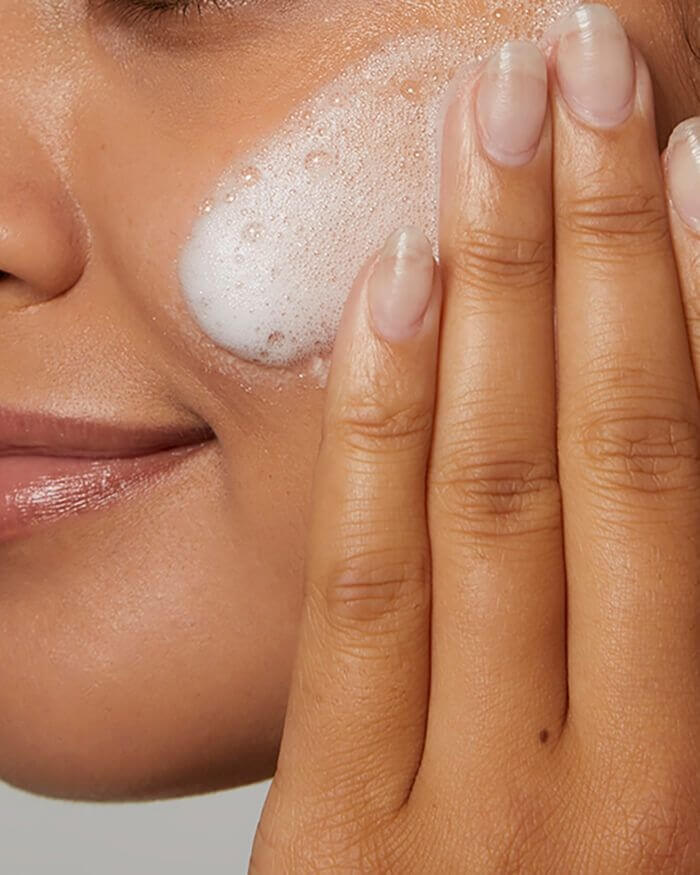
CeraVe is the practical one-step or second-step cleanser in the group. | The cream transforms into a soft foam when mixed with water.
CeraVe is different from the first five products. It is a water-based facial cleanser that can remove lighter makeup, not my first choice for dissolving a heavy waterproof face. That distinction is precisely why it belongs here. Many readers wear a tinted base, washable mascara and lip balm most days and would rather own one sink-side cleanser than perform a two-step ritual automatically.
CeraVe says the fragrance-free cleanser starts as a cream, transforms into a soft foam and removes dirt and makeup without stripping natural moisture or leaving skin tight. The formula includes three ceramides, amino acids and hyaluronic acid and is described as suitable for normal-to-dry skin, including sensitive skin. That makes it the most straightforward everyday face wash in this ranking.
Why it works well on mature skin
The cream-to-soft-foam transition makes cleansing feel familiar without chasing abundant lather. It also gives a clear choice: use it alone after a light day, or after Clinique, DHC or e.l.f. when a full makeup and sunscreen routine calls for double cleansing. If your daytime base is one of my tinted moisturizers with SPF, pay attention to water resistance; a resistant sunscreen layer may still benefit from a balm or oil first.
The pump is easy to dose and more convenient than a flip-cap bottle with wet hands. One pump is a sensible start. Wet the face, massage with fingertips in small circles and rinse well. Do not add pressure merely because the lather feels soft.

What it removes—and what it may not
CeraVe reports removal of dirt, oil, pollution and facial makeup, including long-wear facial makeup in its key-benefit language. Even so, eye products vary widely. I would not expect a water-based cleanser to outperform a dedicated bi-phase liquid on waterproof mascara, and the brand advises avoiding direct eye contact. Use the product within its lane.
After a light complexion using a BB or CC cream for mature skin, cream blush and washable mascara, CeraVe may be enough. After a winter event routine from my winter makeup guide, test for remaining pigment around the hairline and nose and add a first cleanse next time if needed.
Limitations and value
CeraVe is widely available and typically sits in the drugstore range, with larger bottles often offering better value. Pump size and multipacks vary online. Use the current CeraVe Cream-to-Foam listing to verify the ounces and seller rather than comparing only the headline price.
Best for: light makeup, normal-to-dry skin, a simple one-step cleanse, or a gentle second step after balm or oil.
Skip it if: you need one product to dissolve heavy waterproof eye makeup or prefer a completely non-foaming lotion.
Check today’s CeraVe Cream-to-Foam price on Amazon
7. Garnier SkinActive Micellar Cleansing Water All-in-1 Waterproof — Best budget waterproof remover

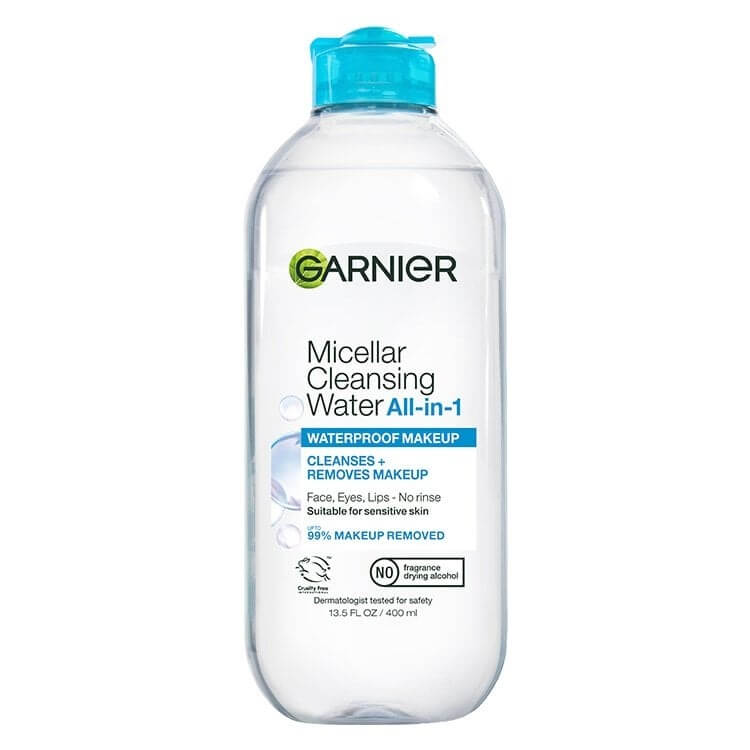
Garnier is the affordable bi-phase micellar option for water-resistant makeup. | The formula combines a micellar water phase with an oil phase, so shaking matters.
Garnier is the product I would choose when waterproof removal matters more than the ultra-light feel of classic micellar water, but the budget does not stretch to Lancôme. The bottle contains visibly separate phases. Once shaken, the mixture can address face, eye and lip makeup, making it more versatile than a specialist eye remover.
Garnier describes the product as a bi-phase micellar cleansing water for waterproof makeup, dirt and oil, including long-wear lipstick and waterproof mascara. The brand says it is fragrance- and alcohol-free and suitable for all skin types, including sensitive skin. Those features make it a persuasive budget multitasker, provided the richer finish suits you.
Why it works well on mature skin
Affordability matters because pad-based removal uses a meaningful amount of liquid. Garnier’s larger bottles can make full saturation feel less wasteful, which in turn reduces rubbing. The oil phase gives extra slip compared with a traditional water-light micellar formula and can loosen the waxes in waterproof mascara and long-wear lip color.
It is especially useful for a summer routine involving summer makeup on mature skin, water-resistant sunscreen and mascara. Shake every time; after the bottle sits, the phases separate again. Pour enough to wet the center and edges of the pad, then use contact time rather than pressure.


How it compares with Bioderma and Lancôme
Bioderma has the lightest, most minimalist experience and is my preference for reactive-feeling skin and light makeup. Garnier is richer and better equipped for resistant color. Lancôme feels more specialized and premium around the eyes, while Garnier offers face, lips and eyes in one larger, lower-cost bottle. None is automatically gentler; the best match is the one that removes your actual makeup in the fewest comfortable passes.
If a film remains, follow with a mild cleanser. If the cheeks feel comfortable and the product directions permit no rinsing, a full second cleanse may not be necessary every time. Mature skin benefits from adequacy, not ritual for ritual’s sake.
Limitations and value
The large bottle can be heavy and easy to over-pour. A smaller decant bottle with a secure cap can improve control at home, but label it clearly and keep it clean. Different bottle sizes and multipacks appear online, so compare the exact volume on the current Garnier Waterproof Micellar listing.
Best for: budget-conscious waterproof removal, larger households, long-wear lip color and readers who want one bi-phase product for face and eyes.
Skip it if: you dislike an emollient finish, prefer a pump, or wear only light non-waterproof makeup.
Check today’s Garnier Waterproof Micellar price on Amazon
How to choose the right remover for your routine
The best purchase becomes clearer when you begin with what must come off. Product type, skin feel, eye sensitivity, packaging and budget all matter, but they do not carry equal weight for everyone. I would answer the following questions before ordering.
How much makeup do you usually wear?
For a sheer base, cream blush, brow pencil and washable mascara, start with CeraVe or Bioderma. For foundation, concealer, cream shadow, liner, powder and setting spray, start with Clinique, DHC or e.l.f. For waterproof lashes regardless of the rest of the face, add Lancôme or Garnier if your main cleanser struggles.
This is also why I do not equate “natural makeup” with easy removal. A fresh look can still include sunscreen, primer and durable products. My routine for fresh, natural makeup on mature skin may look light while containing several thin layers. Count the layers and their wear claims, not only the final appearance.
Do you prefer fingers, a pump or a pad?
Balms suit people who like slow massage and a stable jar. Oils suit people who want a fast pump and fluid spread. Micellar and bi-phase liquids suit targeted work and travel but require pads. Cream-to-foam cleanser is most familiar for anyone who wants a traditional wash. Physical ease is a legitimate buying criterion. The most elegant formula is useless if the cap, bottle or application method makes nightly cleansing unpleasant.
Is fragrance avoidance important?
Clinique, DHC, CeraVe and Garnier carry fragrance-free positioning in the current information I reviewed, although DHC contains rosemary leaf oil. Bioderma emphasizes a short, sensitive-skin-focused formula. Always check the listing you receive, because reformulations and regional versions happen. If you have a diagnosed allergy, the ingredient list and your clinician’s guidance matter more than a category label.
Does residue bother you?
Choose Bioderma or CeraVe if you strongly dislike an oily finish. Choose Clinique or DHC if you are comfortable emulsifying and rinsing. Garnier and Lancôme use an oil phase and may feel more emollient until followed by cleanser. Residue is not necessarily damage, but neither should you tolerate a film that causes discomfort or interferes with the rest of your evening skincare.
What is the real cost per use?
A low bottle price is not a bargain if you need six saturated pads nightly. A prestige balm is not automatically wasteful if a small scoop removes the entire face. Compare size, dosing method and the amount your makeup needs. Keep the first purchase small when possible; once you know the texture suits you, a larger size or multipack may offer better value.
My gentle removal routine for a full face
- Prepare the sink. Tie back hair, wash and dry hands, lay out a soft towel, and remove contact lenses if appropriate.
- Handle stubborn eyes first if needed. Shake a bi-phase remover, saturate a pad, press over the closed eye, wait, and sweep gently.
- Apply balm or oil to dry skin. Dot balm around the face or dispense oil into dry hands. Spread with flat fingers and light pressure.
- Give resistant areas a little time. Work around the nose, hairline and jaw. Do not scrub at texture or visible pores.
- Emulsify. Add small amounts of lukewarm water until the product becomes milky and lighter.
- Rinse thoroughly. Use hands or a very soft, fully wet cloth with minimal pressure.
- Second-cleanse only when useful. Use a mild cleanser if makeup, sunscreen or film remains.
- Pat and moisturize. Press with a towel rather than rubbing, then apply the rest of the evening routine while skin is comfortable.
A clean white towel is not a scientific test, but visible foundation at the hairline can reveal rushed removal. Check gently with damp fingertips rather than repeatedly wiping the whole face. If you often miss color near the brows, revisit my guide to filling sparse brows after 50; lighter, hair-like application is easier to remove than a heavy block.


Pat dry and follow with comfortable skincare; cleansing should not end with tight, overheated skin.
Common makeup-removal mistakes I would avoid
Using too little remover
Trying to save a few drops can increase friction. Use enough balm to maintain slip and enough micellar liquid to saturate the pad. Then reduce waste by choosing a more efficient method for the makeup load rather than by making the chosen method uncomfortably dry.
Assuming hot water cleans better
Very hot water can leave the face flushed and uncomfortable without meaningfully improving removal. Lukewarm water is sufficient for emulsifying and rinsing. If waxy makeup remains, change the remover or allow more contact time.
Rubbing waterproof mascara immediately
Waterproof eye makeup needs a compatible oily phase and patience. Press, wait and sweep. Pulling at the lashes risks breakage, while side-to-side rubbing irritates the eyelid. Replace mascara regularly and avoid sharing it, as the FDA guidance on eye cosmetics emphasizes.
Double cleansing automatically
Double cleansing is a tool, not a nightly obligation. If a single cleanser removes a light routine and leaves skin comfortable, a second wash may add no benefit. If a full face remains around the hairline, a thoughtful two-step routine is more sensible than a single aggressive wash.
Using exfoliation as makeup removal
Scrubs, textured cleansing pads and strong acids do not replace a makeup solvent. They may make the face feel polished while pigment remains, and combining them with repeated rubbing can create unnecessary irritation. Learn what active ingredients do in my guide to skincare ingredients for mature women, then keep cleansing and treatment as separate decisions.
Ignoring the neck, jaw and hairline
Complexion products often travel beyond the center of the face, particularly when blending a natural finish. Move balm or cleanser to the jaw and upper neck without pulling, and rinse around the ears and hairline. This is especially important after techniques from my guides to matte versus dewy mature makeup and applying setting powder.
Treating burning as proof of a deep clean
A cosmetic cleanser does not need to sting to be effective. If burning occurs, rinse thoroughly and stop. Persistent swelling, pain, rash or eye symptoms deserve medical advice. Do not keep using an irritating product merely because it was expensive or highly reviewed.
Frequently asked questions about makeup remover for mature skin
1. What is the best makeup remover for very dry mature skin?
For a full face on very dry mature skin, I would begin with a well-emulsifying balm such as Clinique or e.l.f. rather than a pad-based method. The balm supplies slip, stays where it is placed and can loosen foundation and sunscreen before water is introduced. DHC is equally capable if you prefer a pump oil, but its fluid texture may be less convenient when hands are wet or grip is limited. After light makeup, CeraVe can be the simpler one-step option.
The words “dry skin” do not mean the richest product automatically wins. A balm that leaves a thick film may lead to an unnecessarily strong second cleanse, while a gentle cream cleanser that removes your light routine in one pass can be the more comfortable choice. Judge the complete process: how much rubbing was needed, whether residue remains, how the cheeks feel ten minutes later and how makeup sits the next morning.
I would also separate cleansing from treatment. Hyaluronic acid, ceramides and oils sound attractive, but a rinse-off product spends limited time on the face. Its first obligation is to remove makeup comfortably. Moisturizer, serum or an occlusive night cream can provide the sustained support afterward. If you use strong active ingredients, simplify the cleanse rather than stacking exfoliating pads, hot water and a fragranced remover in the same evening.
Very dry skin often shows makeup texture sooner, so connect removal with the next day’s application. My guide to preparing mature skin for foundation begins with a comfortable surface, and my article on the best foundations for mature skin explains why even a beautiful formula cannot compensate for an irritated base. If dryness persists despite a mild routine, seek professional advice rather than cycling through stronger cleansers.
2. Is cleansing balm or cleansing oil better for older skin?
Neither texture is inherently better for older skin. Balm and oil use the same practical idea: oil-compatible ingredients loosen sunscreen, sebum, waxes and long-wear pigment, then emulsifiers help the mixture rinse with water. The better format is the one you can dose, spread and remove without mess or pressure.
Choose balm if you want control. It remains in the jar, does not run down the forearms and can be dotted across the face before massage. That is helpful for shaky hands, a crowded sink or travel. Choose oil if you want speed. A pump can deliver the product in seconds, and fluid oil spreads over the face and neck with minimal effort. DHC is my oil choice; Clinique is my premium balm; e.l.f. is my affordable balm.
There are tradeoffs. Jars require clean hands or a spatula. Pumps can leak and become slippery. A dense balm may need more attention during emulsification, while a thin oil can reach the eyes too quickly if over-applied. Both should be used on dry skin unless the label says otherwise, and both should turn lighter or milky when water is added. If the product never emulsifies and your skin remains coated, check the directions, use more water or try another formula.
Your makeup routine decides how much dissolving power you need. A full look built with multiple makeup layers usually favors balm or oil. A quiet day with concealer, brow pencil and tinted balm may not. If under-eye coverage is the most persistent part of your face, use a thin layer from my guide to choosing concealer for mature skin; less product generally means easier removal and less settling.
3. Is micellar water enough to remove makeup from mature skin?
Micellar water can be enough for light makeup if a saturated pad removes it without repeated rubbing and the skin feels comfortable afterward. Bioderma is the better fit for a water-light, sensitive-skin-focused experience. Garnier Waterproof contains a richer bi-phase system and can handle more resistant pigment. Neither should be judged by the first swipe alone; give the liquid contact time and examine whether color remains around the hairline, lashes and sides of the nose.
The biggest variable is not the micellar formula but the pad. A dry or scratchy round creates friction. Wet it generously, hold it over the area and lift. Fold to expose a clean section rather than moving dissolved pigment around the face. If two or three careful passes still leave a water-resistant base, stop adding pads and use a balm or oil. Switching methods is gentler than escalating pressure.
No-rinse claims are convenient, but personal comfort still matters. Some people love the clean, weightless finish. Others notice tackiness or tightness and prefer a splash of water or mild second cleanser. That does not mean the product is defective; skin, climate, water quality and the amount applied all change the experience. Avoid the habit of rubbing until the pad looks perfectly white, because the goal is clean skin, not a spotless piece of cotton.
Micellar water is especially useful for correcting detailed makeup without restarting. It can refine the edge of a brow pencil for older women, remove a lip-liner mistake or soften a smudged eye. For the full nighttime process, follow the technique in my mature-skin makeup-removal guide.
4. How do I remove waterproof mascara without losing lashes?
Use an oil-compatible balm or a shaken bi-phase remover, and replace rubbing with contact time. Saturate a soft pad, close the eye and rest the pad over the lashes for 15 to 30 seconds. Sweep downward in the direction of lash growth. For mascara at the roots, fold a clean section of the pad and make a smaller, controlled pass. Do not pinch the lashes between fingernails or pull dried mascara off.
Lancôme Bi-Facil is my targeted pick, while Garnier is the budget option. Clinique and DHC can also remove waterproof eye products when their labels permit eye-area use, but keep every remover outside the eye. If a formula clouds vision or causes stinging, rinse thoroughly. Persistent symptoms need medical attention, not another attempt with the same product.
The mascara itself matters. A fresh tube applies more evenly and may remove more predictably than a thick, aging formula. Never add water or saliva to revive mascara, and do not share eye cosmetics. Stop using eye products during an infection. These are simple habits, but they protect the eye area more effectively than any expensive remover can.
Application technique can reduce the removal burden too. One or two controlled coats from my waterproof mascara guide for women over 50 usually looks fresher than repeated heavy layers. Pair it with the short-stroke method in my eyeliner tutorial for mature eyes; thin liner close to the lashes needs less solvent and less handling at night.
5. Should mature skin be double-cleansed every night?
No. Mature skin should be cleansed adequately, not automatically twice. Double cleansing is useful when one gentle step cannot remove the day’s makeup, water-resistant sunscreen, pollution and oil. It is unnecessary after every minimal day if a single cleanser does the job and the skin remains comfortable.
I would double-cleanse after a full-coverage foundation, a water-resistant SPF, long-wear cream color or heavy setting products. The first step should dissolve those layers; the second should remove remaining residue with a mild water-based cleanser. I would single-cleanse after a light complexion day when CeraVe or another gentle cleanser removes everything. On a no-makeup day, the appropriate cleanse depends on sunscreen, activity and skin needs.
Two cleanses should not mean twice the force. Use shorter, lighter steps. If the first balm emulsifies and rinses exceptionally well, the second cleanse may require only a brief massage. If your face becomes tight, flaky or unusually shiny after a new routine, reassess the total cleansing load. Sometimes the fix is a milder second product; sometimes it is skipping the second product.
Consider how makeup was built. A base from my tinted-moisturizer recommendations may be simple, but an SPF version can still be persistent. A matte look using my matte-versus-dewy guidance may contain primer, foundation, powder and spray, which often justifies a first oil-compatible cleanse. Let the day’s product load make the decision.
6. Are makeup wipes bad for mature skin?
A makeup wipe is not automatically dangerous, but it is rarely my first choice for a complete mature-skin cleanse. The sheet creates direct friction, dries after the package is opened and often encourages repeated passes. It can be useful in an emergency, during travel or for a small correction, but convenience should not become an excuse to scrub the entire face nightly.
If wipes are the only practical option, choose soft, well-saturated sheets, close the package immediately and press before wiping. Use more than one sheet if the first becomes dry or heavily covered; moving the same pigment-filled wipe around the face is not efficient. Rinse or follow with a gentle cleanser when the label and circumstances allow. Avoid wipes around an irritated eye, and never push the cloth under the eyelid.
A bottle of micellar water with soft pads gives similar portability and better control, because you determine how wet the surface is. A travel balm can be even more effective for a full face. The best replacement depends on why wipes appealed: if it was speed, choose pump oil; if it was low mess, choose balm; if it was targeted control, choose micellar water.
Wipes also should not double as exfoliation. Mature skin does not need to feel polished every night. If you are dealing with flakes that show through complexion makeup, improve hydration and review the products underneath. My guide to whether older women need primer explains how a small amount can smooth the application without turning removal into a battle.
7. Do I need cleanser if I did not wear makeup?
You may still need a gentle cleanse if you wore sunscreen, perspired, exercised, spent time in pollution or applied rich skincare that you prefer to remove before bed. “No makeup” does not always mean nothing is on the skin. Water-resistant facial sunscreen can be particularly persistent. On the other hand, an indoor day with minimal product may not require a balm, eye remover and second cleanser.
I would use a mild cream or cream-to-foam cleanser in most no-makeup situations and reserve balm or oil for substantial sunscreen. Pay attention to the water temperature and duration. A long hot wash can be more disruptive than the cleanser choice. Massage briefly with fingertips, rinse thoroughly and stop once the skin is clean.
Morning cleansing can also be individualized. Some dry mature complexions feel best with a lukewarm-water rinse; others prefer a small amount of gentle cleanser to remove overnight products. There is no prize for creating the longest routine. The right routine leaves skin comfortable, supports sunscreen during the day and does not interfere with makeup.
If your no-makeup days are part of simplifying a summer routine, my guide to summer makeup for mature skin explains how to use fewer layers without giving up polish. If you still want coverage, the best BB and CC creams for mature skin can reduce the number of separate complexion products—but any SPF or long-wear claim still belongs in the removal decision.
8. What should I apply after removing makeup from mature skin?
After removal, pat the face so it remains slightly comfortable rather than bone-dry, then apply the leave-on products that suit your skin and clinician’s advice. A simple routine might include a hydrating serum or treatment, moisturizer and an occlusive layer on very dry areas. The cleansing product does not need to perform every skincare job.
If the face feels hot, stings when moisturizer is applied or becomes visibly red, simplify. Skip exfoliating acids, retinoids and strongly fragranced products that night unless a professional has told you otherwise. A bland moisturizer may be enough. Continuing to layer active products over irritated skin can make it difficult to identify the original problem.
The morning result is useful feedback. If foundation pills, separates or catches on flakes, review both the evening cleanse and the morning layers. Too much residue can interfere with skincare; too much cleansing can create dryness. My guides to stopping foundation separation and makeup tips for a fresh look after 50 can help connect those steps.
Finally, distinguish cosmetic discomfort from a medical problem. Persistent swelling, pain, cracked skin, eyelid inflammation or a spreading rash should not be managed by buying another remover. Stop the suspected product and seek appropriate advice. A good makeup-removal routine is uneventful: the makeup comes off, the skin feels calm, and you can move on with your evening.
Final verdict
Clinique Take The Day Off Cleansing Balm is my best overall makeup remover for mature skin because it combines control, slip, broad makeup-removing ability and fragrance-free positioning. DHC is the best alternative for readers who prefer a pump oil. Bioderma is the lightest controlled choice; Lancôme is the waterproof-eye specialist. e.l.f., CeraVe and Garnier prove that a useful removal routine does not have to be expensive.
Buy for the makeup you wear most often, not the most dramatic routine you might wear twice a year. Use enough product, allow contact time, emulsify balms and oils properly, and stop treating friction as proof of cleanliness. Then connect the product with my step-by-step guide to removing makeup from mature skin without tugging. The right remover should make the end of the day easier—and leave your skin ready for tomorrow, not recovering from tonight.