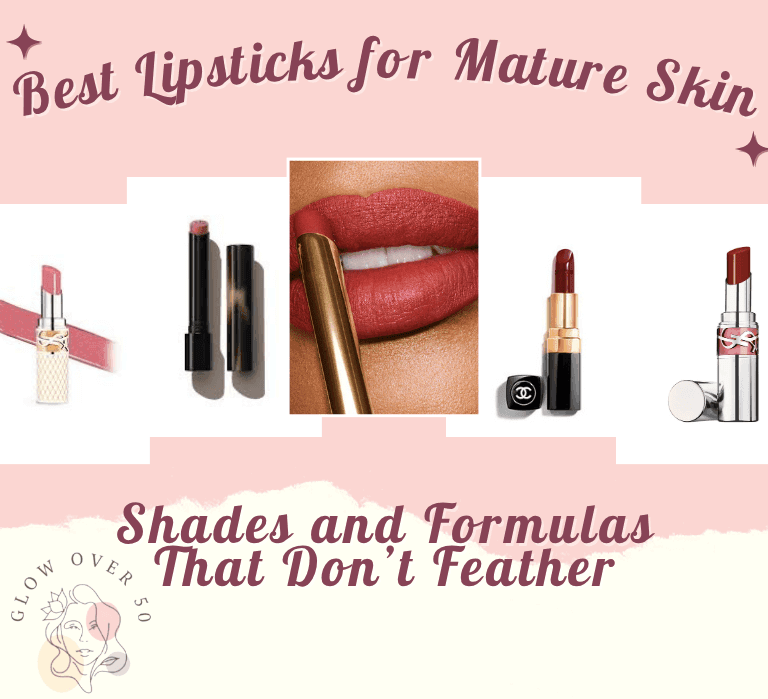
Turning 50 was liberating in so many ways, but my makeup bag didn’t seem to get the memo. Suddenly all my favorite lipsticks betrayed me by bleeding into tiny lines I didn’t even know I had. I remembIf you’re new to color, start with tinted balmser applying my go-to crimson before dinner only to spend the evening discreetly wiping away smudges. That’s when I realized mature lips need special love. In this post I’ll share what I’ve learned from testing dozens of formulas, talking with experts and, yes, making plenty of mistakes. Together we’ll explore why lips change with age, what ingredients actually help, how to choose flattering shades and the very best lipsticks that stay where they’re meant to.
Table of Contents
Why do lips change after 50?
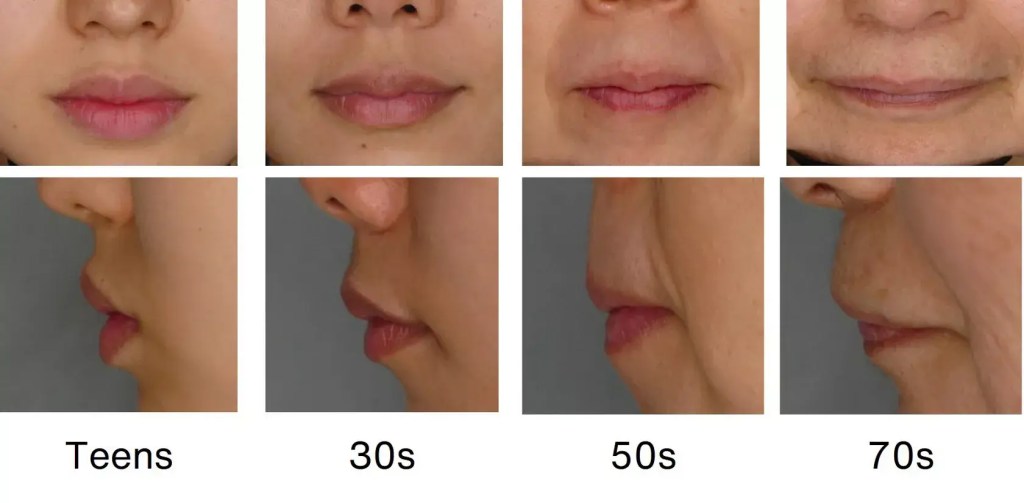
Our lips are not immune to the passing of time. Dermatologists explain that as we age, collagen production declines and oil glands become less active. Less collagen means thinner, less plump lips, while fewer oils translate to dry, flaky skin. Makeup artist Elaina Badro notes that dryness accentuates fine lines around the mouth. On top of natural aging, certain habits—like smoking, sipping through a straw or basking in the sun—create vertical “lipstick lines” above the lip. These tiny creases act like little rivers that draw creamy lip color beyond the borders of your mouth. It’s no wonder my favorite reds suddenly misbehaved!
Vertical lip lines typically appear in our forties and beyond, but lifestyle factors can make them worse. Staying hydrated, eating nutrient-rich foods and wearing SPF on the lips all help slow this process. For day-to-day makeup, the right lipstick formula and a few application tricks can make all the difference. For a smoother canvas before lipstick, I follow the same prep I use for my base—see How to Prep Mature Skin for Foundation

Lip Prep Protocol (Day & Night)
Why prep matters over 50
When lips naturally produce less oil and look a bit thinner, the right prep is the difference between “my lipstick melts” and “wow, that looks polished.” A medical explainer on lip lines and prevention from Cleveland Clinic shows how repeated motion and cumulative sun exposure carve those tiny vertical channels that invite feathering. Prep smooths texture and adds the moisture cushion older lips crave.
Morning routine (90 seconds)
- Rinse with lukewarm water, pat dry.
- Condition with a thin layer of balm (sheer, not greasy).
- Wait 60 seconds. Blot once so the surface isn’t slippery.
- Prime lightly if feathering is a chronic issue (clear, line-filling textures grip pigment).
- Proceed to liner + lipstick in sheer layers.
Night routine (2 minutes)
- Melt off makeup with a gentle balm/cream cleanser.
- Exfoliate 1–2× weekly with a soft cloth or sugar scrub—never sandpaper your lips.
- Treat with a peptide/hyaluronic acid balm; NewBeauty’s guide to lip-line smoothers highlights both ingredients for a smoother look by morning.
- SPF by day—Cleveland Clinic notes UV is a top contributor to lip lines; SPF habits add up.
My test: if I can press a fingertip and the skin looks springy—not flaky—I’m prepped.
What to look for in lipsticks for mature skin
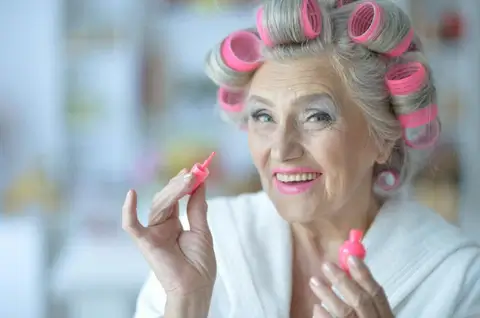
As my collection of lip balms and disappointing lipsticks grew, I started to see a pattern: the ones that worked always had a few things in common. Beauty editors advise that lipsticks with butter, emollient or wax bases tend to be super hydrating, while dry, ultra-matte formulas often emphasize lines. Cream or satin finishes are softer and more flattering on aging lips. Makeup artist Haley Flores-Rivera reminds us that the right texture and color adds dimension and radiance to the face.

Here are some key ingredients and features to seek out:
- Hyaluronic acid and peptides – Humectants like hyaluronic acid attract moisture to plump the lips, while peptides support the dermal matrix for a smoother look. NewBeauty notes both.
- Emollients (shea butter, cocoa butter, jojoba oil) – Rich butters and oils soften cracks and blur fine lines. NewBeauty notes that shea butter and sunflower oil restore lost moisture around the mouth.
- Waxes and waxy complexes – Natural wax blends create a flexible film that locks color in place without feeling heavy.
- Soft matte or satin finishes – A soft matte can give the look of a classic matte without the dryness; satin finishes offer a subtle sheen and slip.
- Line-blurring technology – Cream-gel or blurring textures fill tiny creases so color doesn’t bleed.
When shopping, swatch a few shades on the back of your hand and watch how they dry down. Does the formula stay moist, or does it settle into the lines on your skin? Those little tests often reveal how a lipstick will behave on your lips.
Finish Finder: Cream, Satin, Soft Matte, Gloss
- Cream: Cushiony, forgiving, and usually the safest everyday choice for mature lips. If your lipstick often looks patchy, cream formulas typically fix it fast.
- Satin: Like cream but a touch more polished—my favorite “meeting to dinner” finish. Beauty writers in InStyle’s mature-lip roundup consistently find satin bullets kinder to dryness than flat mattes.
- Soft matte: When you want that velvety look without the prune-y feel. Allure’s testing of hydrating mattes points to newer “soft matte” textures (often with hyaluronic acid) that look blurred, not chalky.
- Gloss & oils: Gorgeous for a plush look—but too much slip can encourage feathering. Tuck a clear liner just outside your lip line and use a “tap then blot” application. Hybrid lip-oil sticks highlighted in Allure’s balm-oil roundups can be a happy middle.
Choosing flattering shades
I used to gravitate toward the deepest burgundies because I thought they looked sophisticated, but I learned the hard way that extremely dark shades can make the lips appear thinner and highlight any feathering. Makeup artists recommend soft berries, plums, mauves and warm neutrals for mature skin. These colors add warmth and definition without overwhelming your features. A classic mid-tone red can be stunning for evening—just remember to prep and line your lips well. For daytime BB & CC creams, sheer rosy balms like Clinique’s cult-favorite Black Honey let your natural lip color shine through while providing hydration.
When in doubt, stick with shades that mimic the natural flush of your lips. If you’re new to color, start with tinted balms or hydrating lipsticks in peach, rose or soft plum. I always keep a nude pink, a berry and a classic red in my bag so I’m ready for any occasion. If your lips are extra dry, a little overnight care helps—my routine borrows from K-beauty, starting with soothing masks from Best Korean Face Masks for Mature Skin


Undertones & Shade-Matching After 50
The quick undertone test
- Gold jewelry looks better? You likely lean warm—peachy nudes, warm roses, brick reds flatter.
- Silver looks better? You likely lean cool—blue-rose pinks, berry mauves, true reds shine.
- Both look fine? You may be neutral—most mid-tone berries/roses will work.
Lip-thinning illusions to avoid
- Ultra-dark + super-matte can visually shrink lips.
- Too-pale concealer-nude erases lip shape.
Instead, follow the mid-tone rule: 1–2 steps deeper than your natural lip is usually perfect.
Teeth-whitening trick
Cool/neutral reds (blue-based) make teeth look brighter—a favorite camera trick in editor roundups from Allure.
Application tips to prevent feathering
Even the best formula needs proper application to perform its magic. Through trial and (a lot of) error, here’s the routine that keeps my lipstick from migrating:
- Prep your canvas. Gently exfoliate lips with a sugar scrub or a soft toothbrush, then apply a hydrating balm and let it soak in. Avoid heavy oils right before lipstick—it makes the color slide around.
- Create a barrier. A clear or color-matched lip liner stops color from creeping into lines. For extra insurance, trace just outside your natural lip line and lightly powder around the mouth.
- Use thin layers. Apply one coat of lipstick, blot with a tissue, then add a second coat. Blotting removes excess emollient so pigment clings better. Makeup artists call this the “blot and layer” method and swear by it for longevity.
- Finish with a setting step. For satin or creamy formulas, place a single ply of tissue over your lips and dust a translucent setting powder for mature skin through the tissue. This sets the color without making it chalky. If powder feels too dry, try a dedicated lip primer that fills lines and grips color.
- Carry a lip balm or serum. Reapply a thin layer of balm on top of your lipstick mid-day to maintain hydration without disturbing the color. Products rich in peptides, hyaluronic acid and shea butter can plump and smooth vertical lip lines.
Lips are the final step for me — here’s my full face makeup layering routine so everything stays smooth start-to-finish.
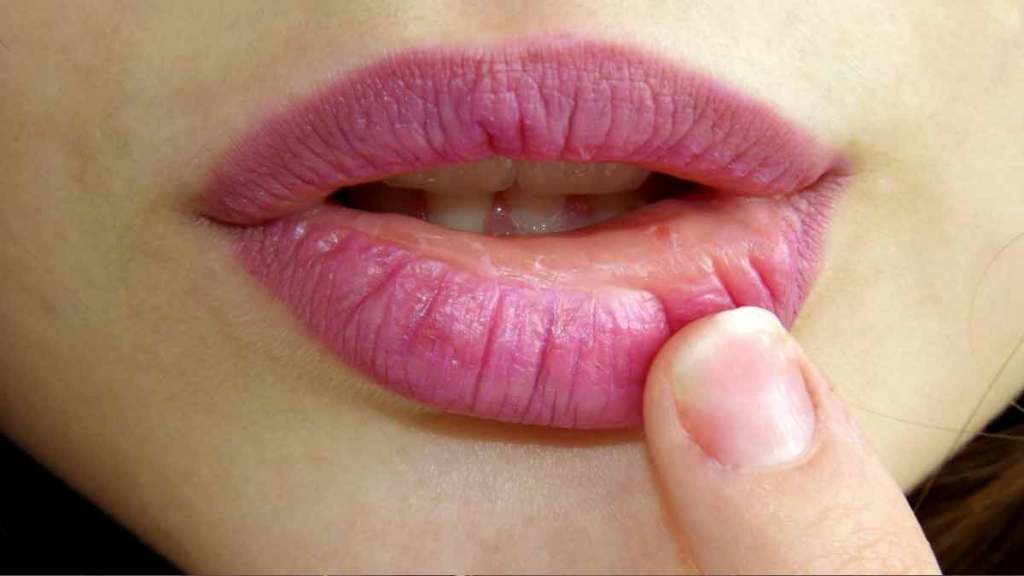
Comparison table: top lipsticks for mature skin
| Product | Price* | Finish | Key ingredients | Shades | Best for |
|---|---|---|---|---|---|
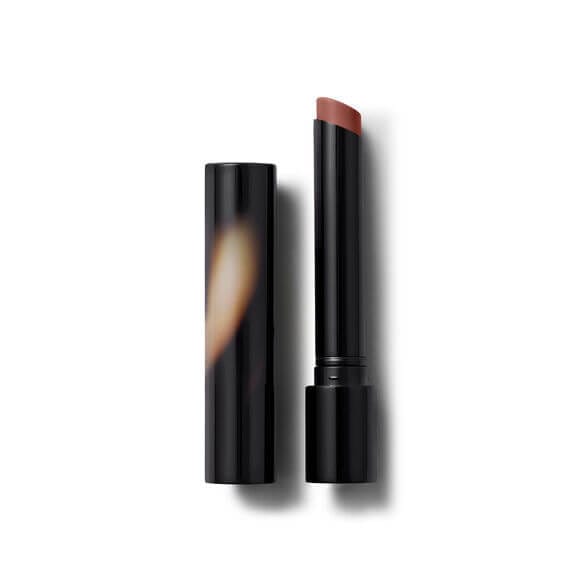
| Victoria Beckham Beauty Posh Lipstick | $$ (Buy Now) | Satin | Natural wax and oil blend, pomegranate–jojoba complex | 13 | Everyday glamour |
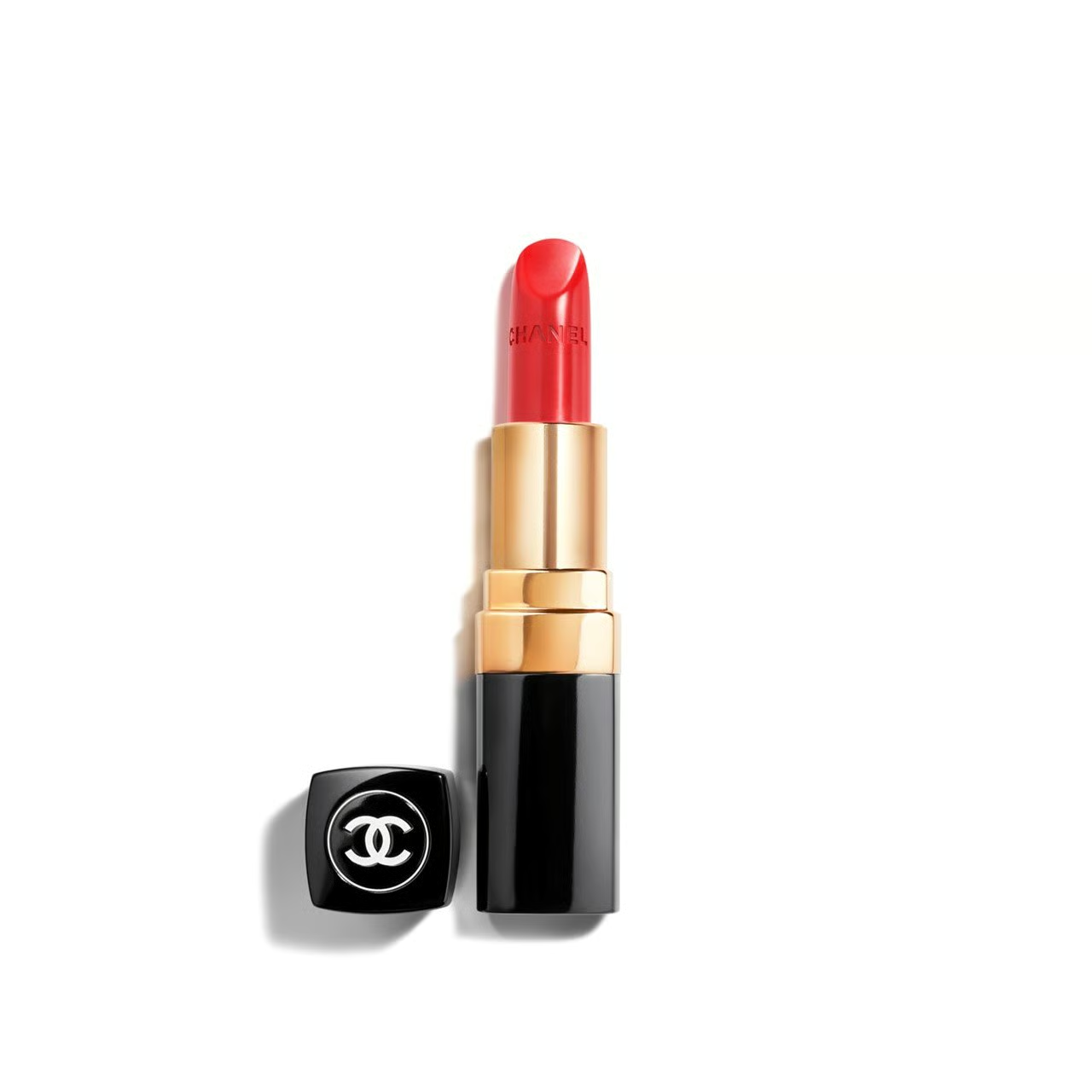
| Chanel Rouge Coco Ultra Hydrating Lip Colour | $$ (Buy Now) | Creamy satin | Mimosa, jojoba and sunflower waxes | 19 | Lightweight comfort |
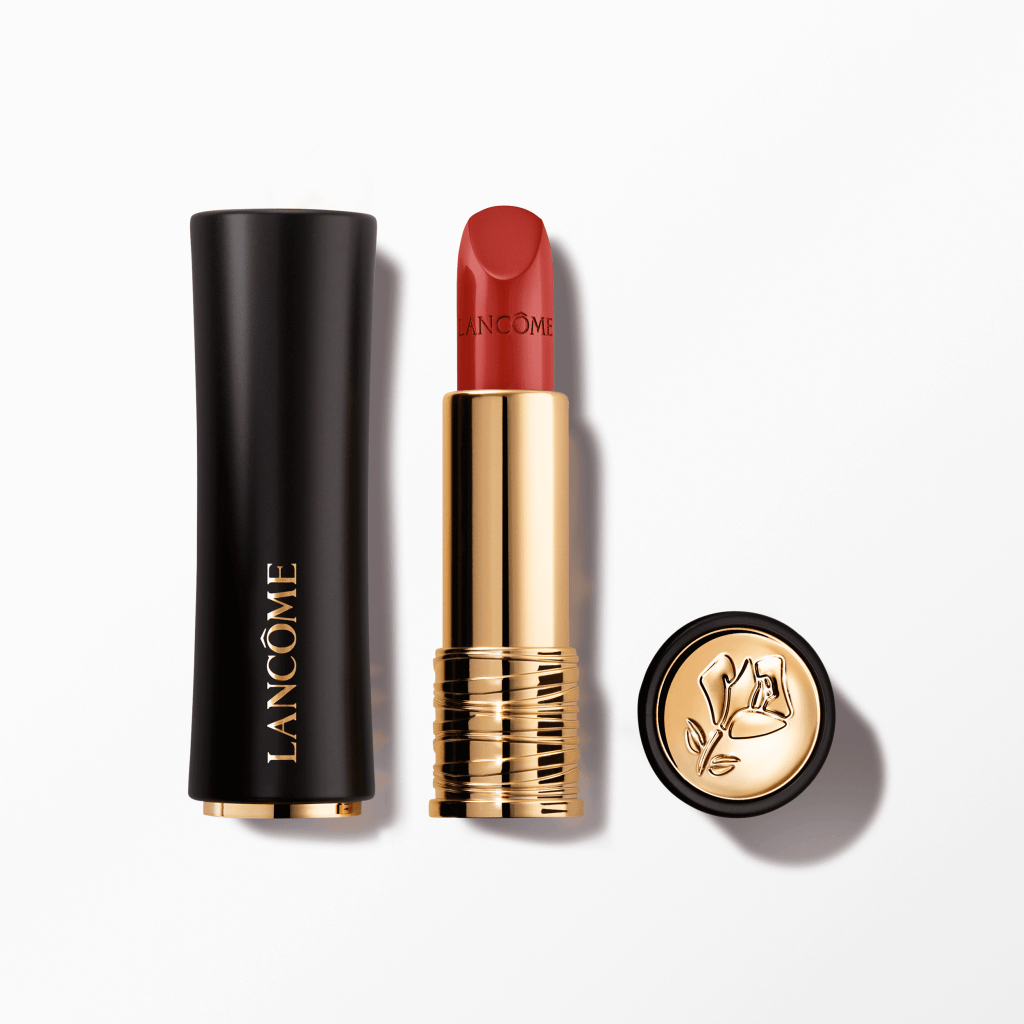
| Lancôme L’Absolu Rouge Moisturizing Cream Lipstick | $$ (Buy Now) | Satin | Rose balm, hyaluronic acid | 21 | Smudge-resistant wear |
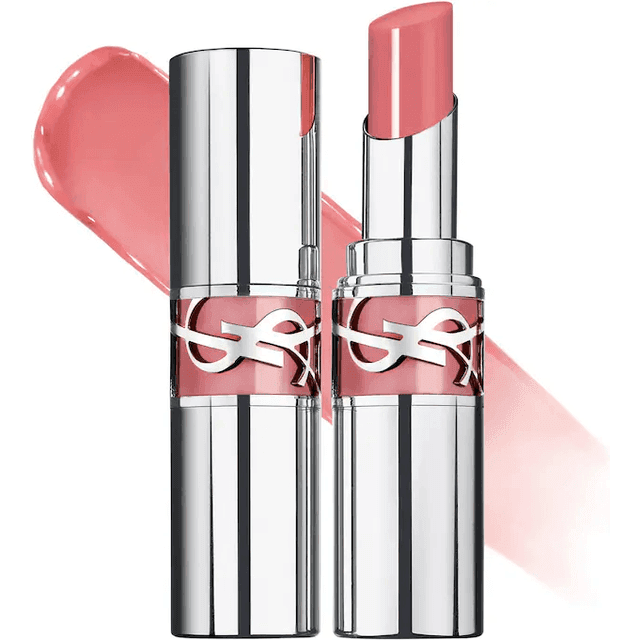
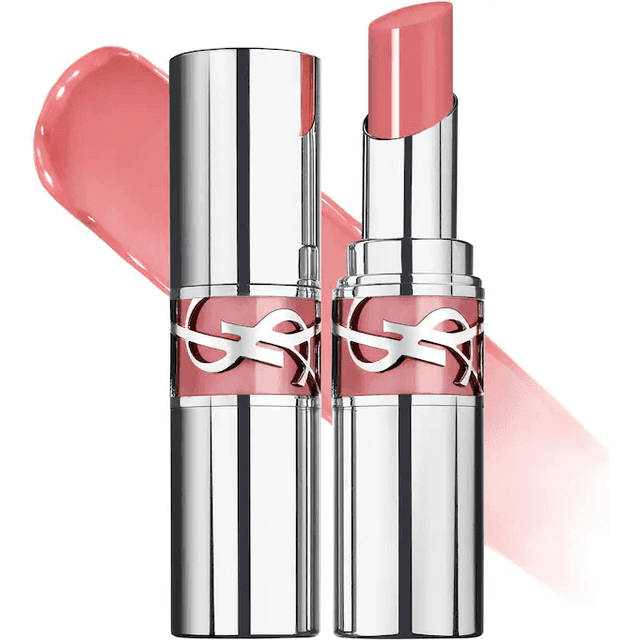
| YSL Loveshine Lip Oil Stick | $$$ (Buy Now) | Sheer glossy | 60 % oil base, fig pulp | 17 | Lip oil–lipstick hybrid |
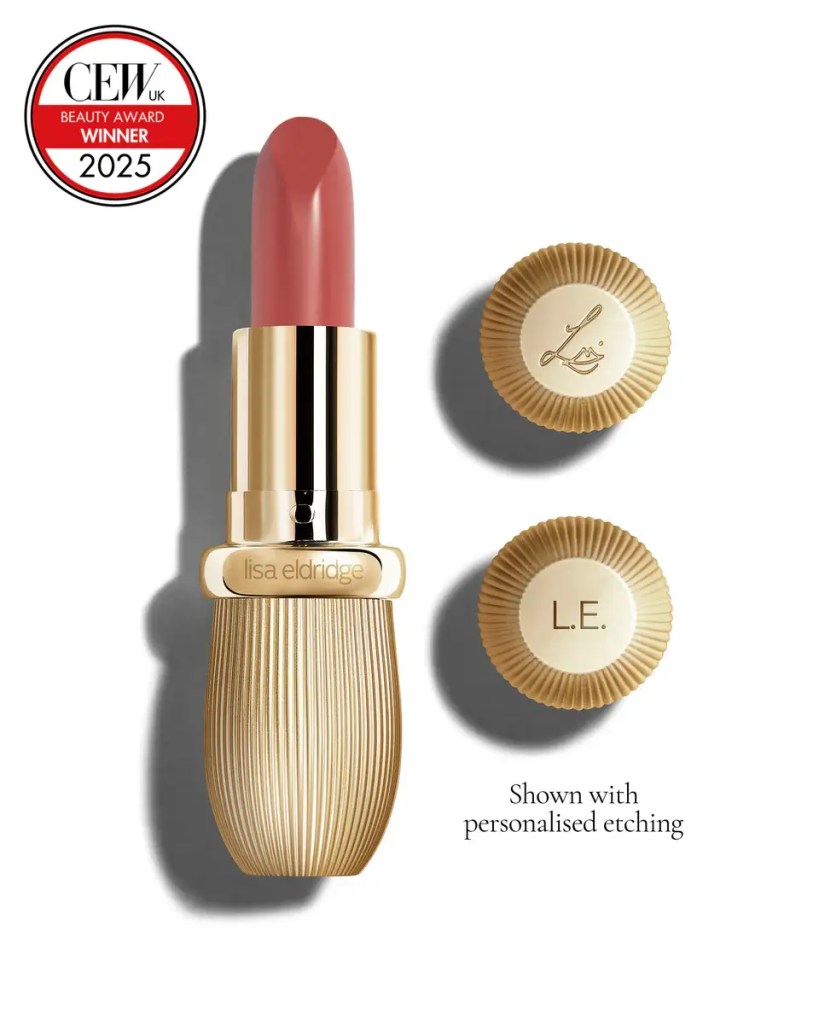
| Lisa Eldridge Rouge Experience Lipstick | $$$ (Buy Now) | Luminous satin | Blurring cream-gel texture | 8 | Filling fine lines |
| Anastasia Beverly Hills Satin Lipstick | $ (Buy Now) | Satin | Vitamin E, ester complex, capric triglyceride | 24 | Easy application |
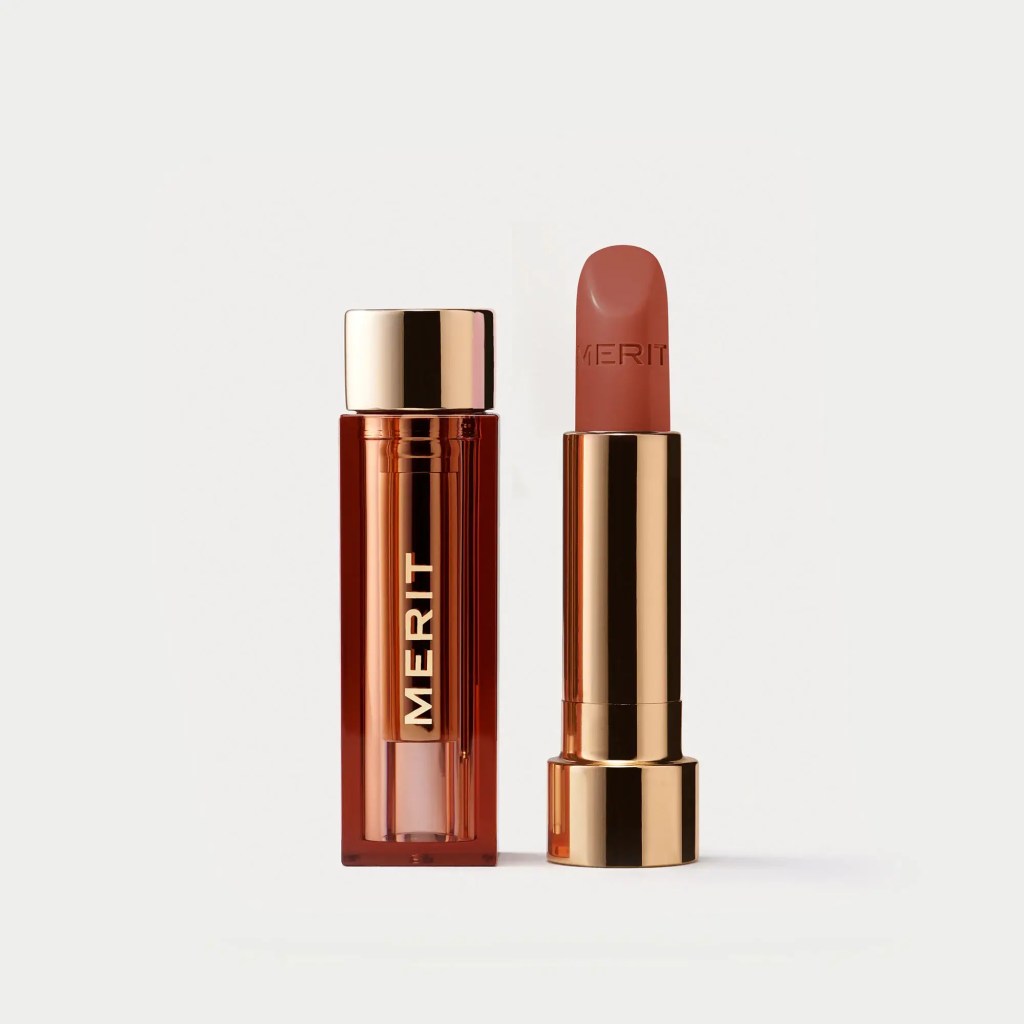
| Merit Signature Matte Lip | $ (Buy Now) | Soft matte | Hyaluronic acid, sesame oil | 8 | Hydrating matte finish |
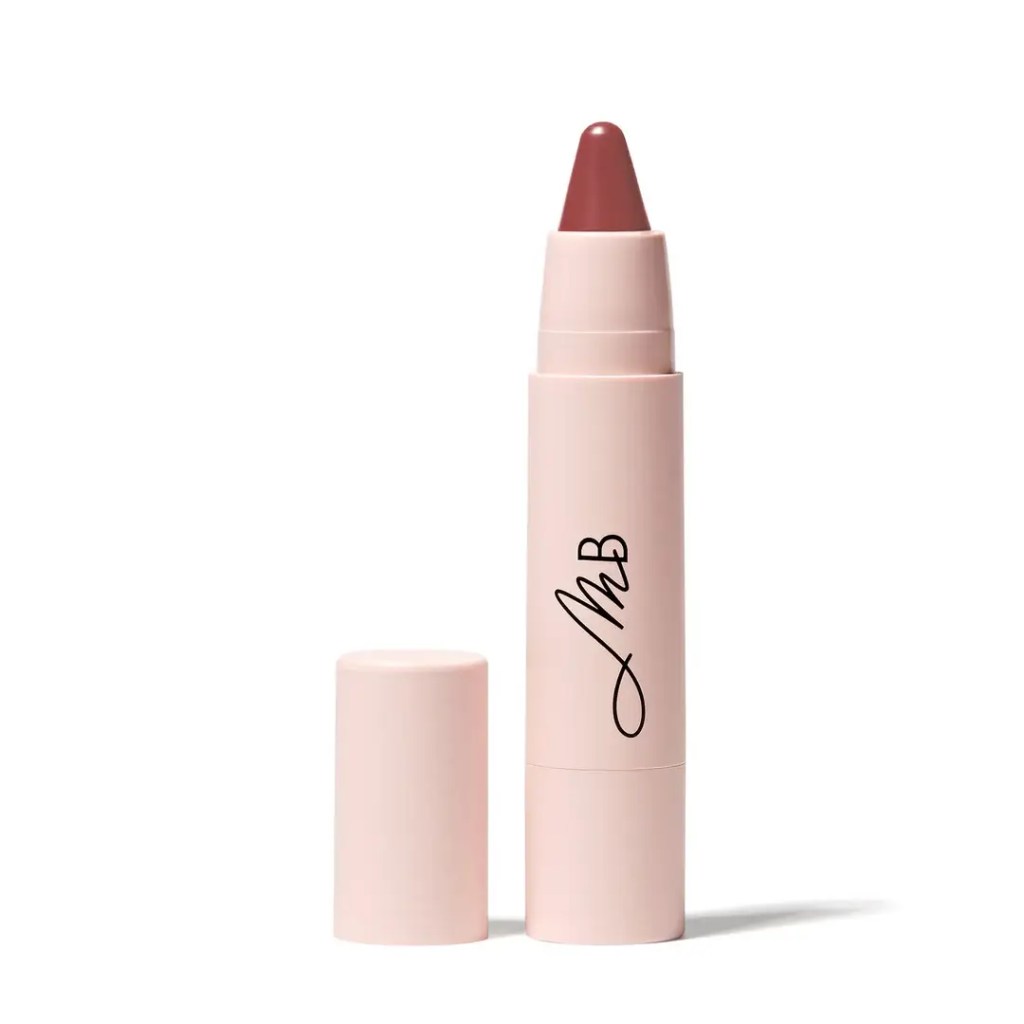
| Monika Blunder Kissen Lush Lipstick Crayon | $$ (Buy Now) | Satin | Castor seed oil, rice bran extract, shea butter | 9 | On-the-go touch-ups |
January 2026 Update: Lipsticks That Still Work Beautifully on Mature Lips
It’s January 2026, and I went back to retest my most-worn lipsticks to see which ones still look flattering on mature lips. Dryness, feathering, and settling into lines can change everything — so only the formulas that stayed comfortable and polished made this update.
- Palladio Long-Wear Cream Lip Color Liquid Lipstick (Nude):
This one surprised me in the best way. The formula is lightweight and creamy, yet it sets to a soft matte finish that doesn’t feel tight or drying. The color pigment is rich but smooth, and once it’s on, it stays put without transferring or cracking. I find it very forgiving on mature lips, especially when worn with a light lip liner. - Runway Rogue 90s Vibe Lipstick – ‘1993’ (Midnight Merlot):
If you love a deeper, classic lip, this shade is stunning. The moisturizing matte formula keeps lips comfortable while delivering that rich burgundy color inspired by the 90s. I like how it gives definition without making lips look dry or shrunken — a real win for mature skin and lips. - Bonie 12-Color Cream Lip Gloss Set: If you love options, the Bonie 12-color cream gloss set is such a fun, budget-friendly way to play. The texture is creamy and non-sticky, so I can add a soft sheen over any lipstick without feeling like my lips are glued together or my colour is migrating.
Product reviews
1. Victoria Beckham Beauty Posh Lipstick

Why It’s Great for Mature Skin
This luxe bullet immediately stole my heart. Formulated with a blend of natural waxes and oils and a pomegranate–jojoba complex, the Posh Lipstick offers rich pigment with a nourishing feel. I love that one swipe delivers full-coverage color that stays hydrating for hours. The texture is buttery yet not too shiny, so it doesn’t slide into lines. The complex slightly fills and plumps my vertical lip lines, giving the appearance of smoother lips.
Application Tips
I apply directly from the bullet for maximum payoff, then use my finger to press the color into the lips. Because it’s hydrating, blotting between layers helps the color grip. For precise edges, I pair it with a neutral liner and finish by dabbing a little highlighter on my cupid’s bow.
Pros & Cons
Pros: Creamy feel; hydrating blend of waxes and oils; fills fine lines; long-lasting color.
Cons: On the pricier side; some shades sell out quickly; can feel slightly waxy on first swipe.
2. Chanel Rouge Coco Ultra Hydrating Lip Colour

Why It’s Great for Mature Skin
Described by testers as lightweight and comfortable, this Chanel classic uses three vegetable waxes—mimosa, jojoba and sunflower—to lock in moisture. The creamy finish leaves a slight sheen and doesn’t highlight dryness. It’s perfect when my lips feel parched yet I want a polished look. Multiple coats can intensify the color without feeling heavy.
Application Tips
I prep with a thin layer of balm and outline my lips with a matching pencil. One coat gives a sheer wash; two coats build a deeper hue. For extra staying power I blot between layers and set with a tissue and a dusting of best setting powder for mature skin.
Pros & Cons
Pros: Ultra-moisturizing wax blend; lightweight feel; beautiful satin sheen.
Cons: Not completely transfer-proof; limited shade range; luxury price tag. (Best Luxury Foundation for Mature Skin)
3. Lancôme L’Absolu Rouge Moisturizing Cream Lipstick

Why It’s Great for Mature Skin
This wallet-friendly satin lipstick features hydrating rose balm and hyaluronic acid to boost moisture for up to eight hours. I appreciate that it’s smudge-resistant—meaning it stays inside my lip line even without a liner. The finish is chic and polished, and my lips never feel dry or cracked.
Application Tips
I glide on one coat straight from the tube for daytime and build up a second layer for evening. Because it’s smudge-resistant, I often skip liner and instead use a tiny brush to perfect the edges. A quick blot keeps the satin finish from transferring to my coffee cup.
Pros & Cons
Pros: Hydrates with rose balm and hyaluronic acid; smudge-resistant; comfortable wear.
Cons: Slight perfume scent; requires reapplication after meals; only a handful of bold shades.
4. YSL Loveshine Lip Oil Stick
Why It’s Great for Mature Skin
Part lip oil, part lipstick, this Best of Beauty winner is a dream for dry lips. It contains a 60 % oil base (including passionfruit oil) and fig pulp that wrap your lips in long-lasting moisture. The formula bridges the gap between a tinted balm and a traditional lipstick, delivering pigment that’s sheer yet noticeable. Commerce editor Sarah Han notes that it minimizes dryness and fine lines—something I’ve found to be true even on my worst lip days.
Application Tips
I treat this like a tinted balm: apply generously for a glossy finish or blot gently for a subtle tint. Because it’s oily, I skip heavy balm underneath and instead line my lips with a clear pencil to prevent migration.
Pros & Cons
Pros: Ultra-hydrating oil blend; sheer, juicy finish; comfortable even on chapped lips.
Cons: Less staying power than a traditional bullet; high price point; some may dislike the glossy feel.
5. Lisa Eldridge Rouge Experience Lipstick
Why It’s Great for Mature Skin
Celebrity makeup artist Nick Barose calls this the perfect texture for mature lips—it’s neither too matte nor too shiny. The cream-gel formula has blurring qualities that slightly fill and plump lip lines. I also adore the luxurious gold packaging and the fact that you can purchase refills, which feels both eco-friendly and indulgent.
Application Tips
This lipstick glides on like silk. For a diffused look I tap it on with my finger, concentrating in the center, and for full color I swipe it directly from the tube. A clear liner helps maintain crisp edges.
Pros & Cons
Pros: Blurring cream-gel texture; medium-to-full coverage; refillable packaging.
Cons: Higher price; limited shade range; may be hard to find in stores.
6. Anastasia Beverly Hills Satin Lipstick


Why It’s Great for Mature Skin
This budget-friendly satin bullet distributes color evenly and is loaded with moisturizing vitamin E and an ester complex that conditions with each swipe. Makeup artist Chloe Majdipour notes that satin finishes have more slip than matte formulas, making them easier to apply on dry lips. The formula also contains capric triglyceride—a blend of fatty acids from coconut oil and glycerin—that lends extra hydration.
Application Tips
Because this lipstick is highly pigmented, I like to dab it on with a lip brush for a softer look. It pairs beautifully with a clear gloss if you want added shine. Blot between coats to extend wear.
Pros & Cons
Pros: Affordable; hydrating ingredients; easy, even application; wide shade range.
Cons: Packaging feels lightweight; may need touch-ups after eating; color transfers on cups.
7. Merit Signature Matte Lip

Why It’s Great for Mature Skin
True mattes can suck the life out of mature lips, but Merit’s soft matte bridges the gap between a balm and a traditional matte formula. It includes hydrating hyaluronic acid and sesame oil to deliver moisture while still looking velvety. Allure’s creative director Amber Venerable praises how moisturizing it is and notes that the shade Vermillion—a true red—looks lived-in rather than stark. I’ve worn it through long days without feeling any tightness.
Application Tips
Start with a thin layer and build up color; this formula is surprisingly pigmented. Because it’s matte, ensure your lips are well hydrated but not slick. Blot between layers and use a pencil to define the edges. A light dusting of powder around the mouth keeps the velvety finish crisp.
Pros & Cons
Pros: Soft matte finish that doesn’t feel dry; hydrating ingredients; long wear time.
Cons: Small shade range; can cling to very dry patches if you skip prep; packaging is minimalist.
8. Monika Blunder Kissen Lush Lipstick Crayon
Why It’s Great for Mature Skin
This crayon combines the ease of a lip liner with the comfort of a balm. Its hydrating, super-soft formula glides on and doesn’t settle into creases. Castor seed oil, rice bran extract and shea butter nourish the lips, while the satin finish flatters everyone. Makeup artist Robin Black loves its 90s-inspired brick red shade Magdalena, but I’m partial to the true red Matilda.
Application Tips
The beauty of a crayon is you can line and fill in one step. I draw an “X” at my cupid’s bow to define the shape, fill the lips, then blot. For a diffused daytime look I blend the edges with my finger. The slim pencil fits easily into a purse for touch-ups.
Pros & Cons
Pros: On-the-go convenience; hydrating formula; doesn’t settle into lines; flattering satin finish.
Cons: Needs sharpening; limited shade range; soft texture may break if you twist up too far.
Seasonal Lip Strategy (Winter vs Summer)

Winter (radiator air = extra dryness)
- Use a HA + peptide balm at night (the combo NewBeauty calls out for smoothness).
- Choose cream/satin bullets; avoid alcohol-heavy long-wears on cracked lips.
- Add a touch of balm between layers (press, don’t smear).
Summer (UV + heat = feathering)
- Commit to SPF lip care (UV is a leading line-maker per Cleveland Clinic’s overview).
- Favor soft mattes or balmy stains; gloss migrates quicker in heat.
- Blot more; finish with tissue-powder trick.
Join the GlowOver50 Newsletter ✨
Stay in the loop with my latest makeup tips, skincare secrets, and honest product reviews — all tailored for women over 50. Subscribe today and keep that gorgeous glow going!
Frequently Asked Questions
What ingredients should I look for in lipsticks for mature skin?
Look for formulas rich in humectants like hyaluronic acid, which attract water to plump the lips, and peptides, which support collagen and help reduce vertical lines. Emollient butters and oils—shea butter, jojoba oil and sunflower oil—soften dry cracks. Natural wax blends can lock in moisture and prevent bleeding. For targeted care, see NewBeauty’s guide to smoothing lip lines.
Are matte lipsticks bad for mature lips?
Not all mattes are created equal. Traditional matte formulas can emphasize dryness and lines, but modern soft mattes combine a velvety finish with moisturizing ingredients. Merit’s Signature Matte Lip, for example, contains hyaluronic acid and sesame oil, making it surprisingly hydrating. (See the soft-matte discussion in Allure’s mature-lip roundup.)
How can I prevent my lipstick from feathering into fine lines?
Use a clear or matching lip liner to create a barrier and blot your lipstick between layers to remove excess emollient. Opt for hydrating formulas with waxes or gels that grip the lips and avoid very slippery glosses. Setting with translucent powder through a tissue can help lock in color without making your lips look dry. For persistent vertical lines, products containing peptides and hyaluronic acid can smooth the area—see NewBeauty’s explainer—and a medical overview like the Cleveland Clinic’s page on lip lines.
Which shades flatter mature skin tones?
Mid-tone berries, mauves, rosy neutrals and soft plums are universally flattering on mature complexions. They provide enough contrast to enhance your features without overpowering them. Classic reds with blue or neutral undertones can make your teeth look whiter and add glamour. Very dark or ultra-light colors may accentuate lip thinning and feathering.
Should I use a lip primer?
If you struggle with feathering despite using hydrating formulas and liners, a dedicated lip primer can help. Lip primers create a smooth base, fill tiny lines and grip pigment. Some primers include peptides and hyaluronic acid to plump the lips over time—an approach highlighted in NewBeauty’s lip-line smoothing guide. Apply a thin layer, let it set and then follow with your lipstick.
How often should I exfoliate my lips?
Gentle exfoliation once or twice a week removes dead skin so lipstick glides on smoothly. Use a lip scrub or make your own with sugar and honey. Over-exfoliating can irritate delicate lip skin, so be kind and follow up with a nourishing balm.
How do I build a custom nude that never washes me out after 50?
I treat “nude” like a recipe, not a single shade. First, I look at my natural lip color in daylight. If my lips are cool and mauvy, I start with a cool rose-mauve base; if they’re warm and peachy, I begin with a peach-rose. Going two steps deeper than my natural tone (instead of lighter) avoids that flat, concealer-lip look that can emphasize thinning. Texture matters just as much: on drier days, I reach for a satin bullet because the emollient, wax-rich formulas editors highlight in InStyle’s guide to lipsticks for older women cushion texture and sit more evenly than very matte formulas. I sketch my outline with a tone-match liner, slightly overlining only at the peaks of the cupid’s bow and the softest part of the lower lip; never drag the whole perimeter outward (that reads harsh). Then I lay down a mid-tone nude that’s 60–70% of the final color. To prevent the dreaded ring of product in lines, I press the first layer in with my fingertip, blot, and apply a second, thinner layer—this “blot and layer” method is a classic artist trick that NewBeauty’s lip-line smoother explainer also favors because removing excess slip helps pigment grip. Finally, I micro-mix: a pin-dot of pink in the center (to mimic healthy lip flush), then a touch of peach if I look sallow or a hint of mauve if I look too warm. If vertical lip lines are a recurring issue, the Cleveland Clinic’s overview of lip lines reminds us that repeated puckering and UV contribute to migration; a clear liner “speed bump” plus diligent medical guidance on lip lines and prevention and daytime SPF help the nude stay exactly where I put it.
What’s the complete anti-feathering routine that survives meals, heat, and long days?
My long-day routine starts before lipstick touches my lips. I do a 30-second prep: a thin balm, wait one minute, then blot so the surface isn’t slippery. Next comes a clear or tone-match liner right on the border—think of it as a flexible fence. If lines are pronounced, I also pat a whisper of translucent powder around the mouth; that creates a dry “landing strip” so color won’t creep. For the lipstick itself, I always use thin layers: one coat → press in with a fingertip → blot → a second, lighter coat. That sequence removes extra emollient (the main culprit behind traveling pigment) and mirrors the “blot and layer” technique beauty editors recommend in NewBeauty’s practical guide to smoothing lip lines. Finish with a tissue-veil set: lay a single ply of tissue over your lips and dust a touch of powder through it—this sets the color without building visible texture. In heat or humidity, I prefer a soft-matte or satin over a glossy balm; high-slip formulas tend to migrate faster in warm conditions. Hydrating mattes that read velvety—not chalky—are real now; Allure’s roundup of lipsticks for mature skin calls out modern soft mattes that include hyaluronic acid for comfort. Through the day, my rescue plan is quick: blot, clean the edges with a cotton bud, re-trace the liner, tap a tiny amount of lipstick (no full swipe), then tissue-veil again. If you’re constantly battling feathering, audit habits that deepen lines over time (straw sipping, smoking, sun). The Cleveland Clinic’s medical explainer on lip lines reinforces how prevention—SPF on lips, less puckering—pays dividends in makeup wear, too.
I want bold color (red, berry) but my lips are thin and dry—how do I pull it off without aging myself?
I love bold lips after 50—but the secret is structure + texture. First, I gently exfoliate (only once or twice weekly) and lay down a thin balm, blotting so the surface feels cushioned, not slick. Then I “scaffold” with a tone-matched liner: I trace the cupid’s bow, slightly overline only the highest points and the very center of the lower lip, and connect with feather-light strokes (no harsh outline). For reds, I pick neutral-to-blue undertones because they brighten teeth and look elegant in daylight—a trick that pops up frequently in Allure’s testing of mature-friendly lipsticks. If the bullet is very creamy, I use the press-and-blot approach between coats, which keeps the red in place. If I’m craving longevity, a soft matte (not a flat, drying matte) gives me that movie-star lip without emphasizing lines; the satin-and-soft-matte finishes InStyle highlights for older lips sit smoother and photograph beautifully. To balance thinness, I avoid ultra-dark berries that visually shrink the mouth; instead I pick mid-depth berries and classic reds. A tip I swear by: tap the tiniest dot of lighter, creamier lipstick or a non-slippy balm just in the center—it creates the illusion of fullness without risking edge migration. For evening, I add the tissue-veil set over one ply of tissue, which locks the look without crustiness. Finally, mind the edges through the night: carry a cotton bud and your liner for a 20-second rescue if you notice creep. Longer-term, remember that repeated puckering and UV deepen vertical lines; the Cleveland Clinic’s guidance on prevention and care plus humectants and peptides from NewBeauty’s lip-smoother overview keep the canvas friendlier for bold color week after week.
More for your base, tools & shade pairing
Want to dial in the rest of your routine? Explore these next:
- How to Choose Concealer for Mature Skin
- Luxury Foundations Over 50
- Best Foundation Brushes and Sponges for Mature Skin
- Top BB & CC Creams for Mature Skin
- Best Blush and Bronzer for Mature Skin 2025
Conclusion
Finding the perfect lipstick after 50 isn’t about settling for boring formulas—it’s about embracing products that enhance and celebrate our evolving beauty. By understanding how our lips change over time and choosing hydrating ingredients and flattering shades, we can wear bold reds, subtle nudes and juicy berries with confidence. I hope my testing journey—and all the little mishaps along the way—helps you discover your own holy-grail lipsticks. Have you tried any of these or found a formula that works wonders? Let me know in the comments below!
Lipstick is just one piece of the puzzle when building a flattering makeup routine. For a balanced eye-and-lip look, I soften the lash line using my eyeliner routine for mature eyes instead of pairing a strong lipstick with a heavy black ring. If you’re also looking to perfect your base, check out our guides on the best foundation for mature skin 2025 and Best Concealers for Mature Skin 2025. And don’t forget to explore the rest of GlowOver50 for advice on primer basics and flawless foundation techniques.