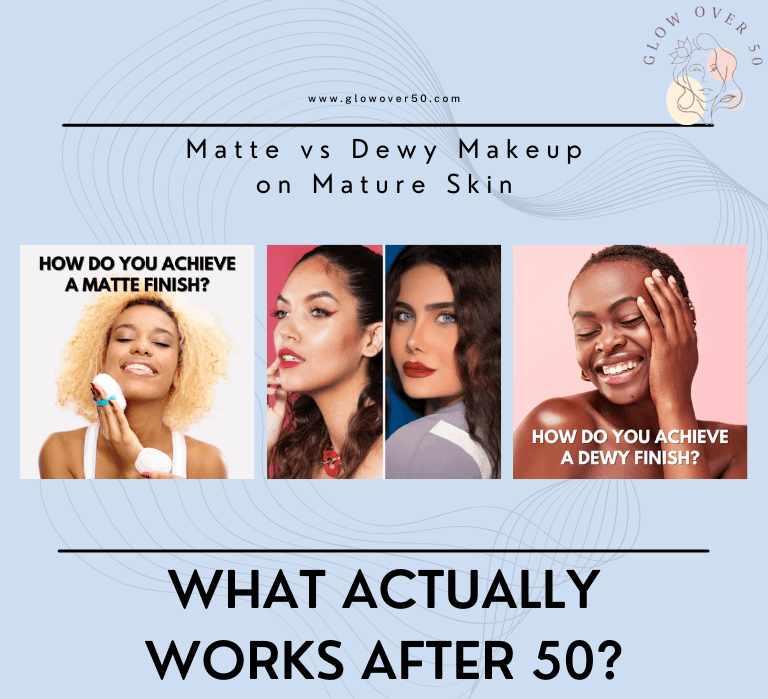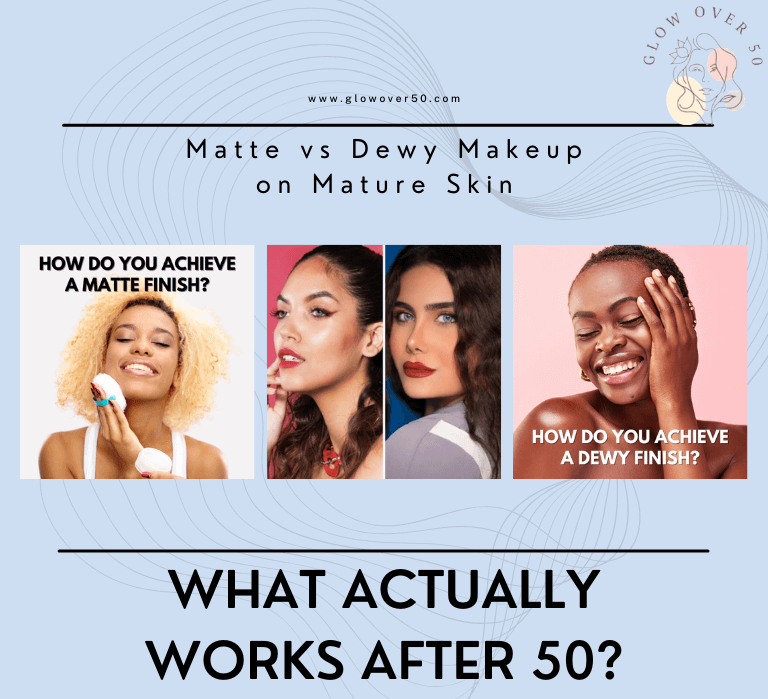
The decades-long debate between matte and dewy makeup gets even more nuanced for women over 50. In this blog, I break down exactly when and why each finish can flatter mature skin, and share all the tips for getting each look right. By the end of this guide, you’ll have a clear, personalized strategy (and a full product menu) to make your skin look smooth, healthy, and glowing — whether you choose a satin-matte or a luminous finish.


Table of Contents
Introduction
Aging is a privilege (we earned our lines and wisdom!), but it also means our once-everyday makeup habits sometimes stop working. I remember when I could swipe on a super-matte foundation and feel polished… then abruptly discover it was caking and settling in my smile lines. That’s exactly why I changed my approach in this routine for covering redness and rosacea after 50. Or I’d try the trendiest luminous primer and find it was highlighting every pore like a spotlight. If you relate, know you’re not alone.
As skin matures, its needs change. The National Institute on Aging explains that hormonal shifts—especially menopause—can make skin thinner and drier. The Cleveland Clinic – Dry Skin also notes that oil production slows with age, so the complexion loses its natural moisture barrier. In short, foundations start behaving differently: creasing here, fading there.
What this means is that your makeup finish (matte vs dewy) matters more than ever. A product that looked flawless at 30 might suddenly emphasize every crevice at 55, and vice versa. In this post, we’ll cut through the confusion. Whether your skin feels parched or your T-zone leans oily, I’ll help you pick the right finish (and products) so your makeup enhances you — not your lines or pores.
Before we dive in, you might want to get familiar with different formulas and shades. Check out GlowOver50’s guides on how to choose the right foundation for mature skin and the best foundation for mature skin, or browse our 2025 foundation picks for women over 50. These cover coverage levels, ingredients, and application tips that complement what we discuss here.
Quick answer
Here’s the nutshell: Dewy/radiant makeup usually looks most flattering on skin that feels dry, dull, or fatigued. Matte or natural-matte makeup can still look beautiful on mature skin — especially if your T-zone gets shiny or you need maximum longevity — as long as you pick a modern formula and prep properly. For many of us, the truth lies between: think a satin or soft-matte finish balanced with just enough luminosity.
- Go dewy if your skin is dry or looks lackluster. Light-reflecting formulas will bounce light and blur fine lines. (For example, a tinted moisturizer with glow or a light-coverage foundation.)
- Go matte/natural if your skin is oily or you want all-day hold. A “skin-like” matte foundation can keep shine in check and smooth out the look of pores. Just avoid anything labeled “ultra-matte” or super-heavy.
- Often, a combo works best. Many days I use a foundation labeled satin or natural matte and add a subtle cream highlight on my cheeks. It’s like the best of both worlds.
We can compare quickly:
| Finish | Best For | Pros | Cons | My Tip |
|---|---|---|---|---|
| Dewy / Radiant | Dry, dull, or crepey skin | Makes skin look healthy and glowy; blurs lines | Can emphasize oil or texture if overdone | Use primarily on cheeks and high points; keep T-zone lightly set |
| Satin / Soft Glow | Most mature skin types | Balanced light-reflection and wear | May still highlight pores under bright light | Use a primer on oily areas to prevent too much shine |
| Natural Matte | Combination skin, humid climate | Controls shine, looks smooth | Can accentuate dry patches if the skin is parched | Prep skin well with hydration, then apply thinly |
| Matte | Very oily skin, special occasions | Very long-wearing; very shine-free | Can settle into wrinkles; can look flat | Mix with cream blush/bronzer to add dimension |
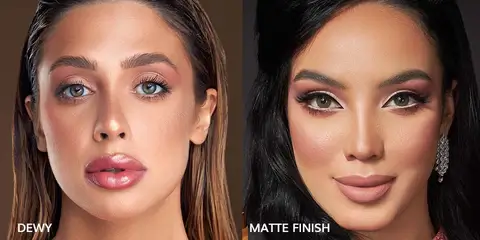

Why finish matters after 50
When we were younger, it often felt like we could throw on any foundation and be fine. Over 50? It becomes complicated. That’s because aging skin typically becomes thinner, drier, and less elastic. Loss of collagen and slowed cell turnover mean textures (pores, fine lines, uneven pigment) are more pronounced. In fact, the American Academy of Dermatology notes that lower estrogen levels during menopause contribute to thinner, drier skin and more visible wrinkles.
Because finish sits on top of the skin, it will highlight what’s going on underneath. A very dry matte base might leave you looking “mask-like” on areas that are flaky or creased. On the flip side, a very glossy makeup (think high-shine foundation) can make pores or swelling more noticeable. We’re working with skin that’s already changed, so we have to adapt.
That’s why prep is so important. I always start with skincare: a rich moisturizer, maybe a hyaluronic-acid serum, and then a primer that targets my issues (a blurring primer for texture, a hydrating primer for dry patches). From there, the choice of finish depends on the day. But if I step back and just look at my face in good light after cleansing, I can usually tell what it needs: a little glow or a bit of grip.
When dewy makeup works
I love dewy makeup, especially on those days when my skin needs a drink of water. It makes the whole face look plump and lit-from-within. Actually, Allure’s beauty editors often recommend creamy, illuminating foundations for mature skin, saying they “blur wrinkles” while flat mattes can “age you by highlighting texture.” Makeup artists on Byrdie similarly favor a satin or light-reflecting finish for older skin, noting that ultra-matte can flatten the face’s natural contours.


So, dewy (or satin-radiant) makeup is perfect if you have:
- Dry or dehydrated skin. A hydrating base will slide on smoothly and reduce flaky patches.
- Dull or sallow complexion. Glow revives tired-looking skin.
- Primarily fine lines (not deep wrinkles). Dewy finish makes lines soft and almost fade into the skin.
- Light to medium coverage preference. Tints, BB/CC creams, or light foundations often come in a dewy version. They even out tone without a heavy mask effect.
For many of us, dewy foundations are game-changers on a bad-skin day. They have buildable coverage but never look chalky. For example, I often mix a drop of luminous liquid highlighter into my regular foundation to turn it into a radiant version. Other days I swap foundation for something sheer: try a hydrating BB cream or tinted moisturizer (with glow). Our GlowOver50 guide on tinted moisturizers for mature skin lists great picks that cover lightly and add radiance. Even SPF-tinted lotions these days come with moisturizing ingredients, so they brighten the skin a bit.
To wear dewy makeup without turning into a disco ball, follow these steps:
- Prime smartly. Use a hydrating primer or serum under makeup. It boosts luminosity from within. At the same time, if you have oily spots, use a bit of a mattifying primer there. (One primer for cheeks, another for the nose can work wonders.)
- Apply thin layers. Dewy formulas can look cakey if caked on. I often pump a small amount onto the back of my hand, mix in a bit of hydrating serum or oil, and apply with a damp sponge in light layers.
- Put glow in the right places. I leave the center of my face (nose, chin, forehead) more neutral and concentrate the glow on the cheeks, cheekbones, and forehead center. Sometimes I even pat a tiny bit of reflective cream or liquid highlighter on the high point of the cheeks after foundation. (This is exactly what makeup pros suggest: a touch of cream highlight can mimic dewy skin without going overboard.)
- Set very selectively. Powdering is often the Achilles’ heel of mature makeup. To keep the fresh look, I avoid any loose powder on the cheeks. Instead, I lightly set only the areas that crease or oil up (usually just under the eyes and the sides of the nose). I use a finely milled translucent powder (our best powders recommendation list has my favorites) and apply with a fluffy small brush or a puff with a light hand.
- Final blend. After all makeup is on, I often use a clean damp beauty sponge to gently press everything together. This seals the foundation, melts any powder on the skin, and instantly softens harsh edges. It truly makes the makeup look like it’s part of my skin. (In fact, a big trend in beauty editing is to “press” foundation with a damp sponge to achieve that natural, skin-like finish.)
When done right, a dewy base glows with health. It can brighten up fine discolorations and give the illusion of plumper skin. On ladies with slightly textured skin, it diffuses the appearance of lines. But remember: if your T-zone gets oily, keep a napkin handy or do one of those little blotting passes mid-day to remove excess shine in that area, then re-blend with a light face mist or more glowing moisturizer.
When matte makeup works
Let’s give matte its due. Matte foundation has changed a lot from the cake-powder looks of old. Nowadays, you’ll find soft matte or skin-like matte formulas that wear beautifully. Matte can look very chic and airbrushed on mature skin, particularly if you need extra coverage or are in a hot, humid environment.


I personally reach for matte (or natural matte) when:
- My T-zone is slick. If I’m tired of midday shine and touch-ups, a matte base keeps the lid closed.
- I need bulletproof wear. For weddings, travel, or long days out, matte bases (often with built-in primers) can handle hours of heat and humidity without budging.
- I want higher coverage. Oil-free matte foundations often pack more pigment, so if I need to hide spots or even out redness, matte is a good option. When I need more coverage for facial redness, I still keep it thin and strategic, like I explain in how I cover redness after 50 without looking cakey.
Now, the key to matte: prep and blend. Even if your finish is oil-free, you still have to care for your skin underneath. I always start with the same hydrating routine, then maybe a smoothing (silicone) primer so the matte powder has something to grip. I apply matte foundation in the same thin layers as I would a dewy one, usually with a damp sponge for best adherence.
If your skin is dryer, only then do I add powder. Otherwise, that’s the beauty of modern matte formulas: they often set themselves with ingredients that don’t look dry. Many GlowOver50 readers love NARS’s Soft Matte or IT Cosmetics CC+ (matte version) as examples that stay hydrated-looking. Makeup experts at Byrdie found that with the right base prep, women over 50 still looked great in matte formulas, because the foundation had beneficial moisturizers in it.
To avoid matte pitfalls, follow these steps:
- Hydrate and prime first. Even a matte foundation needs a good moisturizer under it. Skip makeup on completely dry patches. Choose a blurring primer (maybe one with a bit of matte action in the T-zone only, leaving cheeks alone).
- Apply gently. Use a sponge or brush to press matte foundation in. Don’t drag it on. Build coverage slowly, focusing on trouble spots.
- Blot before you power. If any shine appears, blot with a tissue. Then, if needed, set only the shine-prone zones with translucent powder. (Never set the entire face – that traps texture.)
- Bring back some glow. A matte face can look a bit flat, so after everything is set, I grab a cream blush or bronzer and add it to the cheeks. This warms up the face and keeps it looking natural. Sometimes I even sweep a touch of satin highlighter just on the tops of cheeks. This step is actually recommended in many mature-makeup tutorials: pairing matte foundation with a dab of glow on the high points.
- Use a fine powder. If you really need powder, use a finely milled, tinted powder. I personally love the finishing powders listed in our best powders for mature skin guide because they blur rather than cake. Apply it with a soft brush or damp sponge very lightly – think dust, not coat.
Matte doesn’t have to age you; it can just give your skin a velvety finish. The trick, as with dewy, is balance. Dry mature skin under a matte product looks unnatural. But hydrated skin under a matte foundation can look beautifully smooth and even, especially in photos. For instance, in makeup trials, Allure editors found that women’s complexions looked most even with lightweight satin or mattes, as long as the products were moisturizing. The product, not the finish itself, was the star.
How to pick the right finish for you
If you’re still unsure which path to take, ask yourself these morning questions:
- How does my skin feel? If it’s tight or flaky, lean into dew. If it’s slick or shiny, lean matte.
- How do I want to feel? Are you going for a natural, glassy vibe, or a polished, “finished” look? Let your mood decide a bit.
- What’s the weather/occasion? Hot day or outdoor event might favor matte, while a cold dry climate or evening indoors might favor dew (so skin looks hydrated).
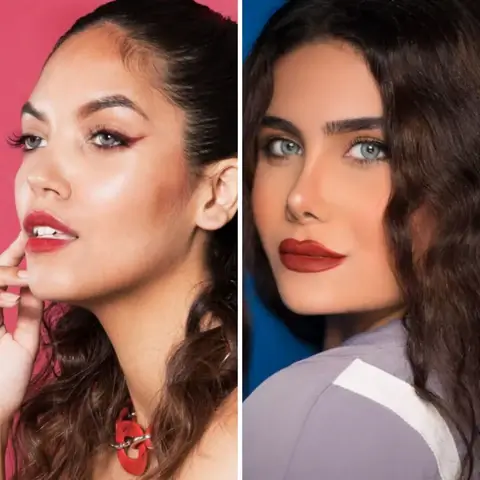
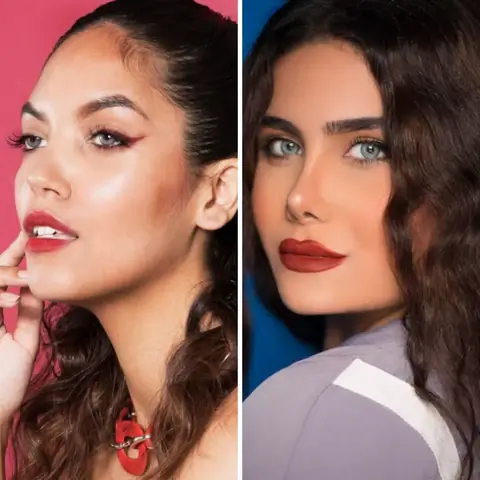
Often, I find myself mixing: For example, on a humid day I might use a matte foundation but dot on a luminous blush or add a swipe of cream highlighter. Conversely, if I want glow but worry about longevity, I might use a dewy tinted moisturizer and set only the T-zone. The flexibility is the power here.
Remember, makeup is about having fun with your look. You can even do half your face matte and the other half dewy and see which you prefer (I kid, but testers sometimes do these split tests!). The experts like Allure and Byrdie all agree: it’s about the combination of products. A bit of translucent powder here, a touch of highlight there, can make either finish flattering.
GlowOver50 Tips and Product Picks
Now for a quick-fix cheat sheet of products and tricks that have worked for me and other GlowOver50 readers:
- Tinted Moisturizers & Serum Tints: These are like skincare-makeup hybrids. They typically offer hydration and a hint of glow with light coverage. If you want sheer and easy, see our pick of best tinted moisturizers for mature skin. These usually have ingredients like hyaluronic acid or niacinamide that soothe dry skin.
- SPF Tints: Don’t skip sun protection! There are many sheer tints with SPF. Our article on tinted moisturizers with SPF for over 50 has favorites that keep skin safe and dewy.
- Primer Splits: I often treat my face differently: a mattifying primer on my oily spots and a hydrating primer on drier areas. For example, a drop of hydrating primer mixed into foundation can seriously boost dew. Check out our best primers for mature skin for ideas on what to use where.
- Layer Wisely: Foundation is only the base. I always conceal with a small brush exactly where needed, then set concealer (especially under eyes) with a touch of powder. The rest of my face is sometimes left unset for that lived-in skin look. Our makeup layering routine guide explains the exact step-by-step I follow.
- Use Creams Liberally: Whether matte or dewy, cream blushes and bronzers are your best friends. They add color without messing up foundation. A tiny dab of cream blush on the apples of cheeks will bring youth back to any matte face.
- Setting Powder: If you need it, use it sparingly. My favorite is a sheer, finely milled powder. You can see our recommendations in Best Setting Powders for Mature Skin. These keep oil away without looking chalky. If I ever “bake” under eyes (rarely), I let it sit only a few seconds and then brush off the excess — that prevents flakiness.
- Blot or Mist: Don’t forget, you can always blot away shine and then re-dewify. A tiny spritz of hydrating facial mist (even a mix of glycerin + water at home) can take the powderiness off and make everything look natural again. This tip is life-saver when mixing finishes.
Plain-Text Comparison Table
| Finish | Look On Mature Skin | Works Best For | Watch Out For | Tip |
|---|---|---|---|---|
| Dewy | Radiant, luminous | Dry, tired, uneven skin | Can look oily or emphasize pores if overdone | Add a bit of glow only on cheeks, leave T-zone semi-matte |
| Soft/Satin | Natural glow | Most skin types | Still shines on oil-prone areas | Use a smoothing primer under oily spots |
| Natural Matte | Soft-matte finish, “skin-like” | Oily/combination, hot weather | May cling to dry lines | Hydrate well underneath; apply thinly |
| Matte | Powdery, porcelain finish | Very oily, long wear | Flattens face, catches on wrinkles | Only use when needed, blend with a cream blush |
Final verdict and call-to-action
So… should you pick matte or dewy after 50? My honest answer: it depends on the day and your skin. Both finishes can be gorgeous — when chosen for the right reasons. On a dry winter day, I might crave a luminous cushion. On a humid summer outing, a lightweight matte CC cream might be just what I need. The best foundation finish is the one that makes you feel confident and looks like you, only fresher.
Ultimately, makeup is about expressing yourself. If sparkly glow makes you smile, rock it — just balance it out so you don’t end up looking like a lampshade. If velvety matte makes you feel polished, go for it, and then gently warm up your cheeks and lips to keep the look natural. And remember: the products matter. As multiple sources have found, makeup that contains hydration and blends easily is what really wins for mature skin.
Now I want to hear from you! Are you Team Matte or Team Dewy? What foundation or tinted moisturizer has been your holy grail after 50? Share your tips in the comments below so we can all glow together (or share blotting-sheets secret weapons!). We’re in this together — and whether you shine or stay satin, we’ve got this beautiful journey covered!
Join the GlowOver50 Newsletter
Stay in the loop with my latest makeup tips, skincare secrets, and honest product reviews — all tailored for women over 50. Subscribe today and keep that gorgeous glow going!
FAQ
What is the best makeup finish for mature skin if my foundation keeps settling into wrinkles?
This is probably the number one question I get whenever we talk about matte vs dewy makeup for mature skin, and honestly, I understand why. Once foundation starts collecting around the mouth, settling into smile lines, or making crow’s feet look more obvious, it’s very tempting to blame the finish alone. But in my experience, it’s usually not just “matte” or “dewy” causing the problem. It’s the whole combination of skin prep, product texture, layering, and how much makeup you’re applying.
If your foundation keeps settling into wrinkles, the best finish is usually a soft satin, natural radiant, or skin-like finish rather than anything too flat matte or too slippery dewy. I find that very matte formulas can make texture look more obvious when the skin is dry, while very dewy formulas can move around too much and collect in lines if they never quite set. That’s why I nearly always point women first to a more balanced formula from my guide to the best foundation for mature skin or one of my favorite wrinkle-proof foundations that don’t settle into lines.
The next big thing is prep. Truly, I cannot overstate this enough. Before you even decide whether you want a matte or dewy base, your skin has to be prepped properly. If you skip hydration, or pile makeup on top of skincare that never absorbed, the finish will fight you all day. That is one of the biggest reasons foundation separates on mature skin. That’s exactly why I always go back to how to prep mature skin for foundation and my exact makeup layering routine for mature skin. Those two steps alone can make the same foundation look ten times better.
I also think many women accidentally make this worse by over-applying. We want coverage, so we keep adding more, and then suddenly the makeup looks heavier, drier, and older. That’s where my guide on how to avoid common foundation mistakes on mature skin really helps, because a lot of the “bad finish” problem is actually a “too much product in the wrong place” problem.
And tools matter too. I almost always get a smoother, less crease-prone finish when I use one of my favorite best foundation brushes and sponges for mature skin and press product in gently instead of dragging it across the face. Then, if I still need more coverage, I don’t keep layering foundation everywhere. I switch to targeted concealing with the help of how to choose concealer for mature skin and my roundup of the best concealers for mature skin.
So my honest answer? If foundation keeps settling into wrinkles, don’t chase extremes. Go for a flexible, skin-like finish, prep the skin properly, apply less than you think you need, and let targeted concealer do the extra work. That usually gives the most flattering result after 50.
Is dewy makeup good for mature skin, or does it make pores and texture look worse after 50?
I actually think dewy makeup for women over 50 can look absolutely beautiful — but only when it’s the right kind of dew.
That’s the key.
A soft, healthy glow can make mature skin look fresher, more rested, and less flat. It can also soften the look of fine lines because the skin reflects light in a gentler way. But if the product is too glossy, too slippery, or too wet-looking, then yes, it can absolutely draw attention to texture, enlarged pores, and movement around the nose and mouth. So when women ask me, is dewy makeup good for mature skin? my answer is yes — just not the greasy kind.
I usually recommend dewier finishes most strongly for women whose skin feels dry, looks dull, or turns papery under matte makeup. In those cases, a light radiant base often makes the face look healthier right away. That’s why I so often recommend starting with lighter complexion options like my best tinted moisturizers for mature skin, these tinted moisturizers with SPF for over 50, or my favorite top BB & CC creams for mature skin. These formulas tend to give a friendlier, easier glow than a heavy full-face dewy foundation.
I’ve also noticed that dewy makeup becomes much easier to wear once the seasons change. In colder months, for example, I reach for more flexible, hydrating base products from my best winter makeup for mature skin guide because mature skin often needs that extra comfort. That’s when glow can look really flattering instead of too much.
If you want that polished radiant look rather than obvious shine, I’d pay attention to formulas that are more “beautiful skin” than “wet skin.” Two great examples of that kind of finish are my Charlotte Tilbury Beautiful Skin Foundation review and my Pat McGrath Skin Fetish Foundation review. Both sit in that sweet spot where the skin still looks alive, but not slick.
This is also where skincare changes everything. The American Academy of Dermatology’s guidance on caring for skin during menopause explains that menopausal skin often becomes drier and thinner, which is one reason very flat makeup can suddenly stop looking flattering. And the National Institute on Aging’s skin care and aging guide also reinforces what so many of us notice in real life: older skin simply doesn’t behave the way it used to.
So yes, dewy makeup can be wonderful after 50. I just think the most flattering version is a controlled, grown-up glow. Think fresh cheeks, softly radiant skin, and strategic shine — not a face that looks like it never set.
Does matte makeup make you look older after 50, and how do I keep it from looking dry or cakey?
This is such a common fear, and I really think matte makeup has gotten a bit of an unfair reputation.
Does matte makeup make you look older? It can — but only when it’s the wrong matte, on the wrong skin day, applied in the wrong way.
A modern matte finish can actually look incredibly elegant on mature skin, especially if you have combination skin, a shiny T-zone, or you need your makeup to stay put all day. The problem is that many women hear the word “matte” and immediately picture that old-school, flat, powdery foundation that sits on the skin like chalk. That kind of matte usually is aging. But soft matte, natural matte, and blurred satin-matte formulas are a different story.
When I want matte makeup to look flattering after 50, I always start with the base. A dry face under a matte foundation is just asking for trouble. That’s why I prep with one of my favorite best primers for mature skin, and I also think my article Primer 101: do older women need primer? really helps if you’re still not sure where primer fits into your routine. On mature skin, primer is less about making makeup “last forever” and more about giving foundation something smooth and hydrated to sit on.
Then comes powder. This is where so many matte looks go wrong. Women often think if they want longevity, they need to powder everything, but that’s usually what creates that tight, older-looking finish. I get much better results when I use the techniques from how to apply setting powder for mature skin and stick to the products in my best setting powders for mature skin guide. The trick is to set only where you really need it — usually around the nose, chin, and maybe the center of the forehead — instead of dusting the whole face.
When it comes to actual foundations, I think matte is easiest to wear when the formula still has movement and flexibility. A lot of women find good options in my top luxury foundations for mature skin or my more budget-friendly best drugstore foundations for mature skin roundup. And if you want a good example of a more forgiving mature-skin foundation that doesn’t go flat or dead on the face, my No7 Lift & Luminate review is a helpful one to compare against stronger matte formulas.
I also think application technique matters more than the label on the bottle. This is exactly why I love the practical advice in Allure’s guide to applying foundation to mature skin. Thin layers, gentle pressing, and resisting the urge to “perfect” the face with more product usually lead to a much younger-looking finish.
So no, matte makeup is not automatically aging after 50. What ages the face is dry prep, too much powder, too much product, and the wrong texture. A soft matte base with hydration underneath can look polished, refined, and beautiful.
How do I get a natural glow after 50 without looking greasy, shiny, or overdone?
This, for me, is the real sweet spot conversation — because a lot of us don’t actually want a super dewy face or a super matte face. We want to know how to get a natural glow after 50. Not greasy. Not glittery. Just fresh, healthy, and softly lit.
The first thing I’d say is this: glow shouldn’t come only from foundation. If you rely on one really shiny base product to do all the work, the result can look too reflective too fast. I get a much prettier finish when the glow is built in layers: a bit of hydration in the prep, a skin-like base, a cream blush or bronzer, maybe a soft highlight, and only minimal powder where needed.
That’s why complexion products beyond foundation matter so much. My guide to the best blush and bronzer for mature skin is a huge part of this, because the right cheek products bring life back into the face without needing a glossy base everywhere. And when I want a polished finish that still feels modern, I pair that with one of my favorite best lipsticks for mature skin, because a creamy lipstick often makes the whole face look fresher and less harsh. When I want an even lighter finish, I choose one of my favorite tinted lip balms for mature lips. If feathering is the concern, my guide to the best lip liners for mature lips helps choose a pencil that adds definition without creating a hard ring.
For highlight, I’ve become much pickier after 50. I don’t love obvious sparkle anymore, especially near texture. I want that grown-up “light bouncing off healthy skin” look. That’s exactly why I like products like the CHANEL Baume Essentiel review for mature skin. It gives that kind of glow that looks elegant instead of stripey.
If you like more coverage but still want radiance, I’d look at formulas that naturally sit in that soft luminous lane, like my IT Cosmetics CC+ Cream review or the more polished satin-radiant feel in my Lancôme Rénergie Lift Foundation review. Both show that you can absolutely have coverage and glow together, as long as you don’t overload the skin.
I also think glow looks better when the skin underneath isn’t thirsty. The Cleveland Clinic’s explanation of why dry skin gets more common with age really lines up with what so many of us see in the mirror: when the skin is dry, makeup doesn’t glow — it just sits there. That’s why I always say healthy-looking glow begins with comfort and hydration first.
So if you want a natural glow after 50, my formula is simple: hydrate well, use less base, add life back with cream cheek products, highlight sparingly, and don’t powder away every bit of radiance you just created. The prettiest glow is the one that still looks like skin.
What primer, concealer, powder, and application steps make matte or dewy foundation actually work on mature skin?
This is the “put it all together” question, because the truth is that neither matte nor dewy foundation works well in isolation. The products around it are what make the finish succeed or fail.
If I’m doing a base on mature skin, I think in this order: prep, primer, base, targeted concealer, strategic powder, then finishing touches. That order matters more than most people realize. It’s exactly why I keep pointing women back to my exact makeup layering routine for mature skin, because when things go wrong, it’s often the sequence — not just the products.
For primer, I choose based on what the skin is doing that day. If I’m dry or dull, I reach for something hydrating and smoothing. If I’m more combination, I’ll often use hydration on the cheeks and something more blurring around the nose. That’s why my best primers for mature skin list is so useful — mature skin usually needs a little customization.
For foundation application, tools matter a lot. A brush can give more coverage, but a damp sponge usually gives me the most forgiving finish. It presses the product in and removes excess before things can build up in lines. That’s exactly why I keep one of my favorite tools from the best foundation brushes and sponges for mature skin guide nearby every single time I do my makeup.
Then comes concealer. I never try to fix everything with foundation. That almost always makes the face look heavier. I’d much rather apply a light, thin layer of base and then go in only where I need extra help using the techniques in how to choose concealer for mature skin. That approach keeps the skin looking more real and less “made up.”
Powder is where restraint becomes your best friend. I do believe mature skin can absolutely wear powder — beautifully, actually — but only when it’s the right powder in the right amount. That’s why I rely on best setting powders for mature skin and keep the application light and focused. If I’m wearing a dewier base, I may powder only my T-zone. If I’m wearing a matte base, I may barely need powder at all.
So if you’re trying to make matte or dewy foundation work after 50, here’s my real answer: don’t think of the foundation as the whole routine. Think of it as one part of a system. The right prep, the right primer, the right tool, the right concealer placement, and the lightest possible powdering are what make the finish look flattering, fresh, and grown-up instead of dry, greasy, or overdone. That’s where the magic actually happens.