If you’ve noticed that makeup settles into fine lines or dry patches more easily these days, a good primer can be a game-changer. In simple terms, a primer is a light base you apply before foundation. For my full cold-weather routine, see Best Winter Makeup for Mature Skin. It “primes” your skin for makeup by creating an even canvas. As Healthline explains, primer “creates a more even surface so you need less foundation,” helps makeup last longer, and prevents caking. In practice, this means primers glide over wrinkles and blur imperfections. Beauty experts note that pore- and line-filling primers “fill in the appearance of enlarged pores, fine lines, and wrinkles, creating a smooth canvas for foundation”. This smoothing effect is exactly why mature skin often benefits from a primer.
Table of Contents
Aging skin tends to be drier and thinner (collagen and elastin decline with age), so texture changes and fine lines become more visible. A well-chosen primer can address these changes. It locks in moisture (improving dry patches), slightly plumps skin, and can even add a subtle glow. In short, the right primer acts like a friendly base coat that helps makeup sit smoothly and last longer. Many women over 50 find primers make their foundation go on nicer and wear all day. As one makeup pro puts it, primers not only “create an even base for makeup application” but also can minimize pores, control shine, and boost hydration. In other words, primer for mature skin can help your makeup look more polished by tackling common concerns before you add color. For more on groundwork before makeup, check out our How to Prep Mature Skin for Foundation guide.

Types of Primers for Mature Skin
Not all primers are the same. When we say “primer,” think of it like picking the right glue under the paint – you choose it based on what your skin needs. Not sure which actives play nicest under primer? Here are the skincare ingredients I rely on after 50. Common primer types include:
- Hydrating Primers: These are often gel or lotion-like and packed with ingredients like hyaluronic acid or glycerin. They give thirsty skin a moisture boost and temporarily plump up fine lines. Hydrating smoothing primers are famously good for mature skin – they literally help to plump the skin and deliver a radiant, glowing finish. For example, our review of the e.l.f. Hydrating Face Primer highlights how it “locks moisture into the skin while filling in fine lines and blurring imperfections”. Allure also notes that primers infused with nourishing extracts can “hydrate the skin and help blur the appearance of pores, fine lines, and wrinkles”. In short, hydrating primers smooth out texture by adding moisture – ideal if you have dry patches or crepey areas.
- Pore-Filling/Blurring Primers: These often contain silicones or velvety powders that literally fill in pores and very fine lines. A popular example is Smashbox Photo Finish Primer: its silky texture blurs imperfections and minimizes pore appearance (so makeup goes on like butter). Byrdie beauty experts explain that pore-minimizing primers “save the day” for uneven texture – they fill in enlarged pores and wrinkles to create a smooth canvas. If large pores or uneven texture is a concern (common around the nose or cheeks), a blurring primer is your go-to. (Check out our Best Primers for Mature Skin in 2025 guide to see top picks across different needs.)
- Mattifying Primers: These are designed to absorb excess oil and give a more matte finish, making them great for combination or oily areas (like the T-zone). For example, a primer with a slightly powdery or silica-based formula can keep midday shine at bay. Prevention’s experts note that some primers can “control shine for oily skin types”, which means they help keep oil in check without making dry areas flake. If your skin still gets greasy or your forehead glows by noon, try a mattifying primer on oily zones and a more hydrating one elsewhere.
- Illuminating (Radiant) Primers: These primers contain light-reflecting pearls or subtle tint to brighten the complexion. They’re sometimes called “illuminating” or “luminizing” primers. They brighten dull areas – especially nice for cheeks or under the eyes. For example, a primer with a pink or golden sheen can even out tone and give a lit-from-within glow. (Allure’s reviews highlight primers that brighten skin while offering hydration.) If age spots or uneven tone concern you, an illuminating primer with a hint of tint can visually diffuse discoloration by scattering light. However, use these sparingly: in textured areas they may make bumps more obvious. These are great when you want a little glow peeking from under your foundation.
Each primer type addresses different goals. You might even use two primers on different zones (a mattifying primer on your oily T-zone and a hydrating primer on cheeks, for instance). The key is to match your skin’s needs: moisturizing primers for dry areas, blurring primers for texture, etc.
Common Concerns and How Primers Help
As we age, certain skin concerns tend to pop up, and the right primer can help tackle them:
- Large Pores: Extra oils and collagen loss can make pores look bigger. A pore-minimizing primer fills and blurs them. (Byrdie points out that primers specifically designed for pores can “reduce the appearance” of enlarged pores.) For example, silicone-based primers literally create a thin film over pores. If pore size bothers you, look for phrases like “pore filling” or “blur” on the bottle. Our Smashbox Photo Finish Primer review explains how this classic primer’s silky finish helps mask pores and locks makeup in place.
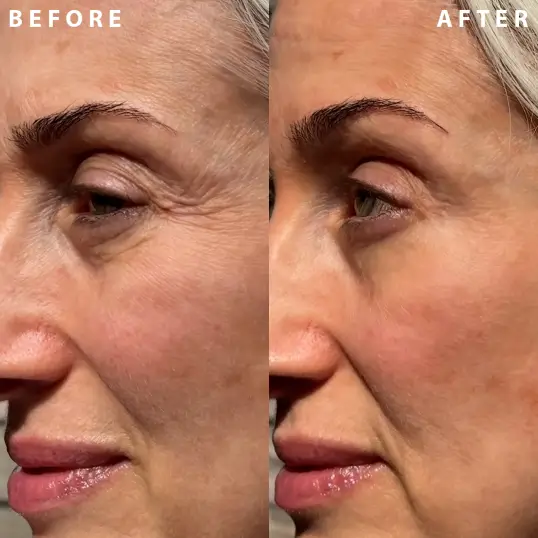
- Fine Lines and Wrinkles: Primers can soften the look of fine lines in two ways. Silicone-based primers fill tiny crevices, making lines less pronounced on the surface. Hydrating primers plump up the skin so lines look shallower. Prevention magazine notes that as skin loses oil with age, it becomes dry and lines are more visible, but “[primers] can lessen the appearance of fine lines and smooth out imperfections,” according to a dermatologist. In practice, you might dab a little primer right in your smile lines or around your eyes to smooth those areas before foundation. Our Laura Mercier Hydrating Primer review discusses how this lotion-like primer keeps skin soft and helps makeup last longer without settling into lines.
- Dry Patches: Mature skin often has uneven moisture. Any dryness under foundation makes makeup cling or flake. Applying a hydrating primer over dry areas (like cheeks or around the mouth) adds a cushion of moisture. For instance, our e.l.f. Hydrating Primer review notes glycerin locks water in the skin. Always start with a good moisturizer, but a hydrating primer acts like a secondary lightweight moisturizer, smoothing out rough spots.
- Excess Oil: Some mature women still experience oily zones (especially the T-zone). A mattifying primer with oil-controlling ingredients will help keep shine in check. Prevention experts mention that primers can “control shine for oily skin types”. For example, the L’Oréal Age Perfect Blur Primer (see our review) offers a velvety matte finish that tames oil while still hydrating just enough for mature skin.
- Uneven Tone or Age Spots: Primers aren’t miracle concealers, but some can slightly improve tone. Illuminating primers (or tinted primers) spread color evenly to minimize the look of dark spots. For example, a primer with tiny pearls can give your skin an all-over glow that distracts from minor discoloration. While not a substitute for color correctors, primers with brightening ingredients or a sheer tint can even out mild pigmentation under foundation.
By choosing a primer that addresses your specific concern — be it hydration, pores, or shine — you give your makeup a better starting point. For even more tips, see our guide to choosing the right foundation for mature skin (prep and primer tips included).

How to Choose the Right Primer
Picking the right primer is all about matching it to your skin type and makeup goals:
- Dry or Sensitive Skin: Go for hydrating, silicone-free primers. Look for keywords like “hydrating,” “nourishing,” or “gel”. These formulas add moisture and usually contain skin-friendly ingredients. Avoid heavy mattifying primers that can cling to flakes. For example, a primer like Laura Mercier’s Pure Canvas Hydrating Primer (reviewed here) uses olive oil and vitamin E to moisturize, which is perfect if your skin is very dry or sensitive.
- Oily or Combination Skin: Choose a primer designed to control oil. Silicone-based or powdery primers that say “blurring” or “pore-minimizing” are great. They create a non-greasy, matte surface. The Smashbox Photo Finish is one classic option that works on all skin types, and our review highlights its oil-free, pore-blurring formula. For extra shine control, you could even try setting a mattifying primer with a light dusting of translucent powder afterward.
- Combination Skin: Feel free to mix-and-match. Apply a mattifying primer on your oily T-zone, and a moisturizing primer on your drier cheeks. This layered approach gives each area what it needs. Our foundation-prep guide recommends treating different zones individually to avoid overloading any single spot.
- Mature Skin Goals: Think about what you want from your makeup. Need glow? Try an illuminating primer. Need longevity? Many primers add a subtle “grip” to help foundation stay. If you often get red or discolored spots, a tinted primer (even a slight tint under foundation) can even out tone. Some primers also have SPF or antioxidants built in, which can be nice bonuses. But remember, even if a primer has SPF, you should still wear your regular sunscreen first (it’s the “pre-“ in primer, after all).
No matter what you choose, always start with clean, well-moisturized skin. Apply a broad-spectrum sunscreen during the day. Only then should primer go on — this way you won’t trap dirt or neglect sun protection. Want the full “what goes on when” (skincare → SPF → primer → base → powder → finishing)? Follow my makeup layering routine here. For a full checklist on skin prep (step-by-step), see our How to Prep Mature Skin for Foundation guide. Once your skin is ready, a few swipes of the right primer will set the stage for flawless makeup.
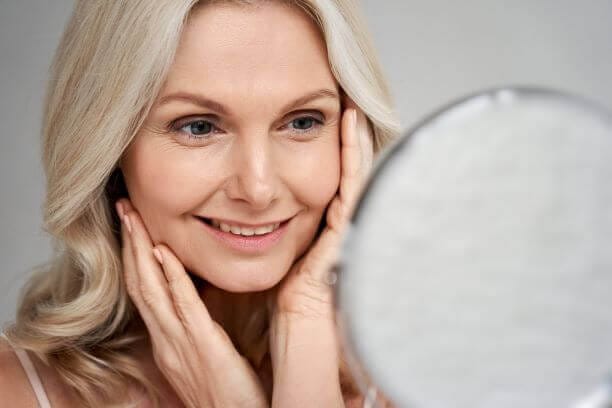

How to Apply Primer on Mature Skin
- Start with hydration and sun protection. Make sure your face is clean, moisturized, and SPF-covered before primer. Primer never replaces these steps; it works best on a fresh, hydrated canvas. If my skin feels extra dry, I’ll pamper it with a Korean sheet mask before primer. It’s a simple step that gives me the hydration boost my mature skin craves.
- Use the right amount. You generally only need a pea-sized or half-pump amount for your whole face. Using too much primer can actually make it pill or feel heavy. Begin with a little and add more as needed.
- Target key areas. Dab primer on the parts of your face that need it most. For example, put a drop on your forehead, nose, chin, and cheeks if you’re applying all over. If you’re focused on specific concerns, just dot it there: around the nose for pores, the corners of eyes and mouth for lines, or cheeks for hydration. Avoid the eyelids (unless you use an eye-specific primer).
- Blend gently. Warm the primer with your fingertips or a damp beauty sponge, and spread it evenly across the skin. Pat or smooth it out — don’t tug or rub harshly, as mature skin can be delicate. Light, upward strokes work well. Some makeup artists prefer using a sponge lightly sprayed with setting spray to blend primer; it helps prevent the primer from soaking up into the sponge and losing coverage.
- Let it set. Wait about 1–2 minutes for the primer to “dry down” before applying foundation or concealer. You’ll feel that the primer transforms from tacky to a smoother base. This pause ensures maximum smoothing effect and helps your foundation glide on evenly rather than pushing the primer around.
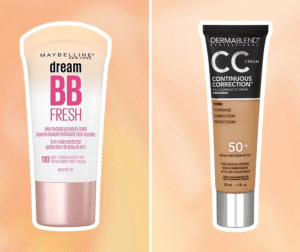
- Finish your base. After primer, apply foundation, tinted moisturizer, or BB/CC cream as usual. If you use concealer, apply it after foundation in the areas you need it. Our Best Concealers for Mature Skin guide (concealer tips) and Step-by-Step Foundation Prep offer detailed advice on the rest of your routine.and if you’re unsure which concealer to buy, check my step‑by‑step guide to choosing concealer for mature skin
By applying primer to trouble spots and smoothing it outward, you create an even base. It’s like laying down a smooth, soft sheet for your makeup to sit on. If you’re uncertain how to apply primer, remember what Healthline advises: start small and spread it evenly over your skin, then let it set. It’s quick but makes all the difference for a polished finish.

Primer Mistakes to Avoid on Mature Skin
- Over-applying primer. More is not better. A common mistake is globbing on too much primer. Stick to a pea-size amount; your primer review guide shows that even large pore primers work with just a little product. Excess primer can ball up or make skin look uneven.
- Skipping moisturizer or sunscreen. Primer can’t substitute hydration or sun protection. If your skin is still dry, your primer and foundation will cling to flakes or look patchy. Always start with your skincare routine (moisturizer + SPF) before any primer goes on.
- Using the wrong primer for your skin. For example, an ultra-matte primer on flaky skin will just emphasize texture, while a greasy primer on oily areas will slump into pores. Match the formula to your needs (see above). If you’re not sure, our Best Primers for Mature Skin guide can help you pick by type.
- Rubbing primer into delicate areas. Be gentle under the eyes and around the mouth. Tugging or rubbing too hard can irritate thin skin and aggravate lines. A light tapping motion with a finger or sponge is best.
- Neglecting to set the primer. If you apply primer and immediately slap on foundation, the primer might not have time to smooth out. Let primer dry to a velvety finish first. Then blend your makeup lightly. This ensures the primer does its job of blurring lines rather than getting moved around.
- Expecting miracles. Finally, remember primer helps, but it’s not magic. It won’t erase deep wrinkles or fully hide scars. Its job is to improve the canvas, not replace good skincare. Use it as one step of a complete routine.
By avoiding these pitfalls, you’ll get all the benefits of primer without any extra problems. As one GlowOver50 beauty guide notes, skipping primer often leads to the very issues we’re trying to fix – makeup settling into lines. In fact, experts highly recommend primer for older skin specifically to “smooth fine lines and enhance foundation longevity.”glowover50.com So give primer a try the right way, and you’ll see how much smoother your makeup looks.
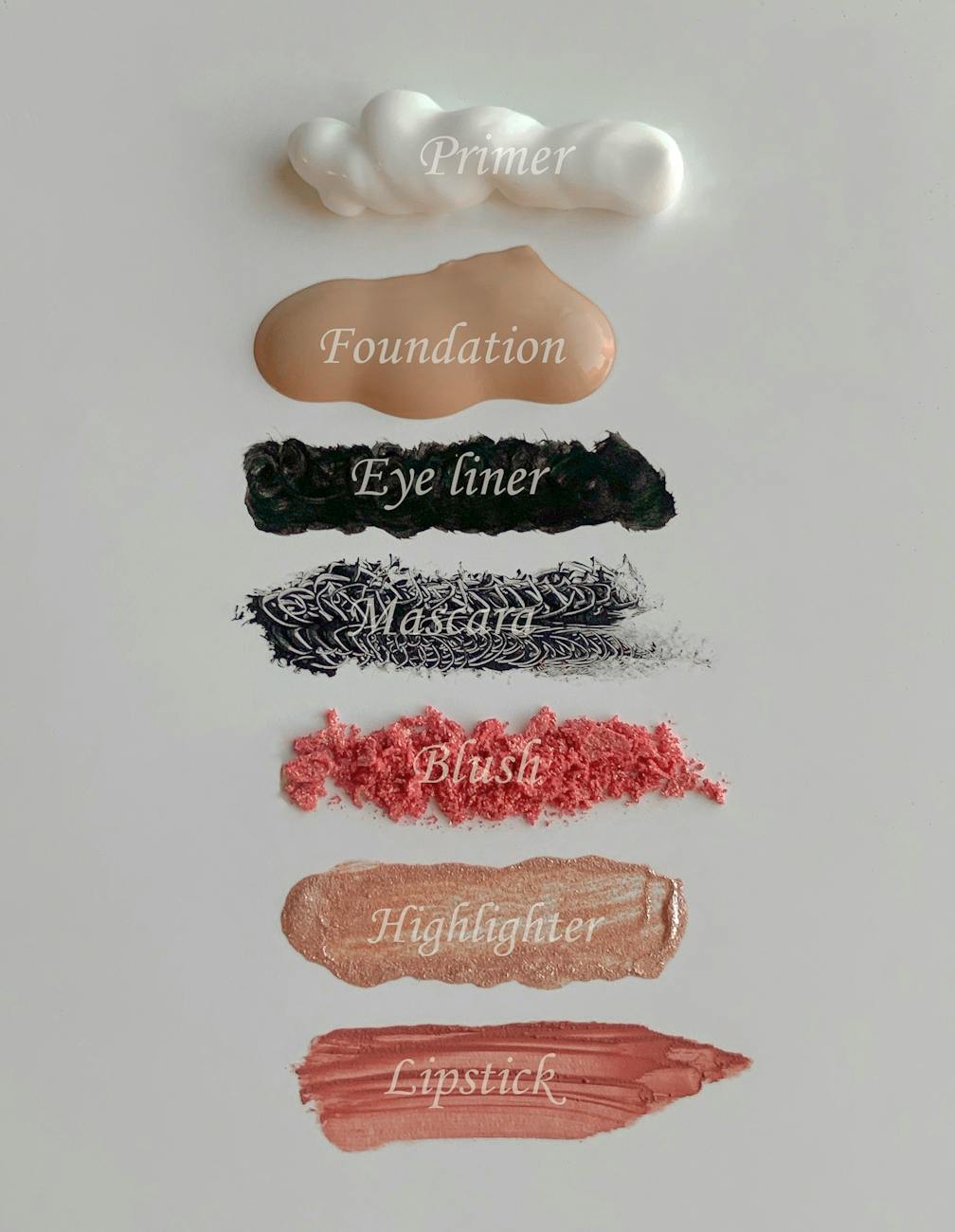

Fall 2025 Updates: Hydrating Primers That Smooth and Plump Mature Skin
Oh honey, as we ease into fall 2025, that crisp air can really zap the moisture from our over-50 skin—I’ve been there at 52, fighting those extra dry patches! Since my original primer guide, I’ve tested some new (and reformulated) hydrating heroes that blur lines, boost glow, and make your makeup last through pumpkin spice season without creasing. These picks focus on skincare-infused formulas with hyaluronic acid and peptides, perfect for prepping before your best foundation for mature skin favorites. Let’s chat about my top three tested this month—they layer beautifully under foundations that don’t settle into wrinkles for a flawless base.
Tatcha The Liquid Silk Canvas Primer (Full Product Review) (Amazon)
Why It’s a Game-Changer for Us: This silky formula creates a velvety barrier that locks in hydration while blurring pores and fine lines—ideal for mature skin craving that soft-focus effect. Makeup artists rave about it in guides to the best primers for mature skin that prevent creasing and dryness, noting its feather-light feel that doesn’t pill under makeup. I slathered it on before my daily concealer for fine lines over 50 routine, and it made everything glide on smoother than ever.
Application Tips: Pump a pea-sized amount and pat gently with fingers or a sponge from my best foundation brushes and sponges for mature skin recs—let it set for a minute before layering tinted moisturizers with SPF for over 50.
Pros & Cons:
- Pros: Weightless hydration that enhances top BB and CC creams for mature skin; no greasy residue.
- Cons: A tad pricey, but pairs perfectly with makeup over 50 expert tips for everyday elegance.
Smashbox Photo Finish Primerizer+ Hydrating Primer (Full Product Review) (Amazon)
Why It’s a Game-Changer for Us: Packed with hyaluronic acid for all-day plumpness, this one hydrates deeply while priming for a dewy, youthful base—great for combating fall’s dryness. In expert roundups of the top hydrating primers for aging skin that lock in moisture and smooth texture, it’s praised for its versatility on combination skin over 50. It reminds me why I always start with primer before best blush and bronzer for mature skin to add that healthy flush.
Application Tips: Apply after moisturizer, using upward strokes to lift—follow with a light foundation for mature skin from my luxury picks for seamless blending.
Pros & Cons:
- Pros: Boosts radiance under concealer for fine lines over 50; budget-friendly luxury feel.
- Cons: Might need reapplication if very dry; try it with tinted moisturizers with SPF for over 50 on milder days.
Bobbi Brown Face Base Moisturizer and Primer (Amazon)
Why It’s a Game-Changer for Us: This rich, vitamin-packed hybrid moisturizes and primes in one step, softening lines with shea butter for a nourished glow. Beauty pros highlight it in reviews of the primers for dull mature skin that restore hydration and blur imperfections, loving how it preps without heaviness. It’s my go-to before foundations that don’t settle into wrinkles when I want that “woke up like this” vibe.
Application Tips: Warm it between fingers and press into skin—top with top BB and CC creams for mature skin for lighter coverage.
Pros & Cons:
- Pros: Multi-tasking magic that elevates makeup over 50 expert tips; soothing for sensitive types.
- Cons: Rich texture might suit drier skin best; layer sparingly under best foundation brushes and sponges for mature skin tools.
These updates have me excited for fall routines—they build on the primer basics without overwhelming, much like how a good base ties into your full best blush and bronzer for mature skin glow. If your skin’s shifting with the seasons, give ’em a whirl and tell me what you think!
Ready to give primer a go? Experiment with a small amount and see how your foundation applies. Did you pick up a new tip from our guide? We’d love to hear your thoughts! Leave a comment below sharing your favorite primer trick, or share this post with a friend who might benefit. (Let’s help everyone over 50 feel confident and glowing – primer in hand!)
Join the GlowOver50 Newsletter ✨
Stay in the loop with my latest makeup tips, skincare secrets, and honest product reviews — all tailored for women over 50. Subscribe today and keep that gorgeous glow going!