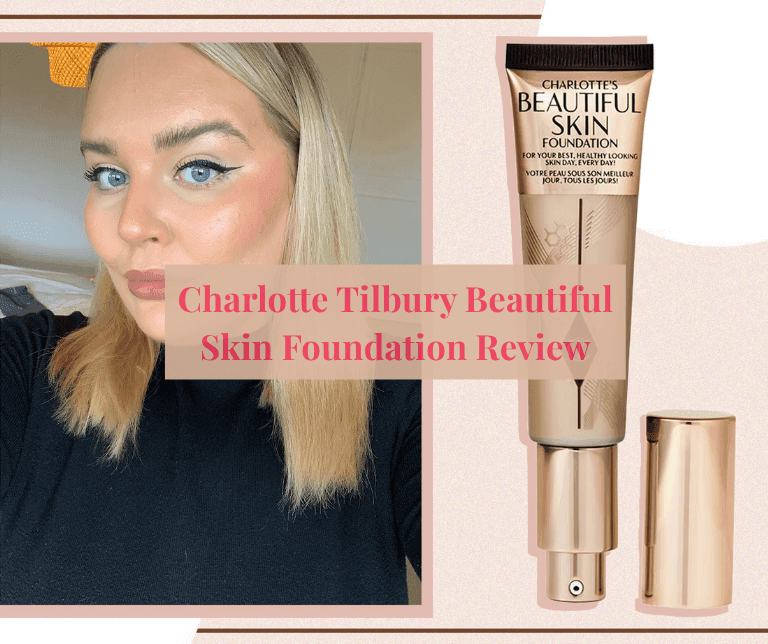
Hello, gorgeous friends! If you’ve been curious about the Charlotte Tilbury Beautiful Skin Foundation, you’re not alone. As a woman in my 50s who loves chasing that youthful glow, I had to try this much-hyped foundation. Charlotte Tilbury is known for radiant, “your-skin-but-better” products, and this one promises hydrated, dewy coverage – basically a dream come true for us mature-skin gals. In this personal review, I’ll share how it performed on my over-50 skin, how I applied it (primer, tools, and all), and what worked (and didn’t) for fine lines, dryness, and real-life wear. By the end, you’ll know whether Beautiful Skin lives up to its name and my expectations. Let’s dive in, girlfriend-style!
(P.S. I’ll sprinkle in helpful tips and links along the way – think of it as sharing my favorite finds and guides from GlowOver50 over coffee. We’ve got lots to cover, so get comfy!)
Table of Contents
First Impressions: A Mature Beauty Enthusiast’s Take
I’ll admit, I was excited (and a tad nervous) to try this foundation. It comes in a chic rose-gold tube that looks so pretty on a vanity. I chose a shade close to my winter skin tone (2 Neutral) for my light-medium complexion with neutral undertones. Upon squeezing it out, the formula felt creamy yet lightweight – not runny, but not a heavy mousse either. It looked hydrating, with a slight luminosity to it.


Right away I noticed it contains skincare ingredients: Charlotte’s formula is infused with hyaluronic acid and a “rose complex.” Hyaluronic acid is a superstar for mature skin because it holds water in the skin, keeping it plump and resilient. The rose complex (including damask rose water) and other botanicals are meant to soothe and brighten. As someone with occasional redness and sensitivity, I appreciate these calming touches. It’s nice when a foundation cares for your skin while making it look good!
Coverage & Finish (Initial Swatch): I dabbed a bit on the back of my hand first. It spread easily and I could tell this is a medium coverage foundation that’s buildable. The finish was glowing but not glittery – a true radiant dewiness. Even before applying to my face, I could see that trademark Tilbury glow. I was hopeful: it looked like the kind of formula that could make dry, dull skin come alive (and oh boy, could I use that in winter!). For days I want even lighter coverage, I treat it almost like one of my best tinted moisturizers for mature skin and sheer it out with a damp sponge.
My Application Routine: Prep, Primer, and Tools
Before any foundation goes on my face, I prep my mature skin thoroughly. Trust me, this step makes all the difference (I learned it the hard way in my 40s!). I started with a rich moisturizer and let it sink in for about 5 minutes. Hydrated skin is the best canvas for foundation – it helps prevent that cakey look and keeps our fine lines plumped. If you’re curious about the whole prep routine, I’ve written a detailed guide on prepping mature skin for foundation, which breaks down moisturizing, exfoliating, etc., for a flawless base.


Primer: Next, I applied a pea-sized amount of primer to my T-zone and cheeks. Now, you might ask, “Do older women need primer?” In my experience – absolutely, especially with a dewy foundation. A good primer can blur pores and fine lines, and give the foundation something to hold onto so it lasts longer. I opted for a hydrating, silicone-free primer (something like the e.l.f. Hydrating Primer or Laura Mercier Pure Canvas Hydrating Primer). These kinds of primers smooth without drying – perfect for aging skin. If you’re unsure about primers, check out Primer 101: Do Older Women Need Primer? for a friendly rundown. And if you need product suggestions, our list of best primers for mature skin in 2025 has some fantastic picks to suit different needs (hydrating, blurring, etc.).
With my skin plumped and primed, I was ready for the star of the show.
Application Tools: I experimented with a few methods so I could give you the full scoop:
- Fingers: Yes, clean fingertips can be great for this foundation! I dot the foundation on my face (forehead, cheeks, nose, chin) and then use my fingers to massage it in like a moisturizer. The warmth of my hands really helped the product melt into my skin for a very natural finish. I did go back and pat gently, pressing the foundation in, which helps it “mesh” with the skin instead of just sitting on top. This technique reminded me of how I’d apply a tinted moisturizer, and indeed Beautiful Skin has that kind of flexibility (it moves with your skin rather than cracking or caking).
- Brush: My favorite method ended up being a dense buffing brush. I used a flat-top foundation brush (with soft, dense bristles) to swirl the foundation on. I squeezed a pump onto the back of my hand, picked up product with the brush, and used circular motions to buff it in. The result was smooth, even coverage. I noticed no streaks – but as a finishing touch, I like to press a damp sponge over my face lightly after brushing, just to ensure everything is seamless. (This trick works with almost any foundation: buff with a brush for coverage, then press with a sponge to remove excess and perfect the blend. It’s a combo that helps avoid streaks or settling.) For mature skin, the tools can make a difference. If you’re curious about which brushes or sponges work best for us, see our roundup of best foundation brushes and sponges for mature skin – it changed how I do my makeup!
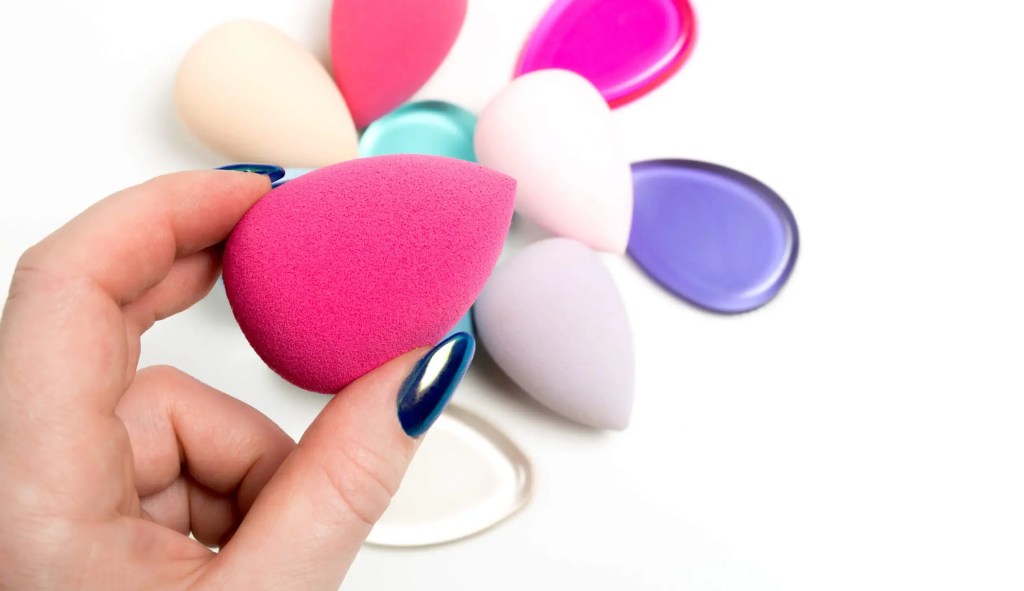
- Sponge: Using a damp beauty sponge alone to apply this foundation gave the most sheer, dewy finish. I love this for “no-makeup” makeup days. I bounced the sponge (a slightly dampened BeautyBlender) over the dotted foundation on my face. It does sheer out the coverage a bit, but the finish is so skin-like. If you have very dry skin or you only want light coverage, a sponge is wonderful because it adds a touch of moisture and prevents over-application. One of our pro tips for mature skin is that a damp sponge can prevent foundation from streaking or settling too harshly – pressing the product in gently is key for a line-free look.
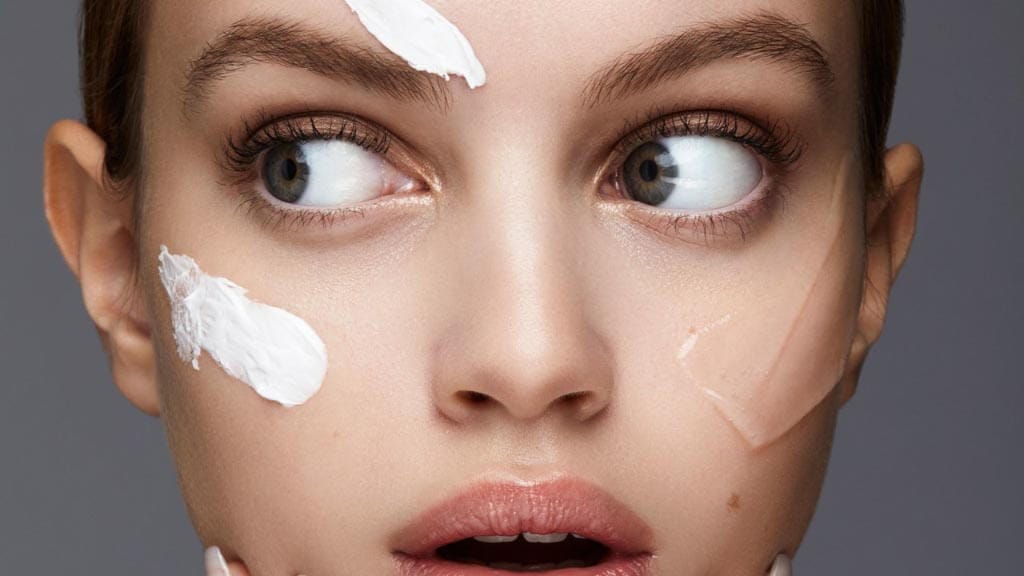
How Much to Use: Important note – a little goes a long way with Beautiful Skin. On Day 1, I got pump-happy and applied about 1.5 pumps. On my face, that turned out to be too much; I looked extra dewy by midday (bordering on shiny). Lesson learned! Now I start with half a pump, blend that out, and only add more in areas that need extra coverage. For me, that’s usually a bit more around the nose (to cover redness) and a touch on my cheeks where I have some sun spots. By using thin layers, I get the best results. If you have specific spots that need more coverage (like a dark sun spot or a bit of melasma), you’re better off dotting a tiny extra bit of foundation or using a concealer there, rather than slathering a thick second layer everywhere. Thin layers = skin-like finish and minimal settling. (Over-application is a common mistake that can age us, so gradual build is the way to go – see our guide on avoiding foundation mistakes on mature skin for more on that.)
Setting It: After application, I assessed the finish. It’s definitely dewy – my skin looked moisturized and had a slight sheen (especially on the cheeks and forehead high points). Because I have combination skin (dry cheeks but an oily T-zone), I chose to set lightly with powder on my nose, chin, and a touch under the eyes. I used a sheer, translucent powder and a small fluffy brush, gently patting it on the areas I tend to shine or crease. I left my cheeks alone because I love that subtle glow on the tops of my cheeks – it’s that youthful dewiness we often lose with age, and this foundation really gives it back! If you’re drier all over, you might skip powder entirely; if you’re oilier, a quick dusting through the center of the face will tone down the shine. The key is using a finely milled setting powder that won’t cake up or make the skin look flat. (I’m a fan of the ones in our best setting powders for mature skin list – they blur without drying. And for technique, peek at how to apply setting powder for mature skin so it enhances rather than ages you.)
I did not use a setting spray in my initial test, because I wanted to see how the foundation performs on its own. But on subsequent wears, I tried it with a spritz of a hydrating setting spray (something with a bit of glow, like Charlotte’s own Airbrush Flawless Setting Spray or just a mist I had on hand). A couple of light spritzes after all my makeup was done really helped meld the layers together and slightly prolonged the wear without any powderiness. Totally optional, but a hydrating setting spray can be a mature skin BFF for keeping makeup fresh and slightly dewy.
Coverage, Finish & Wear: The Results on My Skin
Let’s break it down into the aspects we care about: coverage, finish, wear time, and behavior on mature skin issues (lines, dryness, texture).


Coverage: Medium and Buildable (Age Spots, Be Gone!)
Charlotte Tilbury Beautiful Skin is marketed as a medium coverage foundation, and I’d agree. One thin layer evened out my skin tone beautifully, covering the mild redness around my nose and the shadowy areas around my mouth. It softened the look of my sun spots and one pesky age spot on my cheek, though a tiny bit of freckling still peeked through – which I don’t mind, because it looked natural. For everyday wear, I actually love that it doesn’t blank out my face completely. It’s your skin, but better. That said, if I wanted more coverage for, say, an evening out, I found I could add a second light layer on areas that need it (or just use a concealer) and achieve a solid medium-high coverage. The foundation layers without getting too heavy as long as you don’t pile it on all at once.
A big plus: even with coverage, it doesn’t look mask-like or settle obviously. I’ve tried “full coverage” foundations that made me look 10 years older because they sat in every crease. This one is more forgiving. It kind of spreads and stretches with the skin. In fact, it reminds me of a hybrid between a foundation and a tinted moisturizer in how it moves. On my smile lines and forehead lines, I did a little test – I smiled and frowned to see if product would immediately gather. With Beautiful Skin, it did not collect in the lines upon application. (Hours later, I’ll get to that in a moment!). This is likely thanks to its slightly elastic, hydrating nature. It’s not a drying paint; it’s a flexible cream. One of our GlowOver50 testers described it as “moving with your expressions instead of fighting them,” and I wholeheartedly agree.


For my under-eye area, I usually prefer a dedicated concealer, but I noticed this foundation did a decent job toning down my dark circles without creasing. If you don’t have very dark under-eyes, you could probably skip a separate concealer for daytime looks. However, I will caution my fellow under-eye crease sufferers: always prep that area well with eye cream and maybe a blurring primer if creasing is a concern. And if you do use concealer with this foundation, choose a hydrating one that won’t undo all the lovely dewiness – something from our best concealers for mature skin list would pair nicely, or brush up with how to choose concealer for mature skin. (I personally used a tiny dot of a creamy concealer just in the inner corners of my eyes for brightness.)
Overall, I give coverage a thumbs up. It’s enough to make me feel polished and to cover most of my hyperpigmentation, but it lets skin look like skin. My age spots were hidden about 80% with one layer – and that’s fine by me for daily wear. If you have very pronounced pigmentation, you might want a corrector or concealer to fully erase them, but I think you’ll be impressed by what this foundation covers without looking heavy.
Finish: Dewy, Radiant & Youthful (AKA “Your Skin but Plumper”)
Finish is where Charlotte Tilbury’s foundation truly shines (pun intended!). On my skin, the finish was a lovely dewy sheen – not greasy or glittery, just that lit-from-within glow. It’s like my skin had a drink of water and a hint of highlighter, all in one. This is huge for mature skin, because a flat matte finish can age us by emphasizing texture and dryness. The Beautiful Skin finish gave me that healthy, fresh look I usually only get after a great skincare routine or a facial. I even dared to skip highlighter on my cheekbones because frankly, I already had a natural radiance there.

Let me be clear: if you have oily areas, you will see shine by mid-day. On my nose (which can get a bit oily), about 5-6 hours in, there was definite shine breakthrough. But it wasn’t terrible – a quick dab with a tissue or a touch of powder and it was fine. The cheeks, which are drier, stayed dewy in a good way all day. I much prefer a little glow over a dry, cakey look. I recall an Allure editor saying about this foundation: “It’s dewy without looking excessively oily. My skin looked smooth, glowy, and flawless.” – and that mirrors my experience from this review highlight. When I caught my reflection in bright daylight (the ultimate test of any foundation), I thought, “Wow, my skin just looks like well-moisturized skin, not makeup.” That smooth glow did not emphasize my lines or pores; in fact, it blurred them out of focus.
If you are on the extremely oily side, the dew might be a bit much for you – you might need to powder more or use a mattifying primer in the T-zone. But for normal to dry skin, this finish is chef’s kiss. It reminds me of how my skin used to have a natural luster in my 30s. Now I can fake it again! I also noticed the glow actually improves as it wears – around hour 3-4, once it mixed a bit with my skin’s natural oils, it looked even more seamless and supple.
For my fellow glow-getters who worry about looking like a disco ball, don’t fret: it’s a refined glow. If I had to label it, I’d call it a satin-dewy finish. Not wet or greasy, but definitely not matte. It catches the light in the prettiest way. (And if you ever find it too shiny, remember a light dusting of a blurring powder for mature skin can tone it down without killing the glow completely. I sometimes tap a bit of translucent powder just on the center of the forehead or use blotting papers midday. Small tweaks keep it balanced.)
Wear Time: An 8-Hour Day (and Into the Evening)
I tested this foundation on multiple days, including a busy day where I applied it around 8 AM and didn’t take it off until about 9 PM. Here’s how it held up:

- First 4-5 hours: It looked nearly perfect. Honestly, at lunchtime I checked and saw no creasing around my nose or mouth, which is rare. My fine lines by my eyes (crow’s feet) had a tiny bit of luminosity to them (dewy products can give a sheen in wrinkle grooves), but it wasn’t settling in an obvious way – more like just the light reflecting there. A gentle tap with my ring finger smoothed everything back out easily.
- By late afternoon (6-8 hours in): I noticed a bit of wear on my nose where my glasses sit – totally normal, and this foundation is not billed as long-wear or transfer-proof, so I wasn’t surprised. A quick pat with sponge fixed the redness peeking through. My cheeks still looked great, and importantly it hadn’t turned cakey or sunk into smile lines badly. I did see a little settling in the deeper line beside my mouth by hour 8, but only if I looked super close. For context, almost every foundation does this on me eventually; Beautiful Skin did it very minimally. No dreaded “foundation cracks” in my lines – a big win!
- By end of the night (~12 hours): The glow had increased (I was definitely shiny on the nose and forehead by now), and the coverage had slightly faded on my chin and around my nose. But it faded gracefully – meaning it didn’t separate or get patchy, it just kind of became more sheer in those spots. My blush and bronzer on top were still intact (this foundation grips other products well, probably due to its moisturizing yet set finish). I’d say at the 12-hour mark, I looked like I was wearing a very light coverage foundation with a glow – not a patchy mess, which sometimes happens with dewy formulas after a long day.
So, wear time for me without touch-ups was about 8 hours of looking fresh, and up to 10-12 hours of decent wear before it really started breaking down. Considering it’s a hydrating foundation (those usually wear off faster than matte long-wear ones), I am quite pleased. If I needed it to last longer (say an evening event after work), I would either do a minor touch-up or set it with a setting powder technique for mature skin in the morning to extend wear. One day I did use a makeup setting spray in the morning, and I noticed less fading by 9 PM than without – so that’s a tip if longevity is crucial. Also, wearing a good gripping primer underneath (like one with a slightly tacky finish) gave me an extra hour or two of flawless wear.

It’s worth noting that this foundation doesn’t claim to be 24-hour or matte, so its ~8+ hour solid wear is in line with what Charlotte Tilbury advertised. It actually exceeded my expectations because many dewy, moisturizing foundations start melting off my face by afternoon. This one holds up through a workday (even surviving a quick outdoor walk in humid weather – albeit with a bit more shine afterward). If you tend to have makeup vanishing by midday, make sure you prep well and lightly set the areas you have trouble with. Also, check out our makeup setting tips to avoid common foundation mistakes – a couple of small tweaks can seriously improve longevity for any foundation on mature skin.
Mature Skin Concerns: Fine Lines, Dryness & Texture
Now, the million-dollar question: How did Beautiful Skin handle the typical mature skin issues like fine lines, wrinkles, dry patches, and uneven texture?

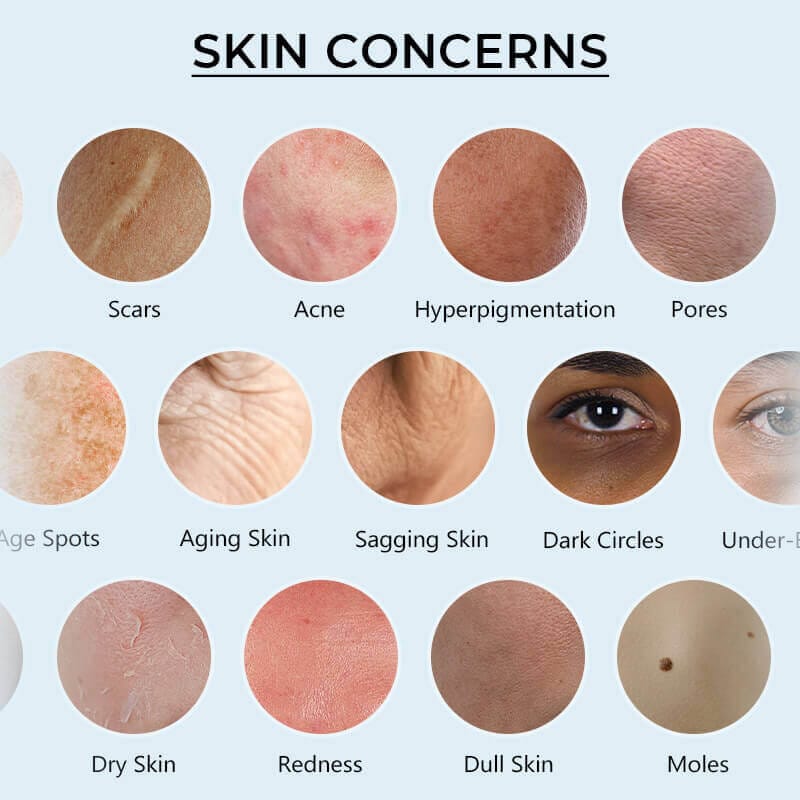
Fine Lines & Wrinkles: I touched on this in coverage/finish, but let me emphasize – this foundation is kind to lines. I actually think it makes my fine lines look better, not worse. Why? Because it stays hydrated and slightly plump. When makeup is too dry or matte, it cracks into lines and makes them visible. With Beautiful Skin, the area around my eyes and mouth stayed moist enough that lines remained softer-looking. I’m not saying it erases them (nothing short of a time machine or some good retinol can do that!), but it certainly didn’t amplify them. Even my forehead, where I have a few horizontal “wisdom lines,” looked smoother since the satin sheen gives a mild blurring effect.
The formula has hyaluronic acid and other plumpers that keep the skin juicy, which in turn helps blur the look of fine lines by preventing that dry, crepey effect. I didn’t notice any major settling until very late in the day, and even then it was minor. If settling is a big worry for you, a tip is to press your damp sponge into line-prone areas right after applying foundation – I do this around my mouth and eyes, and it really helps merge the product. Also, less is more on areas with more wrinkles; I avoid piling product there. Overall, I was impressed. I’ve tried a lot of foundations that claim to not settle, and very few actually achieve it. This one comes close, especially in the crucial first 6-8 hours when I’m out and about. I even got a compliment from a friend that day: she said, “Your skin looks great – I hardly see your smile lines!” That felt like a minor miracle. 😄 If you’re researching options, our foundations that don’t settle into wrinkles list is a great place to compare.
Dryness & Dry Patches: My skin leans dry, particularly in winter, so I often struggle with foundations clinging to those annoying flaky patches or making my skin feel tight by midday. Beautiful Skin was like a drink of water for my face. No tightness at all – in fact, my face felt comfortable all day, even in heated indoor air. I had a tiny dry patch on one cheek (leftover from a retinol experiment gone awry), and this foundation did not cling to it or accentuate it. I’ve had matte foundations spotlight a dry patch by turning it a different color – yikes – but this one kept it nicely camouflaged and even. If you have very dry days, you can also reach for tinted moisturizers for mature skin or layer a richer moisturizer underneath (see skin prep for foundation).
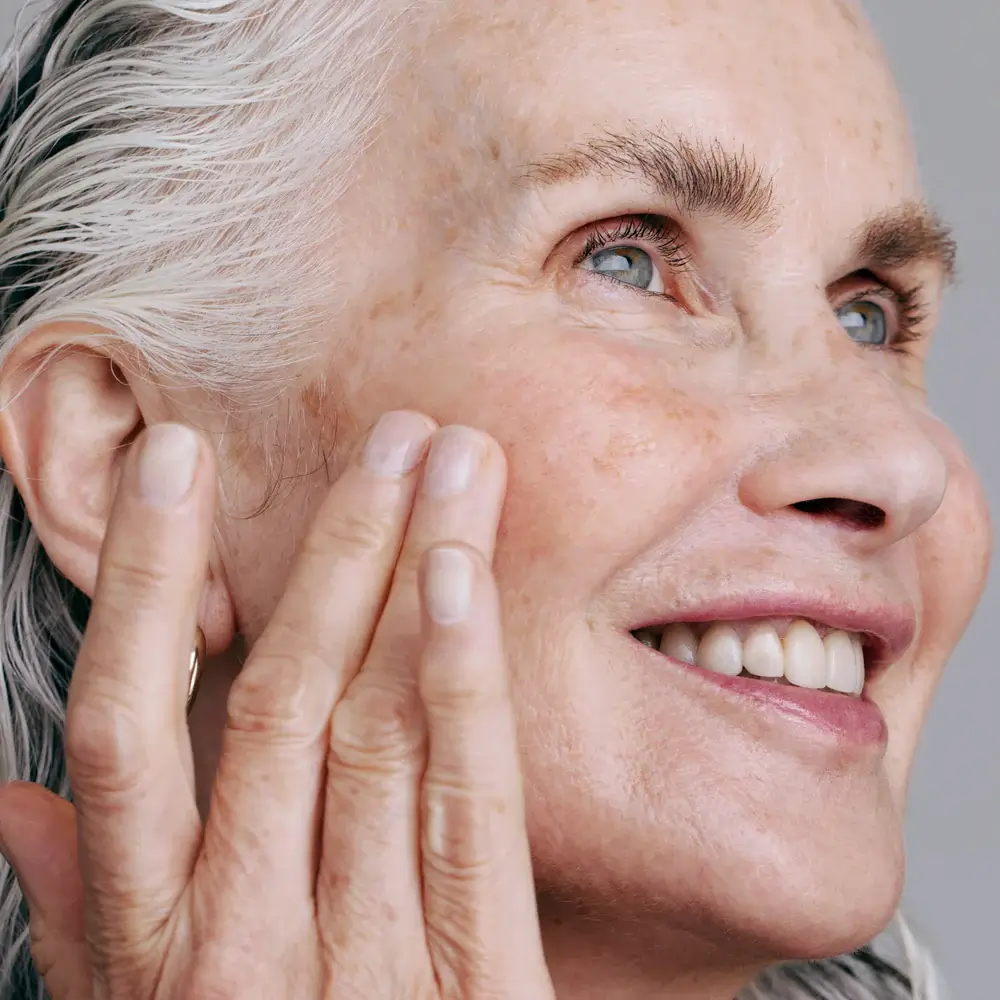

Large Pores & Texture: Now, my skin texture: I have visible pores around my nose and some on my inner cheeks, and a bit of uneven texture from old acne scars on my chin. How did Beautiful Skin fare on those? Quite well! Because of its satin finish and moisturizing nature, it tended to blur pores rather than emphasize them. It doesn’t contain sparkly particles (that can settle in pores), so no polka-dot face here. I did use a little pore-filling primer on just the sides of my nose on one of the test days; with that combo, my pores were virtually invisible. Without primer, the foundation on its own still softens their appearance – I think the subtle glow sort of makes light bounce off the pores in a flattering way. And since it doesn’t dry down super matte, it doesn’t leave that “orange peel” effect on pore areas that some foundations do. My chin texture was also handled nicely – it didn’t gather around the slightly rougher areas. If you have a lot of texture or scarring, you might still want a smoothing primer for absolute perfection (see best primers for mature skin).
Sensitivity: While I don’t have highly sensitive skin, I do get a bit of redness on my cheeks and around my nose. I experienced zero irritation with this foundation. It’s fragrance-free, which is fantastic because added fragrances can irritate or dry out skin (and who needs perfume in their foundation anyway?). The inclusion of niacinamide (Vitamin B3) in the formula is worth mentioning – niacinamide can actually calm redness and improve skin tone over time. After wearing this foundation for a week straight, I feel like my redness was less reactive, potentially thanks to these soothing ingredients. It’s also marketed as good for sensitive skin, and I can see why: it has antioxidant and calming extracts that make it suitable for easily irritated skin. In other words, it’s gentle. If you flush easily or have issues like rosacea, a foundation that doesn’t aggravate those issues is gold. For extra coverage on redness days, I’ll pair it with a hydrating, crease-resistant concealer just where needed.


Overall Skin Look: After applying and wearing Beautiful Skin, my complexion in the mirror is what I’d call “fresh and plump”. It’s like I had a really good skin day while also magically covering the not-so-good parts. I keep touching my cheeks because they feel soft (the foundation doesn’t dry tacky, but it leaves a nice moisturized feel). And when I smile, my crinkles around the eyes look more like a dewy glow than deep crevices. The foundation definitely gives a bit of a plumping effect, which is exactly what my fine lines say “thank you” for. It’s almost as if the optical effect of the glow and the actual hydration work in tandem to make my skin look smoother and happier. On days I want to add a little extra sheen, I’ll skip powder on the high points and layer a touch of my favorite glow product – or reach for one from when I tested 15 highlighters after 50.
Routine Recap & Personal Tips
Let me summarize how I use Charlotte Tilbury Beautiful Skin Foundation for best results, along with a few personal tips I picked up:

- Skin Prep is Crucial: Always start with well-moisturized skin (I can’t stress this enough!). If I skip moisturizer or primer, no foundation on earth looks as good. With Beautiful Skin, a hydrated base helps it glide and prevents any product from catching on flakes. If you need guidance on this, see How to Prep Mature Skin for Foundation – a smooth canvas makes a world of difference for any foundation, especially hydrating ones.
- Primer (Use Strategically): I don’t always prime my whole face; sometimes I just prime where needed. With this foundation, I might use a blurring primer on my nose/pores and a hydrating primer on my drier forehead, or sometimes no primer on the cheeks because the foundation itself is hydrating enough there. Listen to your skin: if you have very large pores or trouble spots, a targeted primer can amplify the flawless effect (our Primer 101: Do Older Women Need Primer? can help you decide if and where you need one). If you’re more on the oily side, you might even use a mattifying primer on the T-zone to balance the dew. There’s no one-size-fits-all – mix and match to your needs. For product ideas, the 5 best primers for mature skin in 2025 are a great place to start.
- Application Methods: I found brush + sponge combo gave me the most airbrushed look. But on rushed mornings, fingers were quick and surprisingly effective (just be sure to blend well). If using fingers, wash your hands first and work in small sections so you get an even blend. The heat from fingers really makes the foundation one with the skin – great for dry skin days. For the brush method, remember to buff gently and avoid overworking the product. Over-buffing can actually cause micro-exfoliation (ever notice little flakes appearing if you rub too much?). And if you love sponges, go for it – you’ll just end up with slightly lighter coverage. Curious about tools? Here are my best foundation brushes and sponges for mature skin.
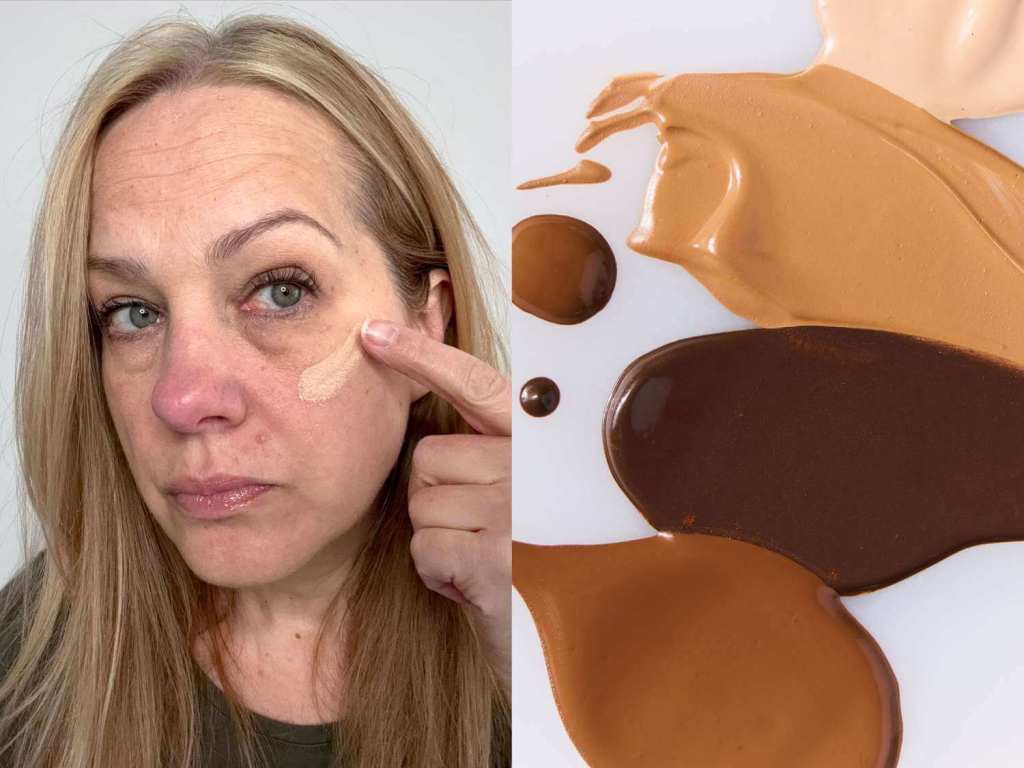
- Thin Layers: Start with a small amount. You can always add more, but if you go overboard, you may end up too shiny or with product sitting in lines. I start with a half pump, blend, then tap more onto any areas needing extra. For instance, I tap an extra half pea-sized drop on my sun spot, rather than spreading another full layer over the whole face. This avoids overload. If you accidentally apply too much (maybe things looked fine under bathroom lighting but then you step into sunlight and feel greasy), take a clean damp sponge and just bounce it over your face – it will lift off excess product and re-blend everything. I’ve done this and it mattifies just enough and removes any caked areas. Crisis averted! (More tips in Avoid Common Foundation Mistakes on Mature Skin.)
- Mix-Ins: On one occasion, I tried mixing a drop of Charlotte Tilbury Hollywood Flawless Filter into this foundation for an extra luminous finish. The result was ultra dewy – honestly a tad too glowy for me, but absolutely radiant. It could be lovely for an evening event or if your skin is extra dry and dull. I’ve heard some mature beauties like to mix a dot of liquid highlighter (I had great results when I tested 15 highlighters after 50) or a drop of facial oil into foundations for added moisture and glow. You could certainly experiment because it’s a friendly, mixable formula (just don’t go overboard or it might slip). Personally, I find it glowy enough on its own, but the option is there.
- Setting & Touch-ups: As mentioned, I set sparingly where needed. Throughout the day, if I saw excess shine, I gently pressed a bit of powder or used a blotting sheet. One thing I was happy with: no cakey buildup with touch-ups. Some foundations catch and layer weirdly if you try to powder later; this one accepted a light dusting without turning into a cake. I think it’s because it stays a bit creamy. Just avoid layering heavy powder – use a translucent, fine one and a light hand (we have a whole article on applying setting powder on mature skin that’s worth a read if you struggle with powder). For products, these best setting powders for mature skin blur without drying.
- Pairing with Other Makeup: I used cream blush and bronzer on top of this foundation and ooh – they blended like a dream. No patchiness at all. In fact, because the foundation remains a bit dewy, my cream blush practically melted into it, giving me that lit-from-within flush. Powder blush and bronzer also sat nicely, but I do prefer creams with this because it keeps the whole look radiant. If you need to powder your T-zone, do that before applying powder bronzer/blush to those areas, so they don’t grab. On my eyes, concealer and a touch of this foundation on the lids worked as a base for eyeshadow and didn’t crease – still, I set my lids with a dot of powder since I have oily lids. If you’re shopping around, here are my best blush and bronzer for mature skin (2025) picks.
Pros and Cons (From a 50+ Perspective)


Pros:
- Incredible Hydration: This foundation is like a moisturizer with pigment. It kept my skin hydrated all day, never settling into dry patches or fine lines. The hyaluronic acid really shines here, giving a plumping effect that made my lines less visible. If you have dry or mature skin, this formula is a godsend – no flaky or tight feeling at all.
- Radiant, Youthful Finish: The dewy finish delivers a beautiful glow that reads as healthy skin, not oily grease. It blurs imperfections and gives that gentle luminosity that flatters mature skin (a matte mask can age us, but this glow is very forgiving). My skin looked smoother and fresher, even in daylight. As Allure’s editors noted, it manages to be dewy without crossing into shiny territory during its prime wear hours. Major win for those of us seeking that youthful lit-from-within look.
- Natural-Looking Coverage: It offers medium coverage that easily covers redness and minor discoloration while still looking like skin. You can build it up a bit for more coverage, or sheer it out for a lighter look. The flexibility means it can work for everyday wear or slightly more polished occasions, without ever feeling heavy on the skin.
- Skin-Friendly Ingredients: Fragrance-free, plus loaded with niacinamide, hyaluronic acid, and antioxidants – it’s formulated with sensitive and aging skin in mind. I experienced zero irritation, and I appreciate that it’s working to improve my skin (like calming redness and adding moisture) while I wear it.
- Line & Pore Friendly: On me, it didn’t settle into fine lines or emphasize pores – in fact, it blurred them for most of the day. The satin texture kind of glides over uneven areas instead of sinking in.
- Shade Range & Packaging: There are 30 shades, which is decent. Charlotte tends to cater to a range of undertones. My shade match was spot on (and I love that it didn’t oxidize or turn weird on my skin – the color stayed true). The packaging is a travel-friendly tube with a pump – hygienic and easy to toss in a bag without fear of breaking. The tube also lets you squeeze out every last bit when it’s running low, so no product waste.
Cons:


- Dewiness May Need Management: The very feature that makes this foundation gorgeous – the dewy hydration – can be a bit much for those with combination or oily skin. If you have an oily T-zone like me, expect to blot or powder at least once during the day. It’s not a long-wear matte by any stretch, so in hot weather or on oily areas, the shine can increase and the foundation can slip a tad if not set. Those with combo skin might need to pair this with a primer or a touch of powder for longevity.
- Availability & Rumored Reformulation: I learned through the grapevine (beauty forums and such) that some people thought this foundation was being reformulated or even discontinued. As of now, it’s still available, but I did notice it sold out on a couple of retailer sites at times. So availability might be hit-or-miss depending on where you shop.
- Not Sweat/Mask-Proof: This isn’t the foundation I’d pick for a super humid day outdoors or an intense workout. If you sweat a lot, this will move. I noticed around my nose under a mask, it rubbed off some. It’s just the nature of a moisturizing, creamy product. Also, no SPF in this foundation – not a real con for me since I always apply a separate sunscreen, but worth noting if you rely on foundation for sun protection.
- Shade Undertones Lean Warm: Many shades in this range run a tad warm or golden. If you have very cool or very olive undertones, matching might be tricky. You may want to swatch in store or consult guides on how to choose the right foundation for your skin.
- Price Point: At $44 for 30ml, it’s not cheap. It sits in the high-end price range. There are some drugstore foundations for mature skin that are quite good for a fraction of the cost if you’re on a budget.
- Potential Discontinuation Worries: If you fall in love with it, that uncertainty can be nerve-wracking. I’m listing this as a “con” only because it caused me to grab an extra tube just in case. Hopefully it sticks around!
I hope you found this review and guide helpful, my lovely friends! Mature skin can absolutely rock a glowing foundation – it’s all about finding the right formula and using a few smart techniques. Charlotte Tilbury’s Beautiful Skin Foundation has become a staple for me on days I want to look fresh, hydrated, and naturally radiant. It’s like a little confidence boost in a tube, especially when my 50-something skin is feeling a bit blah.
As always, remember that makeup is supposed to be fun and make you feel good. There’s no one-size-fits-all – some over-50 beauties love a soft matte look, others (like me) love the dewy glow. Embrace what makes you feel like the best version of you. And don’t be afraid to experiment with application methods or mixing products – a lot of my best discoveries at this age have come from playing around in front of the mirror.
If you have any more questions or want to share your experience with this foundation (or any foundation) on mature skin, drop a comment! We gals gotta share our tips and keep each other glowing. Here’s to beautiful, confident skin at every age – and finding products that make us feel like the radiant queens we are!
Happy glowing! 💖
Join the GlowOver50 Newsletter ✨
Stay in the loop with my latest makeup tips, skincare secrets, and honest product reviews — all tailored for women over 50. Subscribe today and keep that gorgeous glow going!
FAQs: Foundation Questions from the Over-50 Crowd
Q: What foundation looks good on wrinkles?
A: The best foundations for wrinkles are those that hydrate and don’t settle. Look for keywords like “hydrating,” “luminous,” or “serum-like” in the description. These formulas tend to be more forgiving on lines. Charlotte Tilbury Beautiful Skin is a great example – it plumps the skin and moves with your expressions so it won’t crease up easily in smile lines. Other foundations I love that won’t settle into wrinkles include L’Oréal Age Perfect Radiant Serum Foundation (a drugstore gem) and NARS Light Reflecting Foundation. Both were formulated with mature skin in mind and offer that flexible, blurring coverage. It’s also crucial how you apply: prepping skin well and using a damp sponge to press in foundation can help it look smoother. If you’re curious, check out our curated list of foundations for mature skin and our guide on how to choose the right foundation for your skin – we personally tested those picks on mature skin, wrinkles and all, and found options (luxury and drugstore) that stay friendly to fine lines. Remember, a bit of dewiness in the finish can actually make wrinkles less apparent by reflecting light – so don’t shy away from radiant foundations. The goal is a formula that keeps skin moisturized and line-plumped, instead of one that dries down and cracks. Hydration + light diffusion = wrinkles who? 😉
Q: Does Charlotte Tilbury Beautiful Skin Foundation work on dry skin over 50?
A: Yes, yes, a thousand times yes! Dry skin over 50 is where this foundation shines. I have combination-dry skin, and it kept me hydrated all day with zero flakiness. The formula is loaded with hydrating ingredients like hyaluronic acid and coconut extracts, which actively attract moisture to the skin. It also has a creamy consistency that feels nourishing. Unlike many foundations that cling to dry patches or make you feel parched by midday, Beautiful Skin remains dewy and comfortable. In fact, when I removed it at night, my skin felt soft, not stripped. If you have very dry skin, I’d still recommend moisturizing well underneath (which you likely already do) and perhaps even using a hydrating primer to lock in extra moisture (see our best primers for mature skin in 2025 for some great hydrating primers). But chances are, you’ll find this foundation illuminates and plumps up dry skin beautifully – it’s often mentioned as a favorite for those with dryness because of its skincare-like formula. I will note: if you have flaky peeling areas, you’ll want to gently exfoliate those away beforehand (foundation is makeup, not magic, after all – it can only do so much on top of flakes!). For extra TLC on parched days, I also love pampering with K-beauty face masks for mature skin and then following my skin prep for foundation routine.
Q: How can I stop foundation from settling into fine lines?
A: There are a few strategies to keep foundation from creasing into those pesky fine lines. First, prep with moisturizer and primer focused on smoothing. A plumping hyaluronic acid serum plus a line-filling primer (silicone-based or hydrating) can create a smoother canvas so foundation has less to sink into. Next, choose a lightweight, hydrating foundation (like Beautiful Skin or others meant for mature skin) – these are formulated to be more flexible. Avoid super matte or fast-drying formulas, as they tend to crack into lines. When applying foundation, use thin layers and build up coverage only where needed. I can’t emphasize this enough: less is more if line-settling is an issue. It’s often excess product that gathers and creases. After applying, take a damp makeup sponge and press it gently into areas where you have fine lines (around eyes, mouth). This absorbs any excess product and presses the rest into the skin for a seamless finish – a trick makeup artists use for a line-friendly application. Another tip: set your makeup strategically. A bit of translucent setting powder or a spritz of setting spray on line-prone areas can help prevent movement. But don’t over-powder (that can actually emphasize lines – a light dusting will do). If you notice creasing during the day, just tap it out with a clean finger or sponge – hydrating foundations like CT Beautiful Skin often let you do this without ruining the makeup; they’re creamy enough to be re-blended. And finally, consider the tools – using a brush to stipple (pat) foundation in, rather than swiping, can minimize streaks and ensure product isn’t sitting on the surface ready to crease. For product and technique specifics, see best foundation brushes and sponges for mature skin and avoid common foundation mistakes for more line-proof application tips.
Q: Is a dewy or matte foundation better for older skin?
A: In most cases, dewy or satin finishes are more flattering on older skin. As we age, our skin loses moisture and that youthful glow, so a dewy foundation can mimic the look of plump, hydrated skin. Dewy finishes tend to blur the look of fine lines and texture because they bounce light, whereas matte foundations can settle in lines and make skin look flat or dry. That said, there’s a spectrum. If you are very oily, a super dewy foundation might slide off or make you feel greasy, so you might prefer a satin or natural finish and just add glow on the high points with cream products. Matte foundations, especially full-coverage matte, often aren’t forgiving on mature skin – they can emphasize every crease and pore. A happy medium is a satin finish – not overtly shiny, but definitely not flat. Charlotte Tilbury’s Beautiful Skin is more on the dewy side, but it’s what I’d call a natural radiant finish that’s perfect for imparting a youthful sheen. If you’ve been using a matte foundation and feel like it’s aging you, try switching to something dewier – you might be pleasantly shocked at how much more vibrant you look. For more ideas, browse best foundations for mature skin (2025 guide) and Top BB & CC creams for mature skin.
Q: Can I wear Charlotte Tilbury Beautiful Skin Foundation without primer?
A: Yes, you can – and I have on low-maintenance days – but whether you should depends on your skin. This foundation on its own applies nicely and because it’s hydrating, it doesn’t require a primer to glide on (unlike some matte ones that practically demand a primer). If you have decent skin texture and you’re in a rush, you absolutely can slap this on after moisturizing and go. It won’t bunch up or anything. However, I find that with a primer, it wears even better and looks even smoother. For example, when I use a bit of pore-blurring primer around my nose, this foundation looks virtually undetectable there. When I don’t, I can see a bit more visible pore action by late day – nothing terrible, but there’s a difference. Similarly, a gripping primer can extend the wear a bit. If you’re very dry, a hydrating primer underneath can just amplify the comfort and dewiness (though honestly, this foundation has so much moisture in it, a hydrating primer is more like extra credit than necessity). In summary: You’ll get a lovely result without primer, but if you have specific concerns (pores, longevity, etc.), a targeted primer on those areas can enhance the final look and wear. One more thing: consider using a setting spray if not using primer. Sometimes I skip primer but do a couple spritzes of setting spray at the end to lock things in. That can sort of take the place of primer for longevity. But on casual days running errands, I’ve worn Beautiful Skin alone over skincare and gotten compliments on my “skin” – so you do you! For deeper dives and product ideas, see Primer 101: Do Older Women Need Primer? and the 5 best primers for mature skin in 2025.
Q: What’s the best way to apply foundation on mature skin?
A: The “best” way can vary from person to person, but generally for mature skin I recommend gentle, layering techniques over heavy buffing or rubbing. Start with a well-prepped face (clean, moisturized, SPF on if daytime – see how to prep mature skin for foundation for a full routine). When applying foundation, I prefer using a damp sponge or a soft brush with stippling motions. Why? Pressing or stippling the foundation in tends to avoid harsh streaks and doesn’t drag the skin. If using a brush, choose one with soft, dense bristles and either buff in small circles lightly or stipple (dab) the foundation on. The damp sponge method is fabulous: bounce it on the skin and build coverage in thin layers. This method ensures the foundation melts into the skin and any excess gets absorbed by the sponge, preventing caking. Also, work in sections – especially with mature skin, which can have different needs in different areas. For instance, I might use my brush around the perimeter of my face but then switch to a sponge to carefully apply around the eyes and nose where I have more texture. And remember the tip from earlier: after initial application, take a clean damp sponge and press it all over to pick up any extra product and really fuse the foundation with your skin. That final blend makes a huge difference in how natural the foundation looks on mature skin. Additionally, consider your lighting – applying in good light (near a window or with a magnifying mirror) can help you spot if foundation is sitting in any creases so you can quickly fix it. To sum up: gentle application, buildable layers, pressing motions > heavy swiping. Curious about tools? Here are my best foundation brushes and sponges for mature skin and a handy list of 25 expert tips for a flawless, ageless look.
Q: Is Charlotte Tilbury Beautiful Skin Foundation good for sensitive or rosacea-prone skin?
A: In my experience and observations, yes, it’s quite friendly to sensitive skin. It’s fragrance-free, and the formula feels soothing rather than irritating. I have mild redness on my cheeks, and this foundation covered it without causing flare-ups. The inclusion of niacinamide (vitamin B3) can help calm redness and improve tone over time. The dewy, hydrating texture also means it won’t emphasize flakiness that often comes with reactive skin. Of course, everyone’s sensitivities differ, so patch-test if you’re unsure. On heavier redness days, I’ll add a dot of a hydrating, crease-resistant concealer only where needed, after I follow my skin prep for foundation steps.
Q: How does Beautiful Skin Foundation compare to other foundations for mature skin?
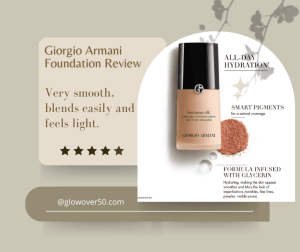
A: I’ve tried many over-50 favorites, and Charlotte’s sits in the hydrating, radiant, medium-coverage lane. Compared with It Cosmetics CC+, this feels lighter and a touch glowier (IT is fuller coverage with SPF). Versus NARS Light Reflecting, Charlotte’s is dewier; NARS is a hair more satin and may wear longer on combo skin. Armani Luminous Silk is elegant and slightly more buildable but less cushy-hydrating. For a budget pick, L’Oréal Age Perfect Serum Foundation gives a similar “skincare-meets-makeup” vibe at the drugstore price. If you’re deciding, skim our best foundations for mature skin (2025) and 5 best drugstore foundations for side-by-side pros/cons, or check Top BB & CC creams for mature skin if you prefer lighter coverage.
Q: Any tips for making foundation last longer on mature skin?
A: Absolutely!
- Prime smartly: Use a gripping or smoothing primer only where you need it (T-zone, pores).
- Thin layers: Build slowly; extra product is what creases. (More in Avoid common foundation mistakes.)
- Press, don’t rub: Stipple with a sponge/soft brush for a skin-like meld (see best brushes & sponges).
- Set strategically: A whisper of finely-milled setting powder on crease-prone or shiny zones; follow this powder technique.
- Finish with mist: A hydrating setting spray melds layers and boosts wear.
- Midday touch-ups: Blot first, then tap a tiny bit of powder—don’t pile on foundation.
- Prep matters: Give skincare/SFP a minute to absorb; then apply (steps in how to prep mature skin).
Q: Is the Charlotte Tilbury Beautiful Skin Foundation worth it for women over 50?
A: For me, yes. If you love a hydrated, radiant, skin-like finish that softens the look of fine lines and dryness, it’s a standout. It’s not the most matte or the most long-wearing, but it delivers that youthful “healthy skin” look with minimal effort—exactly what I want most days. If you’re on a budget, peek at my drugstore foundation favorites; otherwise, Beautiful Skin earns its spot on my vanity and in our best foundations for mature skin lineup.