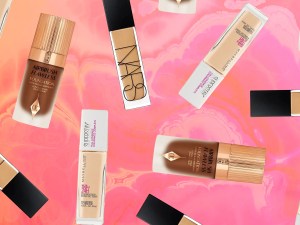

Hey girlfriends! If there’s one thing I’ve learned from years of tweaking my makeup routine on my own mature skin, it’s that concealer can be your best friend—or your worst enemy if it creases into those fine lines we’ve all earned. As a woman over 50 who’s dealt with dryness, dark circles, and that midday settle, I’m sharing my go-to guide on How to Choose Concealer for Mature Skin without the frustration. We’ll skip the product plugs and focus on practical tips, tricks, and advice that actually work for hydrating, line-smoothing results. Pair these with your favorite best foundation for mature skin for a seamless base that feels fresh all day. Trust me, these insights come from real-life trials, expert wisdom, and a lot of mirror checks—let’s make concealer over 50 effortless and empowering.
Our skin evolves with age, losing some moisture and elasticity, so the key is selecting concealers that nourish rather than highlight texture. I’ve noticed that starting with proper prep, like a gentle how to prep mature skin for foundation, prevents half the issues. Stick with me as we cover understanding your needs, must-have ingredients, formula picks, application hacks, crease prevention, common pitfalls, and more—all tailored for that mature skin makeup tips vibe we love.
Table of Contents
Understanding Your Mature Skin’s Concealer Needs
Girlfriends, as we hit our 50s, our skin often becomes thinner and drier, making it prone to creasing if we don’t choose wisely. Focus on concealers that hydrate and flex with your skin’s movement—anything too thick or drying will settle into lines and age us visually. From my experience, assessing your skin type is step one: dry areas need extra moisture, while combination zones benefit from balanced formulas that won’t slide. Check out our Ultimate Makeup Over 50 Guide 25 Expert Makeup Tips.
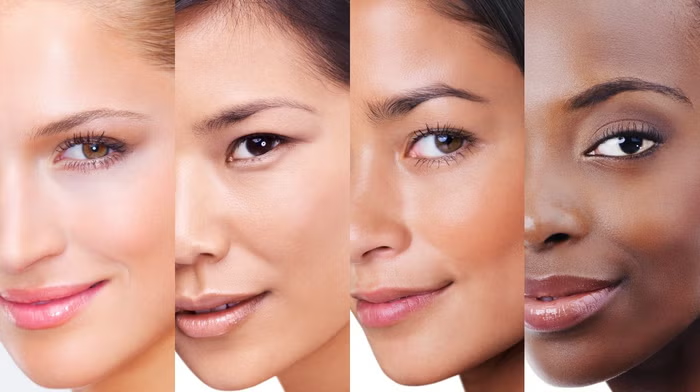
Consider coverage levels too—medium, buildable options let you layer without overload, perfect for under eye concealer for aging skin. Shade matching matters: go half a shade lighter for brightening under eyes, but match your tone for spots to avoid ashy looks. And for concealer for sensitive aging skin, prioritize gentle, non-irritating picks to sidestep redness or flare-ups during hormonal changes. If you react easily, check my guide to skin-friendly ingredients for mature skin.
Texture plays a big role—opt for creamy consistencies that blend seamlessly over top 7 foundations that don’t settle into wrinkles – top 2025 picks. I’ve found that testing in natural light helps spot mismatches, ensuring your concealer enhances rather than detracts from your natural glow. If puffiness is a concern, look for cooling elements that de-puff while covering, keeping everything looking fresh and rested.

Key Ingredients to Seek in Concealers for Hydration and Smoothing
When label-reading, hunt for hydration powerhouses that keep your skin plump and crease-free. Hyaluronic acid tops my list—it draws in moisture to fill fine lines, making blending a breeze without that cakey feel, as seen in recommendations for hyaluronic acid to plump and hydrate mature skin. Glycerin and vitamin E are close seconds, soothing dryness and adding a nourishing barrier for all-day comfort.
For brightening dark circles over 50, niacinamide and caffeine reduce puffiness and even tone gently, turning your concealer into a mini treatment. Peptides are magic for firming, supporting skin’s structure to prevent settling. Natural oils like jojoba or argan provide slip and omega fatty acids, as highlighted in guides on glycerin and licorice root to boost hydration and even tone.
Steer clear of talc or heavy mattifiers—they suck moisture and highlight texture. Instead, look for light-reflecting particles that blur imperfections softly, giving that natural finish concealer for fine lines. Plant extracts such as aloe or centella calm inflammation, ideal if your skin gets reactive, much like the soothing benefits from vitamins B, C, and E for soothing and nourishing mature skin. These elements have transformed my routine from frustrating to flawless, and they’ll do the same for you.
Don’t overlook antioxidants like vitamin C—they brighten and protect against environmental stressors that can worsen lines. From my tests, combining these in a formula creates a barrier that locks in moisture, preventing that dreaded midday crease. If dryness is your main issue, prioritize emollients that mimic skin’s natural oils for seamless integration.
Choosing the Best Formula and Coverage for No-Crease Results
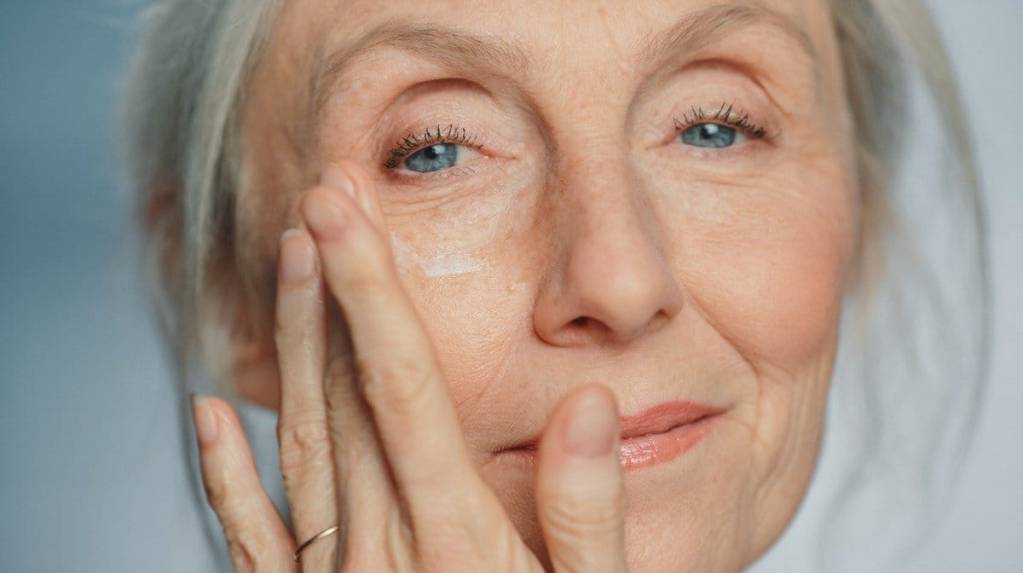
Formula selection is crucial—creamy, emollient types melt into mature skin without tugging or emphasizing lines. Avoid stiff or overly thick ones; they don’t blend well and often crease by noon. Radiant or dewy finishes reflect light away from wrinkles, while mattes can accentuate them, so save those for younger days.
Go for buildable coverage to customize: light for everyday freshening, medium for more pronounced areas like spots. Lightweight concealer for wrinkles with a flexible feel moves with your expressions, preventing cracks. If puffiness is an issue, cooling applicators or gel-like textures de-puff while concealing.
Pair with your base—test over best tinted moisturizers for mature skin or top bb & cc creams for mature skin to ensure compatibility. From trials, hybrid formulas (concealer-meets-serum) offer the best of both worlds for us over 50, providing coverage with skincare perks. Consider wand or doe-foot applicators for precision, reducing waste and over-application that leads to settling.
Think about longevity too—water-resistant options hold up in humidity, but ensure they’re not drying. I’ve switched to serum-infused types that hydrate as they cover, making all-day wear a reality without touch-ups.

Application Techniques to Prevent Creasing on Aging Skin
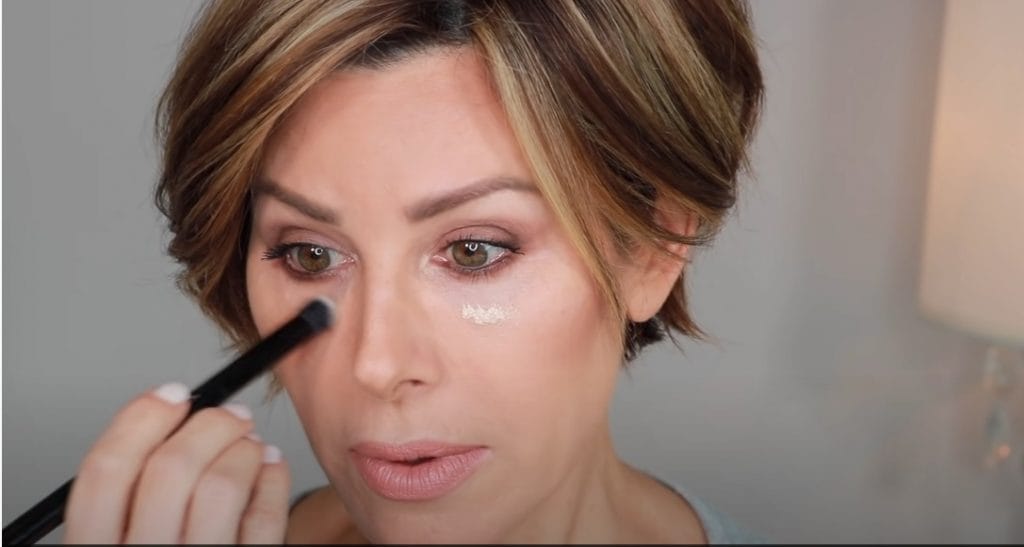
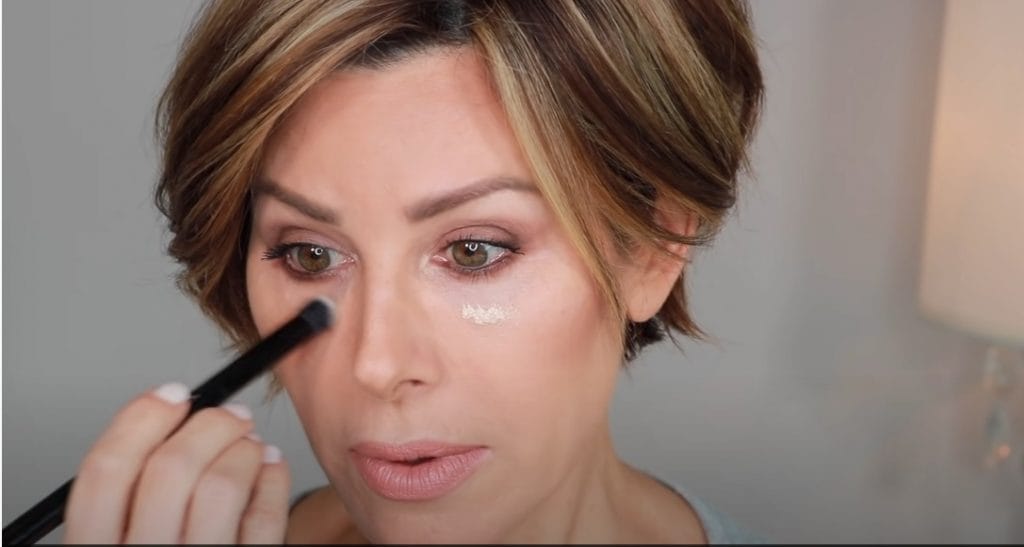
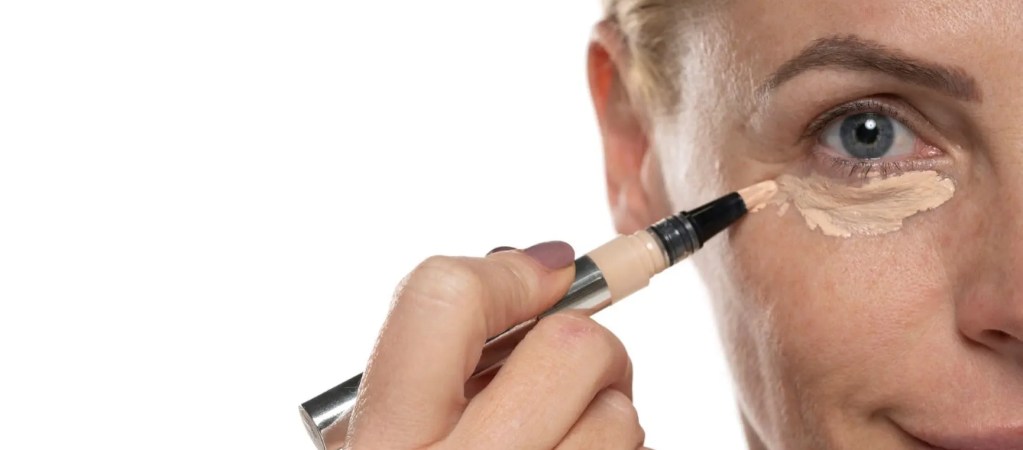
Application is where the magic happens—or the creasing starts—so let’s nail it. Start with prep: hydrate under eyes with a light serum, then apply a primer 101 do older women need primer to grip without heaviness. Dot concealer sparingly in a triangle under each eye for lifting, using your ring finger’s warmth to pat it in gently—never rub, as it pulls skin. On days when my undereyes look particularly parched, I even treat myself to a Korean sheet mask before makeup. Ten minutes of masking gives me a smooth, bouncy base so concealer blends flawlessly.
For spots, use a precise best foundation brushes and sponges for mature skin (top 5 in 2025) to press on, blending edges seamlessly. Let it sit a minute to “grip,” then set lightly if needed. Damp sponges work wonders for diffusing, creating an airbrushed effect without excess product.
Layer thinly over time—build as you go rather than globbing. I’ve found warming concealer on your hand first aids blending, especially on dry days. Finish with a hydrating mist to lock in moisture and blur any edges for that tips to apply concealer on aging skin no creasing. If you’re dealing with crow’s feet, apply in upward motions to lift and smooth.
Experiment with tools: fingers for warmth on dry skin, brushes for precision on spots. Always blend outward to avoid harsh lines, and if using over foundation, wait until the base is semi-set for better adhesion.
Tips to Prevent Concealer from Creasing Throughout the Day
Crease-proofing starts before application: skip thick eye creams under makeup, as they can cause slipping—instead, extend your face primer to the under-eye area for a smooth base. Use a setting spray pre-powder to hydrate and help products adhere longer without drying.
After applying, squint to spot excess settling in lines, then gently remove with a Q-tip or brush before setting. Opt for finely milled, translucent powders applied with a fluffy brush via how to apply setting powder for mature skin in 2025—press, don’t sweep, to avoid disturbing the base.
Touch-ups? Carry a small sponge for patting, not wiping. Hydrate midday with a facial mist to refresh without disrupting. For active days, layer over a grippy 5 best primers for mature skin in 2025 to extend wear. These hacks have saved my look countless times, especially during hot flashes or busy errands.
If you’re outdoors, add a light layer of setting spray with SPF for protection without heaviness. And remember, less product means less creasing—start minimal and add only where needed.

Common Mistakes to Avoid When Using Concealer on Mature Skin
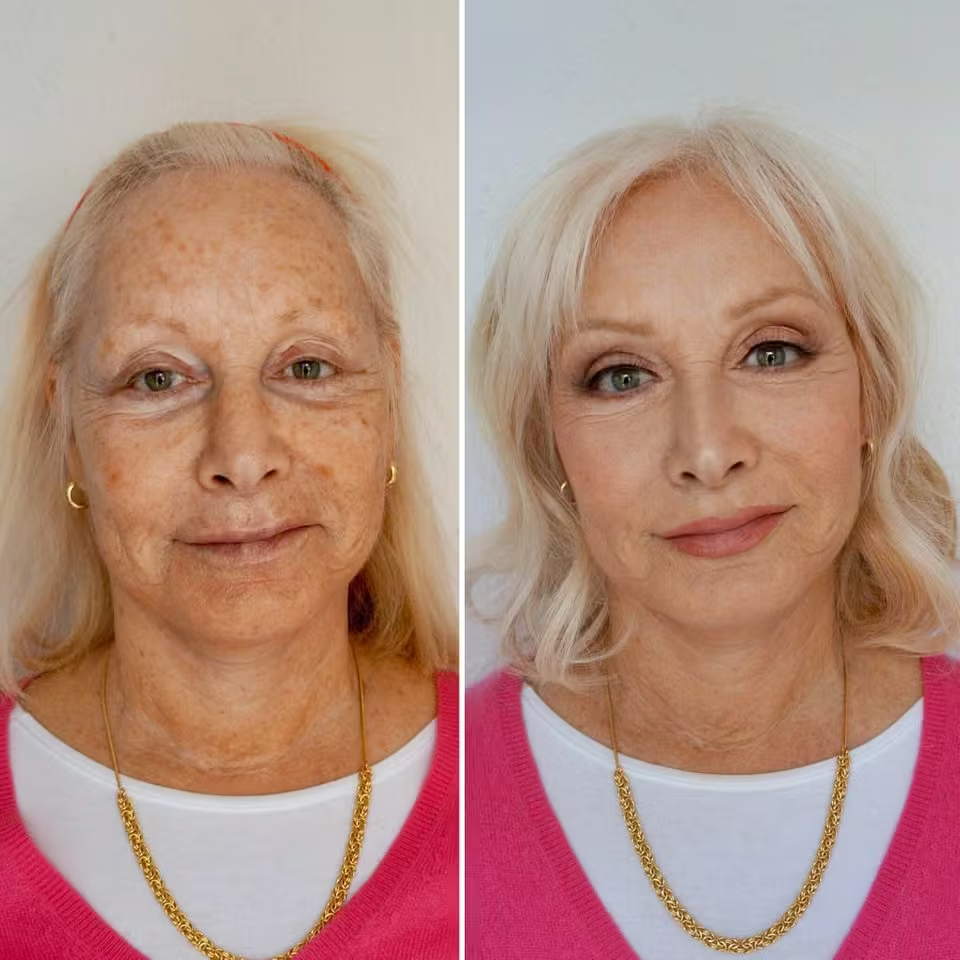
We’ve all been there—too much product leading to caking, or skipping prep and watching it crease. One biggie: over-applying, which overloads fine lines; less is more for a natural veil. Another? Using matte formulas that dry out and highlight texture—stick to hydrating ones instead.
Don’t forget color correction: peach tones neutralize blue circles before concealing, preventing muddiness. Rubbing instead of patting tugs skin, worsening lines over time. And avoid common foundation mistakes on mature skin like mismatched shades—they make concealer stand out awkwardly.
Finally, ignoring setting: a light dust with best setting powders for mature skin locks it in without flatness. Skipping hydration steps leads to flaking, so always moisturize first. Learning these has upped my game tremendously, turning potential disasters into daily wins.
Overlooking your skin’s undertone can cause oxidation, making concealer turn orange midday—test swatches on your jawline. And if you’re layering with blush or bronzer, blend concealer first to avoid muddying colors.
Join the GlowOver50 Newsletter ✨
Stay in the loop with my latest makeup tips, skincare secrets, and honest product reviews — all tailored for women over 50. Subscribe today and keep that gorgeous glow going!
FAQ: Answering Your Concealer Questions for Over-50 Skin
How to prevent concealer from creasing on mature skin?
Oh, girlfriends, this is the million-dollar question! Start by prepping with a hydrating eye serum that absorbs quickly, then pat on a thin layer of concealer using your ring finger for that gentle warmth. Let it sit for a minute to grip the skin before setting lightly with a finely milled powder—pressing, not sweeping, is key to avoid disturbing the base. I’ve found that skipping heavy eye creams right before makeup helps too, as they can cause slipping. For extra insurance, finish with a hydrating mist to lock everything in without dryness. If you’re dealing with deeper lines, try the tips for preventing concealer creasing on aging skin like using a damp sponge for blending, which diffuses edges beautifully. And don’t forget to layer over a hydrating primer for aging skin to create a smooth canvas that holds up all day.
What concealer won’t settle into wrinkles?
Look for creamy, hydrating formulas that flex with your skin’s movement—anything with a radiant or dewy finish will reflect light away from fine lines instead of highlighting them. Avoid matte or thick options that dry out quickly; instead, opt for buildable coverage so you can layer lightly without overload. From my own mirror sessions, starting with less product and building as needed keeps things smooth. Experts suggest focusing on emollient textures that nourish as they cover, like those infused with moisturizing blend of iris extract to prevent creasing on mature skin. Pair this with your top 7 foundations that don’t settle into wrinkles – top 2025 picks for a seamless, wrinkle-resistant base that feels like second skin. Tinted Moisturizers with SPF for Over 50
Which ingredients are best for concealer on dry, aging skin?
Hydration is everything, darlings! Hyaluronic acid is a superstar for plumping and filling those fine lines without heaviness, while glycerin and vitamin E soothe and create a nourishing barrier. Niacinamide helps brighten and even tone, and peptides support skin structure to keep everything firm. Steer clear of talc or mattifiers that zap moisture—instead, seek natural oils like jojoba for slip and comfort. I’ve noticed these turn a basic concealer into a skincare hybrid that works overtime. For more on this, check out the benefits of hyaluronic acid and squalane for skin-plumping and fine-line-minimizing on mature skin. These elements make all the difference in preventing that concealer for dry mature skin without settling.
Is full coverage concealer without caking suitable for over 50?
Absolutely, if you choose wisely—go for buildable, emollient formulas that let you customize without piling on. Full coverage can work wonders for dark circles or spots, but the key is thin layers and hydration to avoid that heavy, cakey feel we dread. In my experience, blending with a damp sponge diffuses it beautifully for a natural look. Pros recommend starting with a moisturizing base to ensure it glides on smoothly, as in advice on hydrating foundations as friends for mature skin to prevent caking. This approach keeps your full coverage concealer without caking fresh and flattering all day.
What’s the best way to apply concealer for fine lines and wrinkles?
Pat, don’t rub—that’s my mantra! Dot it in a triangle under each eye for an instant lift, then gently tap with your ring finger or a damp sponge to blend without tugging delicate skin. Warm the product on your hand first for easier application, and always prep with a light serum to plump the area. For spots, use a precise brush to target and feather edges. I’ve found this method minimizes settling into best under eye concealer for fine lines and wrinkles. Makeup artists suggest softly blending around the eyes with less product for mature types, like the softly blending concealer around the eye versus thick layers for mature skin. Finish by setting with a how to apply setting powder for mature skin in 2025 for lasting smoothness.
How do I choose the right concealer shade for mature skin?
Shade matching can make or break your look—go half a shade lighter than your foundation for under eyes to brighten and lift, but match exactly for spots or redness to avoid ashiness. Test in natural light on your jawline or inner wrist, and consider your undertone: peach for neutralizing blues in dark circles. Over time, I’ve learned to swatch multiple options as our skin tones shift with seasons or hormones. For deeper insights, explore peach undertone for lighter skin or orange for darker skin to cover under eyes. This ensures your how to choose concealer for mature skin feels personalized and glowing.
Should I use color corrector before concealer on aging skin?
Yes, if dark circles or redness are stubborn—peach or orange tones neutralize blues and purples without needing heavy layers, which is gentler on mature skin. Apply sparingly first, let it set, then top with concealer for a seamless veil. It’s a game-changer for me on tired days, reducing the amount of product needed and preventing creasing. Dermatologists often recommend this for even tone, as in strategies for color corrector to hide dark circles with peach or orange undertones. Incorporate it into your brightening concealer for dark circles over 50 routine for that fresh, awake vibe.
What tools are best for applying concealer on mature skin?
Fingers for warmth and natural blending, damp sponges for airbrushed diffusion, and soft brushes for precision on spots—these are my holy trinity! Avoid stiff tools that tug; opt for synthetic, fluffy ones that press product in gently. I’ve switched to these and noticed less irritation and better longevity. Pros advise using a damp makeup sponge to blend, perfect for gently tapping concealer with a fingertip and damp sponge for mature skin. Check out my picks in best foundation brushes and sponges for mature skin (top 5 in 2025) Pair that with our Top Luxury Foundations Worth the Splurge For Mature Skin
How can I make concealer last longer without creasing on dry skin?
Hydrate first with a primer, apply in thin layers, and set with a light, translucent powder using a fluffy brush—then mist with a setting spray for that dewy lock-in. Touch up midday by patting, not wiping, to refresh without buildup. On my dry days, this combo keeps things intact through everything. Experts suggest waiting after eye cream before applying to prevent smearing, like the wait a few minutes after eye cream to avoid smearing on mature skin. This works wonders for hydrating concealer that doesn’t crease over 50.
Is primer necessary under concealer for aging skin?
Girlfriends, it’s a lifesaver! A hydrating primer creates a grippy base that smooths texture and helps concealer adhere without slipping into lines. Skip it, and you might see more creasing by afternoon. I’ve made it a staple in my routine for that extra barrier. Beauty gurus recommend it for even base, as in eye primers for creaseless base on mature skin. Dive deeper with primer 101 do older women need primer to see why it’s essential for setting powder for aging skin.
How to fix concealer that has already creased during the day?
Don’t panic—gently pat with a clean finger or Q-tip to smooth it out, then add a tiny dab of moisturizer or setting spray to rehydrate and blend. If it’s bad, remove with a micellar wipe and reapply sparingly. This quick fix has saved me at many lunch meetings! Pros advise dusting a thick layer of setting powder to bake and prevent future issues, like the baking technique with thick layer of setting powder for crease-free undereye. It’s all about maintaining that no creasing tips for concealer on mature skin.
What finish is best for concealer on mature skin—matte or radiant?
Radiant all the way—it diffuses light to blur lines and gives a youthful glow without emphasizing texture. Matte can dry out and settle, so reserve it for oily spots only. My skin looks more alive with a subtle sheen that mimics natural hydration. Artists confirm radiant for disguising dark circles, as in full-coverage concealer with crease-free wear and moisturizing blend for mature skin. This choice elevates your natural finish concealer for fine lines.
Can I use concealer as a base for eyeshadow on aging eyelids?
Yes, but choose a hydrating one to avoid creasing—dab lightly and set with a translucent powder for grip. It’s a multi-tasker that evens tone and extends shadow wear. I’ve used this trick for quick looks, and it holds up surprisingly well. Experts note it creates an even layer, like nifty eyelid primers for creaseless base without smudging on mature skin. Try it with your best blush and bronzer for mature skin 2025 for cohesive vibes.
How often should I replace concealer for hygiene on sensitive mature skin?
Every 6-12 months, depending on the formula—liquid ones spoil faster, so watch for changes in smell or texture. Clean applicators weekly to prevent bacteria buildup, especially if your skin is prone to irritation. This keeps things safe and effective in my routine. Health pros emphasize this for avoiding infections, as in skin-care prep as key for mature skin to maintain hygiene. It’s crucial for concealer for sensitive aging skin.
What’s the role of setting spray in crease-proof concealer application?
It seals in moisture and sets your look without powder’s dryness, helping concealer stay put through humidity or heat. Spritz lightly after blending for that flexible hold. I’ve added it to my steps and seen less fading. Beauty tips highlight it for sealing cake-free undereye, like the seal in cake-free, crease-free undereye with baking technique. Perfect for enhancing crease-proof concealer reviews for mature under eyes. I tested 10 setting sprays to find which lock makeup in place without drying out mature skin.