Intro
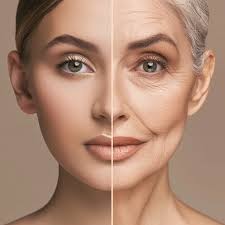
As we age, our skin undergoes many changes, from fine lines and wrinkles to dryness and a loss of elasticity. These changes can make finding the right foundation for mature skin a challenge, especially if you want a product that enhances your natural beauty without settling into creases or emphasizing imperfections. In 2025, there are more innovative foundations tailored specifically for mature skin, offering hydration, anti-aging properties, and buildable coverage for a radiant, youthful glow. For a detailed review of one such standout product, check out our L’Oréal Paris Age Perfect Radiant Serum Foundation Review. In this guide, we’ll walk you through the steps to choose the perfect foundation for mature skin, ensuring that you feel confident and glowing every day.
Table of Contents
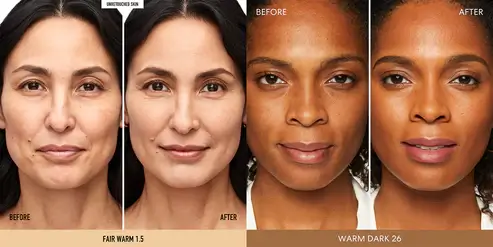
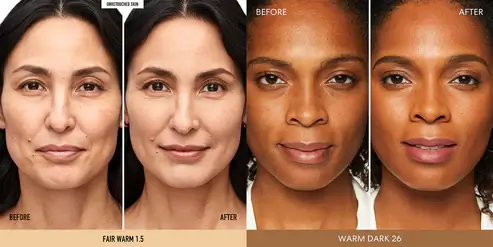
Guide Overview
Choosing the right foundation is not just about the shade match—it’s about selecting a formula that addresses the unique concerns of mature skin. Whether you’re dealing with dryness, fine lines, or a lack of elasticity, the right foundation can make all the difference. This guide will cover the essential factors to consider when choosing your foundation in 2025, including hydration, anti-aging benefits, and coverage. If you’re looking for a list of the top foundations that work wonders for mature skin, check out our best foundation picks for mature skin here or 5 Best Tinted Moisturizers for Mature Skin. Follow these simple steps to find your perfect match and achieve a youthful, glowing complexion. Luxury Foundations Worth the Splurge (Over 50 Edition)
1. Understand Your Skin Type and Concerns
Before diving into foundations, it’s important to assess your skin’s needs. Mature skin can vary significantly from person to person, so understanding your skin type will help you find a foundation that suits you best.

- Dry Skin: If your skin feels tight or flaky, you’ll need a foundation that offers intense hydration. Look for formulas with moisturizing ingredients like hyaluronic acid or glycerin.
- Oily Skin: If your skin tends to get oily throughout the day, opt for a foundation that controls shine while still offering some moisture to prevent dryness around the eyes and mouth.
- Combination Skin: For those with both oily and dry areas, a balanced foundation that hydrates without being too heavy will be ideal. Look for lightweight, long-lasting formulas.
If you’re unsure of your skin type, many beauty retailers offer quizzes that can help you figure out whether you have dry, oily, or combination skin. You can take the Ulta Skincare quiz to get personalized product recommendations based on your skin type and concerns.
2. Look for Hydrating and Skin-Caring Ingredients
As we age, our skin naturally loses moisture, which can make fine lines and wrinkles more pronounced. To combat this, choose a foundation that not only provides coverage but also nourishes the skin.

- Hydrating Ingredients: Look for ingredients like hyaluronic acid, vitamin E, glycerin, or aloe vera, which help to plump and hydrate the skin. One option you may want to consider is the L’Oréal Paris Age Perfect Radiant Serum Foundation, which is designed for mature skin and provides a luminous, smooth finish.
- Anti-Aging Benefits: Many foundations now contain peptides, antioxidants, and SPF to protect and repair the skin. These ingredients can help prevent signs of aging and keep your skin looking youthful.
- Serum-Infused Formulas: Serum foundations or those infused with skincare ingredients often provide a smoother, more radiant finish, while treating the skin over time.
For more tips on building a skincare routine that enhances hydration and keeps your skin looking youthful, check out this guide from the American Academy of Dermatology.
3. Choose the Right Coverage
When it comes to mature skin, the goal is often to find a foundation that provides natural coverage without looking cakey or heavy. Full coverage might seem appealing, but it can sometimes emphasize wrinkles and fine lines. Instead, aim for a buildable foundation with medium coverage that lets your natural skin shine through.
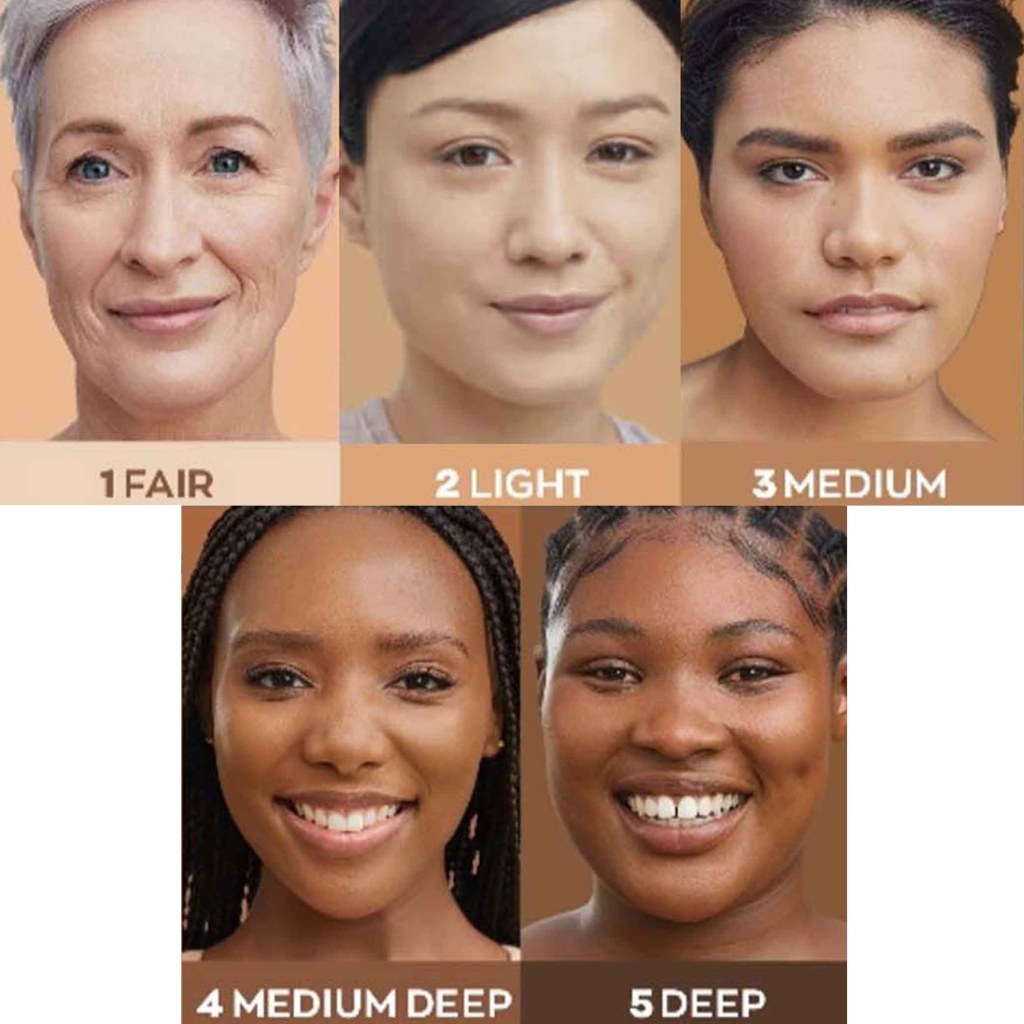
- Light Coverage: If you prefer a more natural look, opt for a lightweight foundation that evens out skin tone without masking your skin’s texture.
- Medium Coverage: For more coverage, but still with a natural finish, choose a buildable formula. This allows you to layer product where you need more coverage, like on redness or uneven pigmentation. I recommend IT Cosmetics Your Skin But Better CC+ Cream, which not only provides buildable coverage but also includes anti-aging benefits. (Full Review)
- Full Coverage: If you want to cover more imperfections, choose a full-coverage foundation with a more hydrating finish, rather than a matte formula, which could be too drying for mature skin.
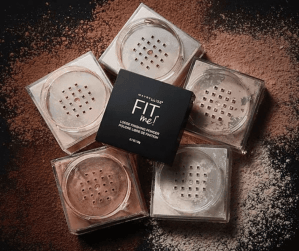
Once you’ve chosen the perfect foundation, using a lightweight setting powder can help blur fine lines and control shine without drying out mature skin.
4. Pick the Right Finish for Your Skin
Mature skin often benefits from foundations with a dewy or satin finish, as these can make the skin look more luminous and youthful. A matte finish can be too harsh and may make dry patches more noticeable.


- Satin Finish: If you have combination or slightly oily skin, a satin finish is a great option. It offers a balance between matte and dewy, providing a natural-looking skin texture.
- Dewy Finish: Opt for foundations with a radiant or dewy finish if you want to give your skin a healthy glow. These formulas help reflect light, making the skin appear smoother and more youthful. foundations like Elizabeth Arden Flawless Finish Foundation are excellent choices.
- Matte Finish: If you have very oily skin, a matte finish may work for you, but be careful to choose one with moisturizing properties to avoid looking flat.
If that’s the part you always get stuck on, my guide on matte vs dewy makeup on mature skin goes much deeper into which finish is actually most flattering.
5. Test Shades and Undertones
Once you’ve narrowed down the type of foundation you want, the next step is selecting the perfect shade and undertone. Many brands offer wide shade ranges, but finding the right undertone can be tricky.
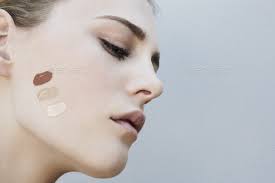

- Determine Your Undertone: There are three main undertones: warm (yellow or golden), cool (pink or blue), and neutral (a mix of both). Knowing your undertone will help you choose a foundation that blends seamlessly with your skin.
- Test in Natural Light: Always test foundations on your jawline in natural light to get the most accurate color match. Don’t rely on artificial lighting, as it can distort the true color.
To find your perfect match, look for brands that offer a wide range of shades and undertones. COVERGIRL & Olay Simply Ageless Foundation provides several shades for different undertones, making it easier to match your skin tone. If you’re torn between premium or affordable options, our guide to luxury vs. drugstore foundations for mature skin
Join the GlowOver50 Newsletter ✨
Stay in the loop with my latest makeup tips, skincare secrets, and honest product reviews — all tailored for women over 50. Subscribe today and keep that gorgeous glow going!
FAQ
What’s the best foundation for dry mature skin?
Look for foundations that are hydrating and have a dewy finish. Foundations with ingredients like hyaluronic acid, glycerin, or ceramides will help maintain moisture and create a smooth, plump texture.
How can I prevent my foundation from settling into fine lines?
Prep your skin with a hydrating primer and use a lightweight, serum-infused foundation. Avoid using too much product in areas with fine lines, and set only lightly with a translucent powder to prevent cakiness. Top 7 Foundations that don’t settle into fine lines
Is full-coverage foundation suitable for mature skin?
Full-coverage foundations can work for mature skin, but be sure to choose a formula with a radiant finish to avoid a heavy, matte look. Build coverage where needed instead of applying a thick layer all over.
How often should I change my foundation as my skin ages?
It’s important to reassess your foundation regularly, as your skin’s needs may change over time. In your 50s and beyond, opt for more hydrating formulas and foundations with added skincare benefits.
What’s the best foundation for mature skin?
If you’re unsure which foundation to choose, we’ve got you covered. Our best foundation guide for mature skin breaks down top picks based on coverage, hydration, and skin benefits.

What’s Next?
Now that you know how to choose the perfect foundation for mature skin in 2025, you’re ready to explore the options available to you! Check out our reviews of top foundations for mature skin Or The Drugstore version!, where we’ll dive deeper into the best products on the market, including L’Oréal Paris Age Perfect, IT Cosmetics Your Skin But Better CC+ Cream, and more. Whether you’re looking for hydration, coverage, or anti-aging benefits, these foundations will help you achieve a radiant, ageless complexion. Stay tuned for more expert tips and product recommendations! Need a good primer to pair with your foundation? Check out our Top 5 Best Primers For Mature Skin