Reaching 50 didn’t just bring me wisdom and confidence – it also ushered in a whole new relationship with my skin. In my younger days I could throw on any old lotion and still look fresh. Now, after decades of sun exposure, late nights and hormonal shifts, my skin tells a different story: it’s thinner, drier and more sensitive, and it doesn’t bounce back the way it used to — as dermatologists explain in this dermatologist-backed guide to active ingredients for mature skin. Collagen and elastin production slow down, which means fine lines and loss of elasticity start to creep in — also covered in the same dermatologist-reviewed explainer on changes after 50. Those changes have taught me that the products we used in our 20s no longer cut it after 50. We need targeted ingredients that hydrate, firm and protect, and we must steer clear of harsh additives that strip away what little moisture we have left. In this epic guide I’ll walk you through the ingredients that have transformed my mature skin, the ones that dermatologists swear by, and the culprits we should avoid like the plague.

I’ve structured this post to make it easy to follow: after explaining how our skin changes with age, I’ll dive into each superstar ingredient, share my personal experiences and product recommendations, and point you to some of my favourite resources. You’ll notice plenty of internal links sprinkled throughout this article – those are your signposts to more in-depth guides on GlowOver50. For example, if you’re curious about choosing a foundation that doesn’t settle into fine lines, check out my guide on Best foundation for mature skin. Want concealers that hydrate instead of cake? I’ve covered that in Best Concealers for Mature Skin 2025. Looking for a lightweight base? Don’t miss Best Tinted Moisturizers for Mature Skin. These posts dive deeper into specific products and techniques – so bookmark them for later!
Another big shift I noticed after 50 was how crucial preparation became. I can no longer slap on foundation and call it a day; without proper skin prep my makeup cakes, settles into creases and makes me look older. That’s why I created How to Prep Mature Skin for Foundation. If you’ve ever wondered why your makeup seems to emphasise wrinkles instead of hiding them, the answer likely lies in your skincare routine. I’ll reference this post throughout the guide because the right prep makes every ingredient work harder.
Finally, know that this isn’t just a dry ingredient list. I’ll share personal anecdotes – what worked for me, what didn’t, and how my skin responded over weeks and months. I’m not a dermatologist, but I am someone with decades of trial and error under my belt. I’ve also backed up every factual claim with credible sources: dermatologists’ advice from Allure, Cleveland Clinic, Dermstore, and NewBeauty articles. You’ll see these external references embedded into descriptive phrases; they’re not there for show, but to support the science behind each ingredient. Ready? Let’s dive deep!
Table of Contents
Understanding Mature Skin
Before we get into the magic ingredients, it helps to understand why our skin behaves differently after 50. Starting in our 30s, the body’s production of collagen and elastin – the proteins responsible for firmness and bounce – begins to decline. By our 50s that decline accelerates, and decades of sun exposure and environmental stressors have accumulated damage — discussed in this dermatologist-reviewed explainer on mature-skin biology. Board-certified dermatologists explain that this leads to thinner, drier, more crepe-y skin that tends to wrinkle and sag — again outlined in a dermatologist-backed overview of what changes after 50. Hormonal changes during menopause further reduce oil production, causing dryness and making it harder to retain moisture. At the same time, cell turnover slows, meaning dead skin cells linger longer on the surface, making our complexion appear dull and uneven.
I remember looking in the mirror one morning after my 50th birthday and wondering why my once luminous skin looked so tired. It wasn’t just the fine lines; it was the overall texture. My cheeks felt rougher, my under-eyes looked hollow, and my forehead seemed more reactive to products than ever before. That’s when I realised I needed to rethink my routine from the ground up. I started researching ingredients that address hydration, firmness, pigmentation and barrier support. I also had to learn which products were doing more harm than good. In the sections below you’ll find what I discovered – a combination of science-backed actives, personal insights, and cautionary tales.
Essential Active Ingredients for Women Over 50
Below you’ll find the heavy hitters – ingredients that made a noticeable difference in my skin’s hydration, firmness and overall radiance. Each subsection includes a description of how the ingredient works, my personal experience, recommended products, and sometimes an internal link to a related GlowOver50 guide. While I’ve summarised the science, please remember that what works for me may not be perfect for everyone. Always patch test new products and consider consulting with a dermatologist before adding potent actives to your regimen.
Retinol (Vitamin A Derivatives)
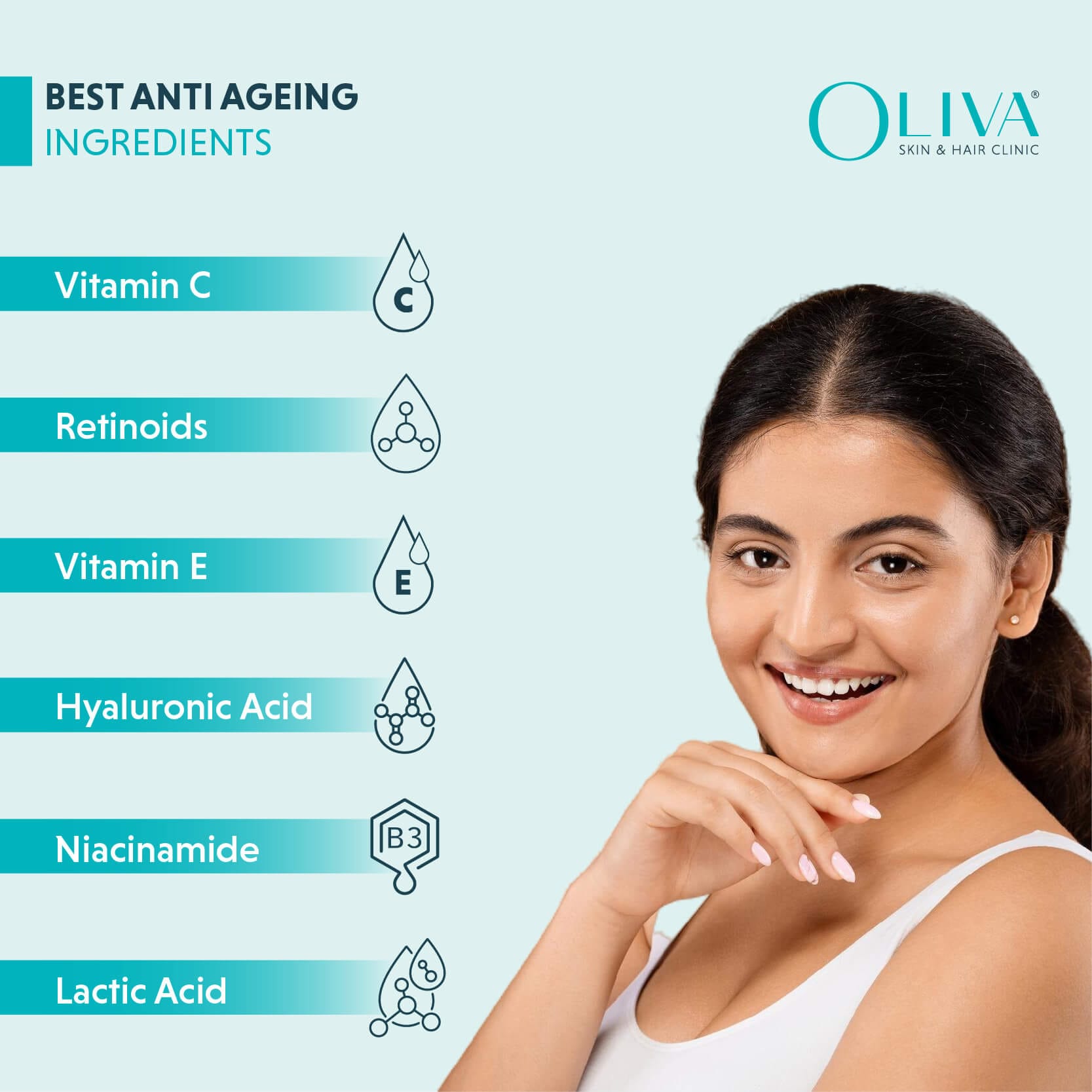
If I could credit one ingredient for rejuvenating my skin after 50, it would be retinol. Retinol belongs to the family of retinoids – vitamin A derivatives known for increasing cell turnover, boosting collagen production, and regulating oil and sebum — see a dermatologist-led explainer on proven actives for mature skin. As dermatologists explained in an article about active ingredients for mature skin, retinoids are considered the “fountain of youth” because they stimulate cell turnover, boost collagen, and regulate oil production — summarised in this dermatologist-reviewed guide to retinoids and mature skin. Decades of research support their ability to reduce fine lines, wrinkles and hyperpigmentation — also discussed here in Allure’s dermatologist-backed round-up. They also help minimise clogged pores and acne, which can still be an issue in menopause due to hormonal fluctuations.

How it works: Retinol penetrates the skin and converts to retinoic acid, which binds to receptors that control cell growth and differentiation. This accelerated turnover encourages newer, healthier cells to surface sooner, smoothing texture and fading dark spots. Retinol also stimulates fibroblasts – the cells responsible for synthesising collagen and elastin – improving skin’s firmness over time — outlined in the same dermatologist-backed explainer. It regulates sebum production, balancing oiliness without over-drying. Unlike harsher prescription retinoids (like tretinoin), over-the-counter retinol is gentler and builds tolerance gradually.
My experience: I started with a 0.25 % retinol cream, applying it twice per week. The first few weeks were rough – my skin peeled and felt dry – but I knew I needed to push through the adjustment period. I kept hydration high and used my favourite Best Tinted Moisturizers for Mature Skin to give my skin a break from full foundation. After six weeks I saw smoother texture and less noticeable forehead lines. Pigmentation from old blemishes faded, and my cheeks looked plumper. Now I use a 0.5 % retinol serum every other night and my skin handles it well. I always apply a rich moisturizer afterwards and never skip SPF the next morning – retinol increases sun sensitivity, so protection is non-negotiable — as reinforced in dermatologist guidance on pairing actives with daily SPF.
Recommended products:
- SkinMedica Retinol Complex – This serum offers varying strengths (0.25 %, 0.5 %, 1 %) so you can build tolerance gradually. Dermatologists love it because it combines retinol with soothing ingredients that minimise irritation — see dermatologist-reviewed buying notes within Allure’s actives guide. It’s pricey, but a little goes a long way, and the airless pump keeps the formula stable. At about $64, it’s a worthwhile investment for serious results.
- Lyfetrition Retinol Serum
When I want a real “smooth by morning” night, I reach for Lyfetrition Retinol Serum. It gives my over-50 skin a gentle push to look more even and refined, without leaving me red or flaky the next day, as long as I keep it to a few nights a week and follow with a nourishing cream. - Lyfetrition Anti Wrinkle Serum
This is my “I’ve got a big day tomorrow” treatment. Lyfetrition’s Anti Wrinkle Serum combines smoothing actives with hydrating ingredients so fine lines around my mouth and cheeks look a little softer and makeup sits more evenly by morning.
Application tips: Always introduce retinol slowly. Start with twice a week and use a pea-sized amount on clean, dry skin. Avoid using other potent actives (like AHAs, BHAs or vitamin C) on the same night to reduce irritation. Follow with a hydrating cream rich in ceramides, such as those mentioned later. If you experience peeling or redness, cut back to once a week until your skin adjusts. Never apply retinol to damp skin – you’ll risk deeper penetration and more irritation – and always wear sunscreen the next day — reiterated in this dermatologist-backed routine guidance.
Pros & Cons
Pros
- Proven to reduce wrinkles, hyperpigmentation and acne — dermatologist-reviewed evidence summary
- Stimulates collagen and elastin for firmer skin — dermatologist explainer
- Regulates oil production and minimises clogged pores
- Builds tolerance over time; multiple strengths available
Cons
- May cause dryness, peeling and redness during adjustment
- Increases photosensitivity – requires diligent sunscreen use — why daily SPF is non-negotiable
- Can be expensive; results take weeks to months
By adding retinol to my routine, I laid the foundation for smoother, more even skin. It sets the stage for makeup that doesn’t settle into fine lines and provides a glowing canvas. If you’re looking for a foundation that complements retinol-treated skin, check out my Best foundation for mature skin guide for options that won’t cling to dry patches.
Hyaluronic Acid
If there’s one ingredient that instantly relieves the dry, tight feeling many of us experience after 50, it’s hyaluronic acid. This sugar molecule is naturally present in our skin, where it binds water and keeps tissues plump. But hyaluronic acid levels decline with age, leading to dryness and loss of elasticity — explained in a dermatologist-backed primer on HA for mature skin. Topical hyaluronic acid acts like a sponge: it draws moisture from the environment into the skin and can hold up to 1,000 times its weight in water — also noted in the same dermatologist-reviewed explainer. In fact, a dermatologist-backed article describing hyaluronic acid as a hydration superhero that improves elasticity and gives mature skin a dewy glow explains why this humectant softens fine lines and imparts a luminous finish.

How it works: Hyaluronic acid is a humectant, meaning it attracts water. When applied to damp skin, it pulls moisture from the air and deeper skin layers to hydrate the surface — summarised in this dermatologist-led explainer on humectants vs. occlusives. Pairing it with ceramides (to seal) prevents that water from evaporating — a synergy dermatologists outline in a ceramides-and-barrier health guide.
My experience: I always apply a hyaluronic acid serum to damp skin right after cleansing. In winter, when my cheeks usually turn flaky, hyaluronic acid has become my saviour. I like to layer it under moisturisers containing ceramides to lock in the hydration — advice echoed in the dermatologist’s guide to ceramides and the skin barrier. On makeup days, that extra hydration helps foundation glide smoothly and prevents cracking or emphasising fine lines. If foundation still looks thirsty, skim Avoid Common Foundation Mistakes on Mature Skin.
Recommended products (examples):
- Lyfetrition Hyaluronic Acid Serum
- Eucerin Immersive Hydration / Moisture Boost Serum
- Lyfetrition Dermal Pluming Serum
Application tips: Apply after cleansing (to damp skin), then seal with a ceramide cream.
Pros: Immediate plumping; friendly to sensitive skin; plays well with retinol, peptides and vitamin C.
Cons: Needs an occlusive/ceramide seal in dry climates (see ceramide barrier guidance).
Peptides
Peptides are one of those buzzy ingredients I used to ignore – until I saw what they could do for my skin. A peptide is a string of amino acids, and amino acids are the building blocks of proteins like collagen and elastin. According to dermatologists, peptides act as messengers that tell skin cells to produce more collagen and elastin — summarised in Allure’s dermatologist-reviewed overview of signal peptides. They also help repair damage and maintain a firm, resilient skin structure. Because peptides are smaller than full proteins, they can penetrate the skin barrier more easily and deliver targeted benefits.
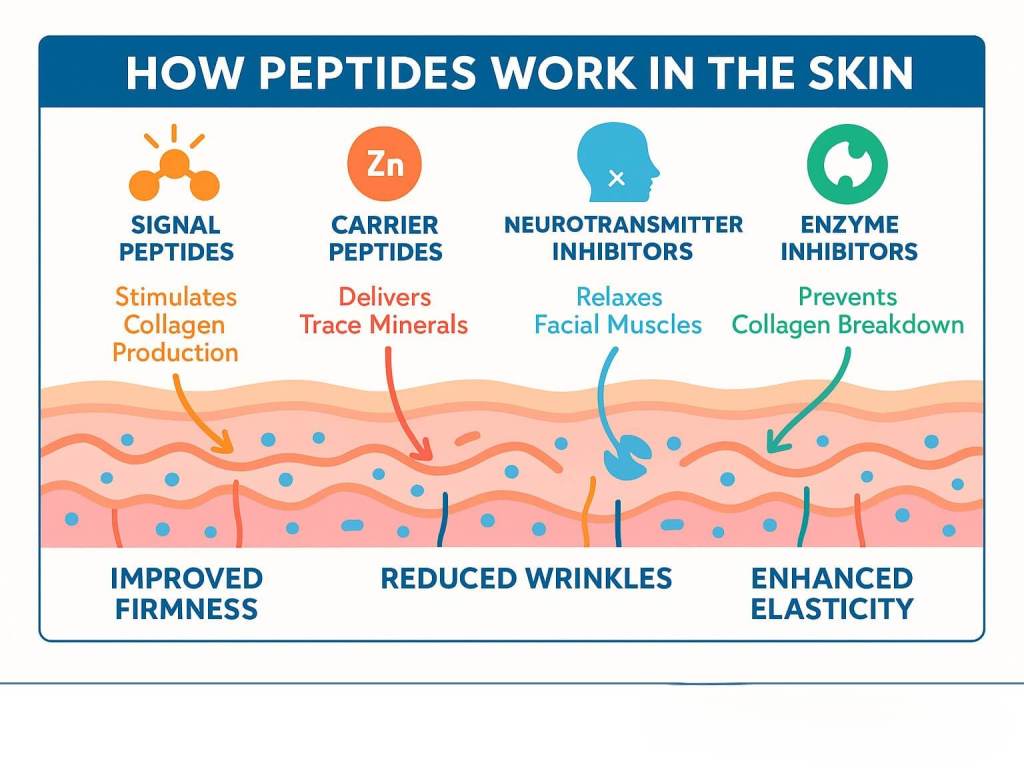
How it works: There are many types of peptides (signal peptides, carrier peptides, neurotransmitter-inhibitor peptides and enzyme-inhibitor peptides), but the most common in skincare are signal peptides. These molecules bind to receptors on fibroblasts and instruct them to ramp up production of collagen and elastin — see this dermatologist-led explainer of peptide classes. Some peptides also help with wound healing and have antioxidant properties. The result is firmer, smoother skin with improved elasticity. Because peptides are generally well tolerated, they’re a great addition for people who can’t handle more aggressive anti-aging ingredients.
My experience: I incorporated peptides into my routine after a period of over-exfoliation left my skin feeling fragile. I used a peptide serum morning and evening for two months, and by the end I noticed a definite improvement in firmness. My laugh lines were still there, but less pronounced, and my cheeks felt bouncier. Peptides also seemed to speed up healing from occasional blemishes. I noticed fewer dry patches, which I attribute to peptides’ ability to signal for barrier repair. Pairing peptides with a ceramide-rich moisturizer amplified the results — a synergy dermatologists highlight in this ceramide-and-barrier health guide. If you’re curious about layering peptides with makeup, my guide on Best Setting Powders for Mature Skin explains how to lock in a dewy finish without accentuating texture.
Recommended products:
- Alastin Skincare Restorative Complex – Dermatologists rave about this product for its proprietary blend of peptides that stimulate collagen and elastin — called out in Allure’s dermatologist-reviewed actives guide. It’s expensive (around $230), but a little goes a long way, and it’s particularly helpful after procedures like microneedling or laser treatments. I tried a deluxe sample and loved how quickly my skin recovered.
- Lyfetrition Ultra Youth Serum
This is my “little lift in a bottle.” Lyfetrition Ultra Youth Serum uses peptides and antioxidants to help my skin look a bit firmer and more awake, especially along the jawline and cheeks where I’ve lost some bounce. - Olay Regenerist Micro-Sculpting Cream – This classic drugstore cream features peptides, niacinamide and hyaluronic acid. It’s thick and nourishing without feeling greasy. I like to use it in winter when my skin needs extra love.
- Lyfetrition Youth Renewal Serum
On nights when I don’t want strong actives but still want anti-aging benefits, I go for Lyfetrition Youth Renewal Serum. It’s a soothing, peptide-rich formula that keeps my skin feeling supple and cushioned by morning. - Lyfetrition Skin Repair Serum
Whenever my barrier feels cranky – tight, a bit over-exfoliated, or wind-burned – I reach for Lyfetrition Skin Repair Serum. It’s a calming, barrier-supporting blend that helps my skin feel comfortable again so makeup doesn’t catch on dry patches.
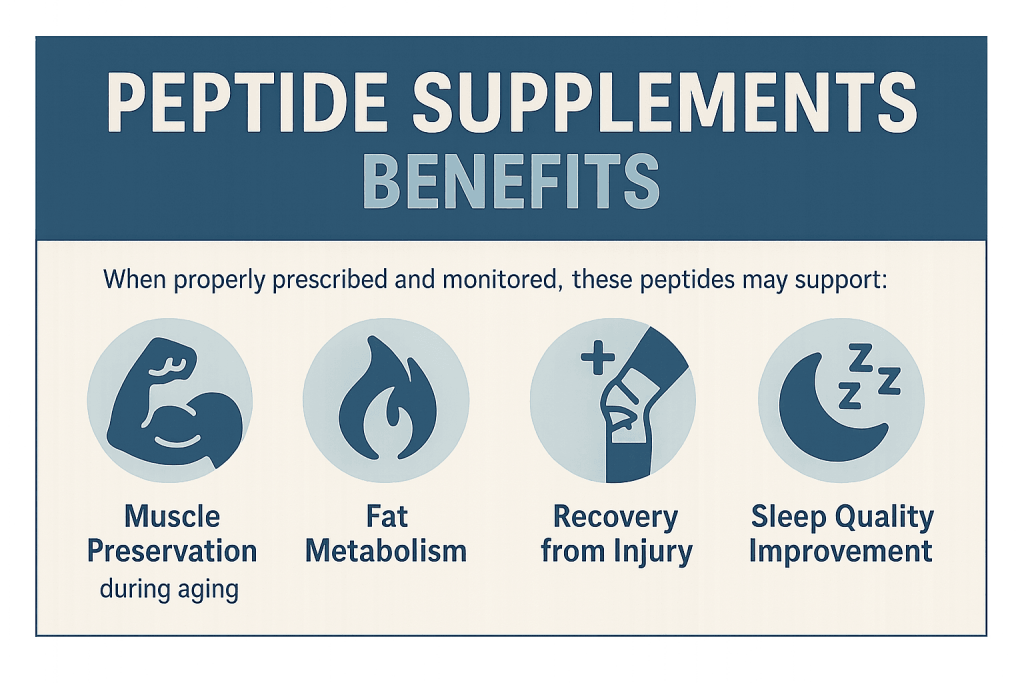
Application tips: Peptides are generally gentle enough to use twice daily. Apply peptide serums after cleansing and before heavier creams. They pair beautifully with other actives like niacinamide and hyaluronic acid. Avoid layering peptides directly with strong acids (like AHAs and BHAs) which may degrade them — instead, alternate nights or use peptides in the morning.
Pros & Cons:
Pros
- Stimulate collagen and elastin production — dermatologist overview
- Improve firmness and elasticity; reduce fine lines
- Support skin-barrier repair — ceramide/barrier guide
- Suitable for most skin types and safe for daily use
Cons
- Results are gradual — you’ll need consistent use for months
- Premium peptide products can be expensive
- May not deliver dramatic results compared to retinol
If you’re looking for a firming boost without the irritation of retinoids, peptides are worth exploring. They work especially well in combination with ceramides and hyaluronic acid, creating a powerful barrier-building trio — a combo supported in this ceramide-barrier explainer. To keep your makeup looking flawless while your skin firms up, take a look at Top 7 Foundations that Don’t Settle into Wrinkles – Top 2025 Picks for formulas that complement firmer skin.
vitamin C (Ascorbic Acid)
Vitamin C isn’t just for boosting immunity – it’s a powerhouse for skin health. As an antioxidant, vitamin C neutralises free radicals created by UV rays and pollution — explained in a dermatologist-backed active-ingredient explainer. Free radicals damage collagen and elastin, leading to sagging and wrinkles. Vitamin C also helps suppress melanin production, which reduces hyperpigmentation and brightens skin — outlined in the same dermatologist-reviewed guide to proven actives. According to dermatologists, it even helps prevent the “browning” effect of oxidation on skin — a comparison they make in Allure’s dermatologist-led overview.

How it works: Vitamin C (ascorbic acid) donates electrons to neutralise free radicals, stopping the chain reaction that causes oxidative damage. It also acts as a cofactor for prolyl and lysyl hydroxylase, enzymes essential for collagen synthesis. By promoting collagen production and inhibiting melanin formation, vitamin C helps maintain firmness and even out skin tone — described in this dermatologist-reviewed explainer. It’s most effective at concentrations of 10–20 % and works best when used in the morning under sunscreen — guidance repeated in Allure’s evidence-based roundup.
My experience: I’ve tried countless vitamin C serums, and I finally found one that delivers results without irritation: La Roche-Posay’s Pure Vitamin C Face Serum. This serum contains 10 % vitamin C and ferulic acid, an antioxidant that helps stabilise vitamin C and enhance its efficacy. After a month of daily use, my sun spots faded noticeably and my skin looked brighter. Vitamin C can cause stinging initially, so I started by applying it every other morning. I always follow it with a moisturiser and broad-spectrum sunscreen to protect the newly synthesised collagen from UV damage — a must reinforced in dermatology-backed SPF guidance. On days when I wear foundation, I find that vitamin C provides a smooth base and reduces oxidation (that dreaded orange tint) later in the day. If you’re curious about choosing the right foundation to pair with vitamin C, consult How to Choose the Right Foundation for Your Skin.
Recommended products:
- La Roche-Posay Pure Vitamin C Face Serum – A 10 % vitamin C serum with ferulic acid and hyaluronic acid. Dermatologists recommend using it in the morning under sunscreen for maximum protection and brightening — noted in Allure’s dermatologist-reviewed actives guide. At about $45, it’s a mid-range option that consistently delivers.
- SkinCeuticals C E Ferulic – The gold standard: 15 % vitamin C, 1 % vitamin E and ferulic acid. Its patented formula offers superior stability and penetration, but it comes with a high price tag (around $182) — often referenced in dermatologist-curated roundups. I splurge on a bottle once a year when my skin needs a serious boost.
- The Ordinary Vitamin C Suspension 23 % + HA Spheres 2 % – A budget option for those comfortable with higher concentrations. It can feel a bit gritty, so I mix it with a few drops of hyaluronic acid to improve texture.
- TruSkin Vitamin C Serum
If you want just one brightening step, I still think TruSkin’s Vitamin C Serum is a great workhorse. It gives my skin a fresher, more even tone over time, and I like that it also includes vitamin E and hyaluronic acid so it doesn’t feel harsh on drier, over-50 complexions.
Application tips: Vitamin C is best used in the morning to protect against environmental aggressors throughout the day. Apply after cleansing and before your moisturiser and SPF. Store vitamin C serums in a cool, dark place to prevent oxidation — you’ll know it’s gone bad when it turns brown or smells funky. If you have sensitive skin, start with a lower concentration and increase gradually. Some routines avoid layering vitamin C with niacinamide in the same step; unless a formula is designed for it, I alternate or use vitamin C in the morning and niacinamide at night.
Pros & Cons:
Pros
- Neutralises free radicals and prevents oxidative damage — Allure’s dermatologist-reviewed evidence summary
- Stimulates collagen production — dermatology explainer
- Fades dark spots and evens skin tone — active-ingredient guide
- Enhances sun protection when used under SPF — SPF rationale
Cons
- Can cause stinging or irritation, especially at high concentrations
- Unstable — oxidises quickly if not stored properly
- High-quality formulations can be expensive
Vitamin C has become a staple in my morning routine. It brightens my complexion and sets the stage for makeup that stays true to colour all day. If you’re exploring antioxidant-rich bases, my Best Tinted Moisturizers with SPF for Over 50 post includes several options containing vitamin C derivatives for extra protection and glow.
Niacinamide (Vitamin B3)
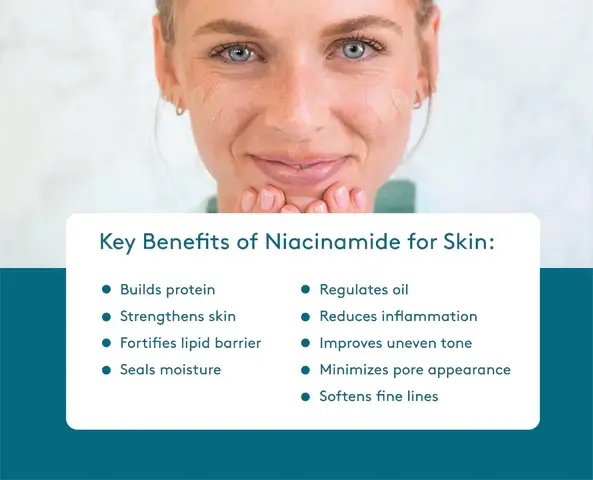
Niacinamide may not get as much hype as retinol or vitamin C, but it deserves a top spot in any over-50 skincare routine. This form of vitamin B3 is a multi-tasker: it strengthens the skin barrier by promoting ceramide production, improves hydration, soothes inflammation, regulates oil and brightens uneven tone. As outlined in a Cleveland Clinic overview explaining that niacinamide helps build keratin and reinforces the skin’s lipid barrier, consistent use supports firmness and resilience while calming redness. It’s also well tolerated by most skin types and rarely causes irritation. When I’m wearing matte or long-wear foundation, a niacinamide serum helps me stay hydrated without looking shiny by midday. For application and finish tricks, see Best Setting Powders for Mature Skin and Avoid Common Foundation Mistakes on Mature Skin.
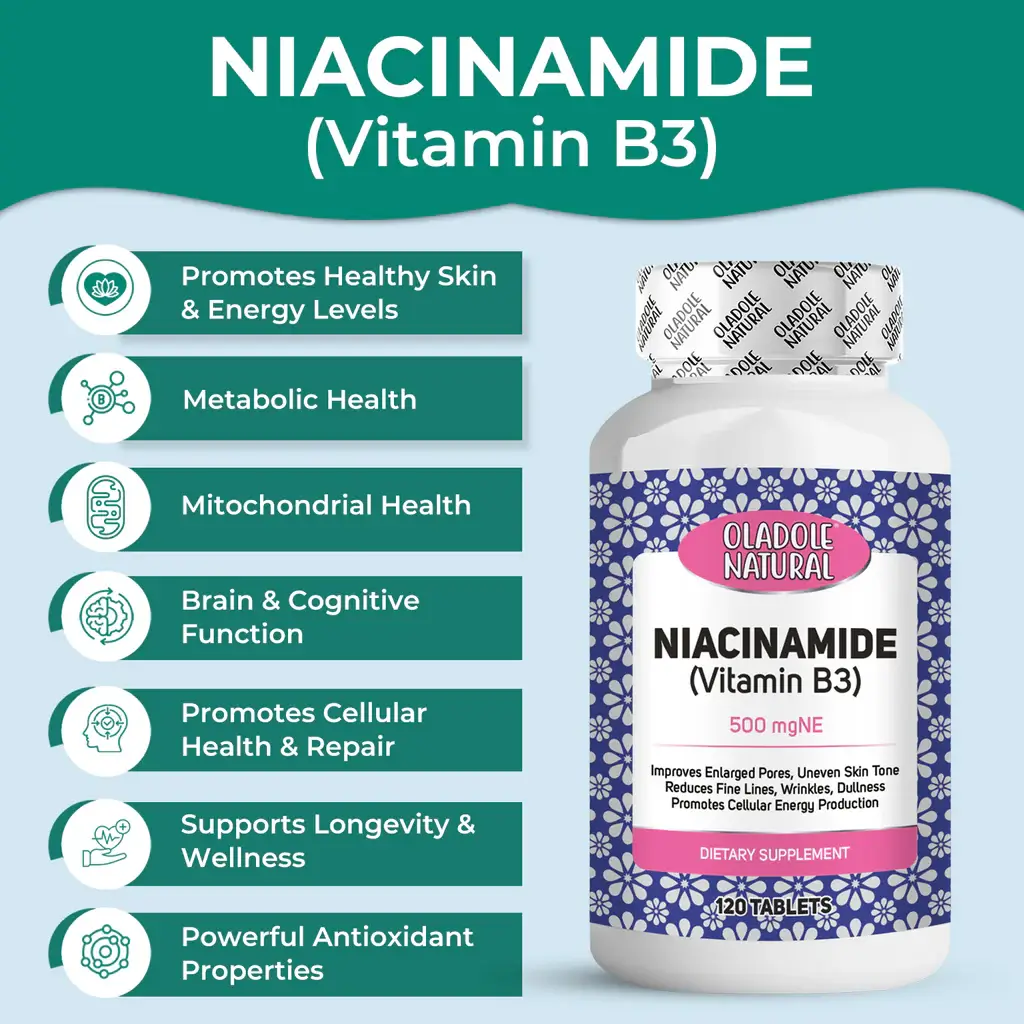
How it works: Niacinamide enhances the function of the skin’s lipid barrier, which is responsible for locking in moisture and keeping irritants out — details in the Cleveland Clinic explainer on niacinamide’s benefits. By strengthening this barrier, it reduces transepidermal water loss and increases skin’s resilience. Niacinamide also modulates sebum production, which helps minimize the appearance of pores — covered here. Its anti-inflammatory properties calm redness and irritation, making it useful for conditions like acne, rosacea and eczema — explained here. Additionally, niacinamide inhibits melanosome transfer, reducing dark spots and evening skin tone — outlined here.
My experience: I initially added niacinamide to my routine to calm redness around my nose and cheeks. I used a 5 % serum twice daily and saw a reduction in redness within two weeks. Over the next month my skin felt more hydrated and less oily in the T-zone. I also noticed that my vitamin C serum seemed to work more effectively; strengthening the barrier helps antioxidants do their job — a point echoed here. I now use niacinamide both morning and night, alternating with more active ingredients. On days when I’m wearing a matte foundation, niacinamide helps regulate oil so I don’t look shiny by midday. To see how niacinamide pairs with different base products, read Best Setting Powders for Mature Skin and Avoid Common Foundation Mistakes on Mature Skin.
Recommended products:
- The Ordinary Niacinamide 10 % + Zinc 1 % – One of the most affordable and effective niacinamide serums. It combines 10 % niacinamide with 1 % zinc to further regulate oil. I like it for controlling shine and reducing the look of pores. It can feel tacky on its own, so I layer a moisturizer over it.
- Paula’s Choice 10 % Niacinamide Booster – A lightweight booster that can be added to your moisturizer or used alone. It also contains calming licorice root extract to soothe irritation. I love mixing a few drops into my day cream for added barrier support.
- Charlotte Tilbury Magic Water Cream – This luxury cream features niacinamide and peptides to strengthen the skin barrier and create a smooth canvas for makeup. It’s pricey at $100, but a little goes a long way and it’s one of my go-tos for special occasions.
Application tips: Niacinamide is very stable and can be used both morning and night. Apply it after cleansing and before heavier serums or creams. It layers well with most ingredients, including hyaluronic acid and peptides. If you’re using strong actives like retinol or vitamin C, consider using niacinamide in the opposite routine (morning vs. night) or allowing a few minutes between layers to avoid potential interaction. Niacinamide serums are available in concentrations from 2 % to 20 %. Start with 5 % if you have sensitive skin and increase as tolerated. Remember that more isn’t always better – higher percentages can sometimes cause flushing or irritation.
Pros
- Strengthens the skin barrier and improves hydration — Cleveland Clinic
- Calms inflammation and redness — Cleveland Clinic
- Minimizes the appearance of pores and regulates oil — Cleveland Clinic
- Fades dark spots and brightens skin — Cleveland Clinic
- Generally well tolerated and safe for sensitive skin — Cleveland Clinic
Cons
- High concentrations can cause temporary flushing or irritation
- Results may take several weeks to become noticeable
- Doesn’t provide dramatic anti-wrinkle effects on its own – best used with other actives
Niacinamide is a quiet hero in my routine. It supports my skin’s barrier so other actives can work without irritation. It also plays well with makeup, helping to control shine and smooth texture. For tips on choosing concealers that pair well with niacinamide, check out How to Choose Concealer for Mature Skin.
Ceramides
If you picture your skin’s outer layer as a brick-and-mortar wall, ceramides are the mortar that holds the bricks (skin cells) together. A guide on ceramides notes that these molecules are naturally occurring lipids that make up an essential part of the skin barrier — see this derm-reviewed explanation. Ceramides make up almost 50 percent of the lipids in the outermost layer of the skin (the stratum corneum) and are essential for skin barrier function. They help create a seal to prevent loss of water, as outlined here. As we age, a decrease in your skin’s natural ceramides—which can happen with age and constant exposure to environmental stressors—can make your skin susceptible to dryness, dehydration, irritation, and inflammation, which the same guide explains in this passage. The good news: ceramides can help improve skin barrier function, moisture retention, and calm irritated or sensitive skin — exactly what mature skin needs — as noted here.
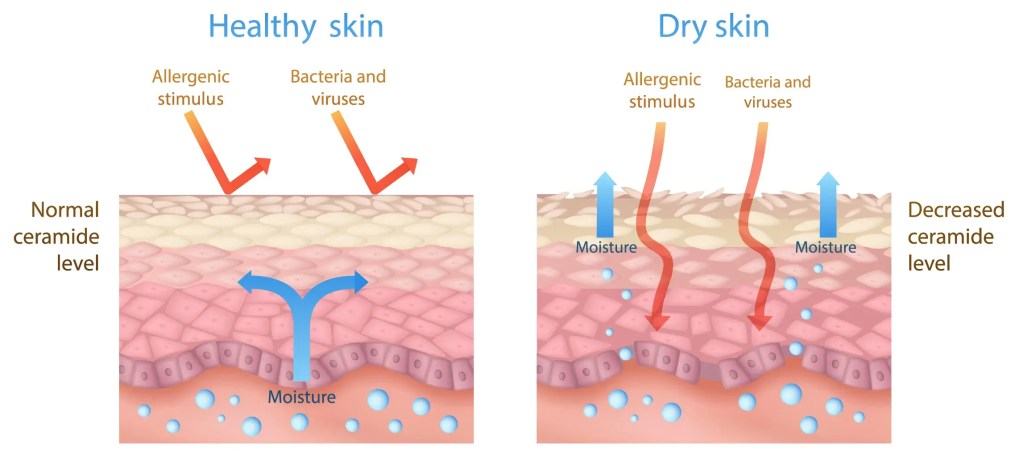
How it works: Ceramides are long-chain lipids that sit within the skin barrier’s “mortar.” The barrier itself is essential in trapping moisture within the skin’s layers and preventing dryness and trans-epidermal water loss (TEWL) — see this highlighted section. By reinforcing that seal, ceramides help your skin hold onto hydration and keep irritants out. Because ceramides are naturally present in our skin, they’re generally well tolerated and play nicely with other actives.
My experience: When I hit menopause my skin became unbearably dry. Heavy creams sat on top without sinking in—until I switched to a ceramide-rich moisturizer. Within days my skin felt calmer and more hydrated; over several weeks the redness diminished and makeup stopped settling into dry patches. Ceramides truly changed my skin’s resilience. If your base still looks thirsty, primers help too; I listed my favourites in Best Primers for Mature Skin in 2025.
Recommended products:
- CeraVe Moisturizing Cream – Ceramides (1, 3, 6-II) + hyaluronic acid for classic barrier repair.
- Dr. Jart+ Ceramidin Cream – Rich ceramides with a silky, makeup-friendly finish.
- Biossance Squalane + Omega Repair Cream – Ceramides + omega fatty acids for deep comfort.

Application tips: Use ceramide creams morning and night as the last step of your skincare (before SPF during the day). Apply them over humectants like hyaluronic acid to seal in water. If you’re using potent actives, ceramides can buffer irritation and support recovery between “active” nights.
Pros & Cons
Pros
- Restore and strengthen the skin barrier — derm-reviewed explanation
- Lock in moisture / reduce water loss (TEWL) — highlighted section and this passage
- Calm irritated or sensitive skin — benefits noted here
Cons
- Some formulas can feel heavy on oilier skin
- Results focus on comfort/barrier (you’ll still want brighteners/retinoids for spots and deep lines)
- Higher-end ceramide creams can be pricey
Sunscreen (SPF)
It doesn’t matter how many serums and creams you apply if you skip sunscreen. UV radiation is the number one cause of visible aging, including wrinkles, dark spots and loss of elasticity. Board-certified dermatologists agree that daily sunscreen use is the most effective way to prevent premature aging — see the same dermatologist-backed explainer. Even indoors, UVA rays penetrate windows and break down collagen. It’s never too late to start protecting your skin – you’ll prevent further damage and allow your skincare products to work more effectively.
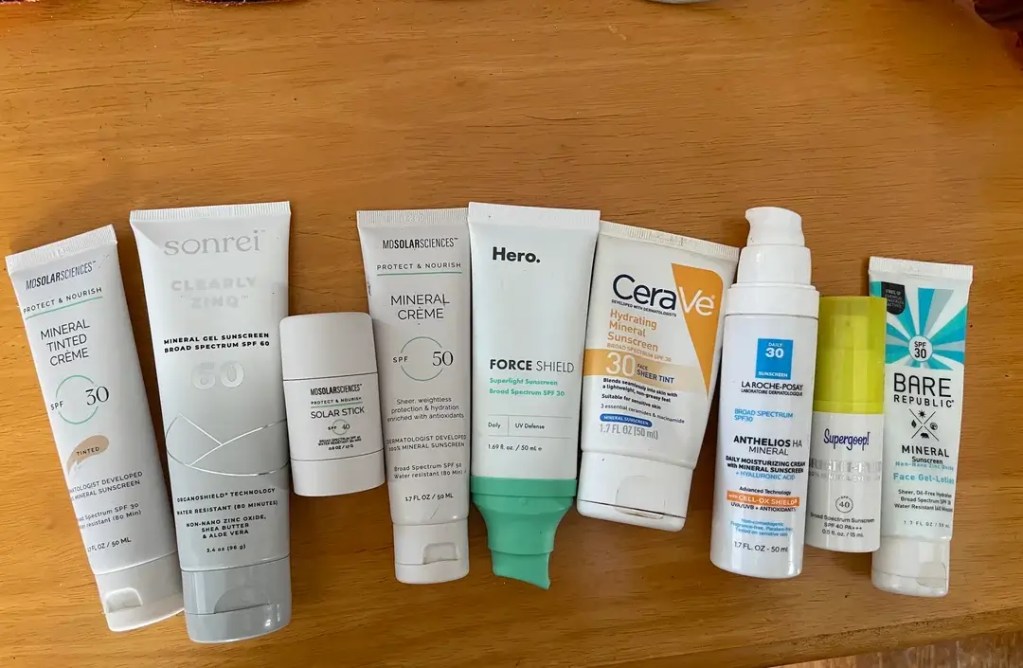
How it works: Sunscreens contain active ingredients that either absorb (chemical sunscreens) or reflect (mineral sunscreens) UV radiation. Mineral formulas with zinc oxide and titanium dioxide sit on the skin’s surface and bounce UVA and UVB rays away. They’re ideal for sensitive skin and provide immediate protection. Some chemical sunscreens (like avobenzone and octocrylene) absorb UV rays and convert them into heat, which is then released from the skin. Many modern sunscreens combine both types for broad-spectrum coverage.
My experience: I’ll admit I didn’t take sun protection seriously until my 40s, and I regret it. Now I wear at least SPF 30 every single day, rain or shine. I prefer mineral formulas because they’re less likely to irritate my skin. I apply a quarter teaspoon to my face and neck after my moisturizer and before makeup. When I’m outdoors, I reapply every two hours and use a powder SPF to touch up over makeup. Sunscreen has not only prevented new sun spots but has helped existing hyperpigmentation fade. I also notice less redness when I consistently protect my skin. If you need help selecting the right SPF for your skin type, consult my Top BB & CC Creams for Mature Skin and Tinted Moisturizers with SPF for Over 50 posts.
Recommended products:
- Isdin Eryfotona Actinica Ultralight Emulsion Broad Spectrum SPF 50+ – A lightweight mineral sunscreen with DNA repair enzymes; satin finish that works well under makeup.
- Supergoop Unseen Sunscreen SPF 40 – A clear, primer-like chemical sunscreen that layers invisibly and smooths texture.
- EltaMD UV Physical Broad-Spectrum SPF 41 – A tinted mineral sunscreen that blurs and calms; ideal for sensitive skin.

Application tips: Apply sunscreen as the final step in your morning skincare routine (before makeup). Don’t rely on makeup with SPF alone – you need a dedicated sunscreen to ensure adequate coverage. Use at least a nickel-sized amount for the face and a shot glass full for the body. Reapply every two hours when outdoors, and more often if swimming or sweating. Don’t forget the ears, neck and back of the hands – these areas show sun damage quickly. If you’re wearing makeup, opt for powder or spray sunscreens to reapply without disturbing your look.
Pros & Cons:
Pros
- Prevents wrinkles, dark spots and loss of elasticity — dermatologist-backed rationale
- Essential for protecting against skin cancer
- Allows other skincare ingredients to work effectively by preventing additional damage
- Many modern formulas are lightweight and cosmetically elegant
Cons
- Must be reapplied frequently for full protection
- Some formulas can leave a white cast or feel greasy
- High-SPF products may be expensive
Sunscreen is the final and most important step in every morning routine. It safeguards the investment you’ve made in other skincare products and ensures your complexion stays as youthful as possible. For more on pairing sunscreen with foundation, check out How to Apply Setting Powder for Mature Skin in 2025 — a good powder can help set your SPF and give a flawless finish.
Other Beneficial Ingredients
While the star players above have transformed my skin, there are plenty of supporting ingredients worth mentioning. These include coenzyme Q10 (CoQ10) for antioxidant protection and cellular energy, bakuchiol as a gentler alternative to retinol that still supports collagen, alpha-hydroxy acids (AHAs) for gentle exfoliation and improved product absorption, and nourishing lipids like squalane. I use these selectively, choosing formulas that combine them with my core actives for an extra boost when my skin needs it.
Targeted Treatments for Redness, Texture & Glow
- Lyfetrition Azelaic Acid Serum I reach for Lyfetrition Azelaic Acid Serum when redness and little uneven bumps are bothering me. It’s a great option if you want a more even, calm-looking complexion without going straight to very strong acids.
- Lyfetrition Glycolic Serum For gentle but effective exfoliation, I like using Lyfetrition Glycolic Serum once or twice a week at night. It helps smooth rough texture and soften the look of sun spots so my foundation glides on instead of grabbing.
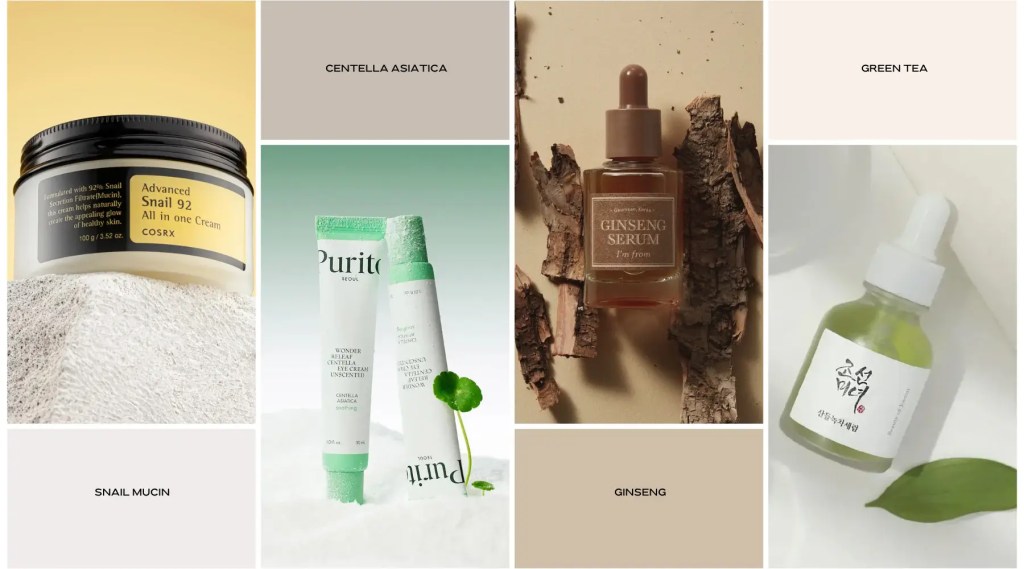
- Lyfetrition Snail Mucin Serum When my skin is dry but easily irritated, snail mucin is my secret weapon, and Lyfetrition’s Snail Mucin Serum fits perfectly into that routine. It gives that “K-beauty glass skin” slip, helping my face look dewy and calm rather than tight and flaky.
- YouthVibe Anti Aging & Anti Wrinkle B5 Resurfacing Serum If you like the idea of resurfacing but fear irritation, the YouthVibe B5 Resurfacing Serum is a nice middle ground. It pairs gentle exfoliating ingredients with soothing vitamin B5 so my skin looks smoother and a bit brighter without feeling stripped.

Ingredients and Products to Avoid After 50
Not all skincare is created equal. As our skin becomes more fragile and sensitive, certain ingredients can do more harm than good. Dermatologists often point out that mature skin is more prone to dryness, irritation and inflammation; a NewBeauty feature highlights how fragrance can trigger redness and allergic reactions, and also cautions against sulfates, harsh scrubs, strong acids, alcohol and certain preservatives. Here’s what I avoid and why.

Fragrance
Added fragrance may make a product smell luxurious, but it’s a common irritant. Mature skin reacts more strongly to fragrance, leading to inflammation, redness and allergic reactions. I’ve experienced this firsthand: a beautifully scented moisturizer left my cheeks beet-red and itchy. Now I opt for fragrance-free or naturally scented products. When I want a hint of scent, I layer in a few drops of rosehip oil.

Sulfates
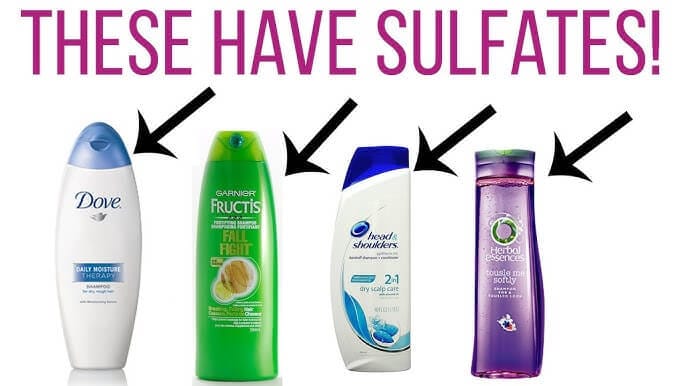
Common in foaming cleansers and shampoos, sulfates (like sodium lauryl sulfate) strip the skin of its natural oils. This can leave mature skin excessively dry and irritated. I switched to sulfate-free cleansers and my skin felt instantly more comfortable. If you love a foamy texture, look for cleansers that use gentle coco-glucoside or decyl glucoside instead.
Harsh Scrubs and Physical Exfoliants
Those gritty scrubs we used in our teens can wreak havoc on aging skin. Large particles can cause microtears and lead to redness, dryness and dullness. Dermatologists recommend gentle exfoliation using small, uniform particles or chemical exfoliants instead. I reserve physical scrubs for my body and stick to mild AHAs for my face.

Strong Acids in High Concentrations
AHAs and BHAs can benefit mature skin at low percentages, but high levels can over-exfoliate and damage the skin barrier. I once used a 30% glycolic acid peel and regretted it for weeks. My skin was red, flaky and sensitive to everything. Now I stick to 5–10% exfoliants and limit use to once or twice a week.
Toners
Traditional toners often contain alcohol or astringents that strip the skin of moisture. Mature skin needs all the hydration it can get, so toners can cause more harm than good. Instead, I use hydrating essences or mists. If you love the ritual of a toner, choose an alcohol-free formula with humectants like glycerin.

Alcohol-Based Products
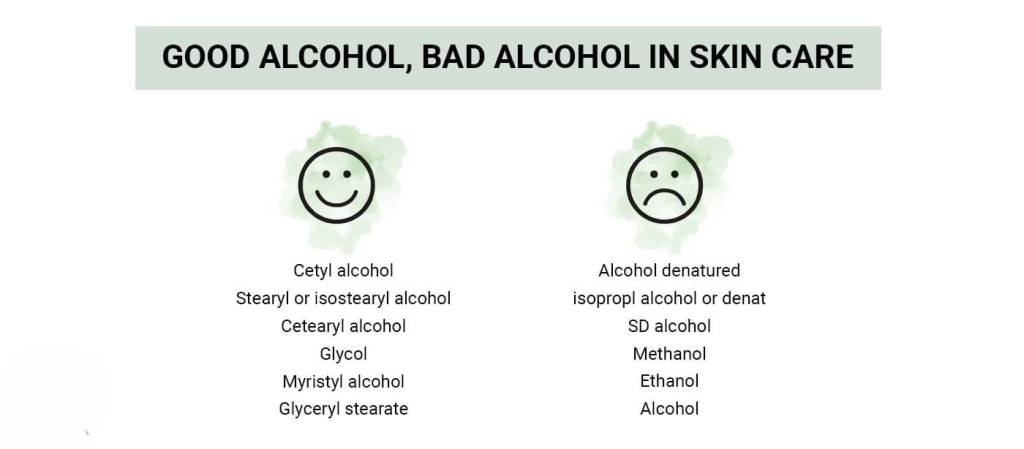
Denatured alcohol is sometimes used in skincare for a quick-drying effect, but it can deplete the skin and cause excessive dryness, inflammation and a disrupted barrier. Mature skin already has reduced oil production, so drying it out further is counterproductive. I always scan ingredient lists and avoid products where alcohol is listed high on the label.
Preservatives and Irritating Additives
Some preservatives (like parabens and formaldehyde releasers) can cause irritation and redness, especially on mature skin. While preservatives are necessary for product safety, I try to choose formulas with gentler preservatives like phenoxyethanol. I also avoid dyes and unnecessary fillers.
Heavy Moisturizers Without Actives
It’s tempting to slather on the thickest cream you can find when your skin feels dry, but heavy moisturizers with no active ingredients often just sit on top of dead skin and don’t address the root cause. Dermatologists recommend using products containing antioxidants, hyaluronic acid or retinoids instead. Once I started using lightweight, active-rich creams, my skin felt nourished rather than smothered.
These ingredients may not harm everyone, but they’re particularly problematic for mature skin. If you’re ever unsure about a product, patch test it on your arm and monitor for irritation. And when in doubt, consult a dermatologist or esthetician. For more advice on avoiding common pitfalls, see Avoid Common Foundation Mistakes on Mature Skin.

How to Layer Your Skincare Routine
Using the right ingredients is only half the battle – you also need to apply them in the correct order to maximise their effectiveness. After years of trial and error (and plenty of pilling), I’ve settled on a sequence that keeps my skin happy and my products performing at their best.
Cleanse: Start with a gentle, sulfate-free cleanser to remove makeup, sunscreen and impurities without stripping your skin. If you wear heavy makeup, consider a double cleanse with an oil cleanser followed by a water-based cleanser.
Tone/Essence: If you like using a toner or essence, choose one that hydrates and prepares the skin for serums. Avoid alcohol-based toners that dry out the skin.
Eye Cream (optional): Apply eye cream before heavier serums to ensure it can penetrate. Look for formulas with peptides and hyaluronic acid to plump fine lines around the eyes. Try this KAZIPA Anti Aging Eye Cream
Serums and Actives: Apply serums from thinnest to thickest. In the morning I use vitamin C for antioxidant protection and follow with niacinamide if needed. At night I alternate between retinol and peptides, depending on how my skin feels.
Hydration (Humectants): Apply hyaluronic acid on damp skin to draw in moisture. If your serum already contains hyaluronic acid, you can skip this step.
Moisturize and Seal: Use a ceramide-rich moisturizer to lock in hydration and repair the barrier. If your skin is extremely dry, follow with a facial oil like squalane to seal everything in.
SPF (Morning only): Finish with a broad-spectrum sunscreen of at least SPF 30. Remember to reapply throughout the day.
This routine ensures that each ingredient has a chance to penetrate and work effectively. It also reduces the risk of irritation by separating potent actives. For more on prepping skin before makeup, see How to Prep Mature Skin for Foundation.
My Favourite Product Reviews
In this section I’ll review some of the products that have made the biggest difference in my 50-plus skincare routine. For each one, I’ll explain why it’s great for mature skin, share application tips, and discuss pros and cons. If there’s a dedicated GlowOver50 review, I’ll link to it using “Full Review Here!” as the anchor text. Feel free to skip ahead to the products that interest you most, or read them all for a comprehensive overview.
SkinMedica Retinol Complex

Why It’s Great for Mature Skin
SkinMedica’s Retinol Complex is a dermatologist-recommended product that offers a retinol solution in three strengths: 0.25 %, 0.5 % and 1 %. The formula combines retinol with soothing ingredients like niacinamide and ceramides, which help reduce irritation and support the barrier. Board-certified dermatologists note that the varying concentrations allow users to build tolerance gradually. I appreciate that the airless pump keeps the retinol stable, meaning it won’t oxidise as quickly.
Application Tips
Start with the lowest concentration and apply a pea-sized amount to clean, dry skin in the evening. Avoid using on damp skin, and follow with a moisturizing cream to buffer potential irritation. Use twice per week for the first month and increase frequency as tolerated. Always wear sunscreen the next day to protect your new skin cells (see the explanation of what SPF actually is in this quick refresher from dermatologists at Allure).
Pros & Cons
Pros
- Customisable strength options
- Includes soothing ingredients to reduce irritation
- Airless pump preserves potency
Cons
- Expensive at around $64
- Can cause dryness and peeling during the adjustment period
See my in-depth experience and results in Best foundation for mature skin.
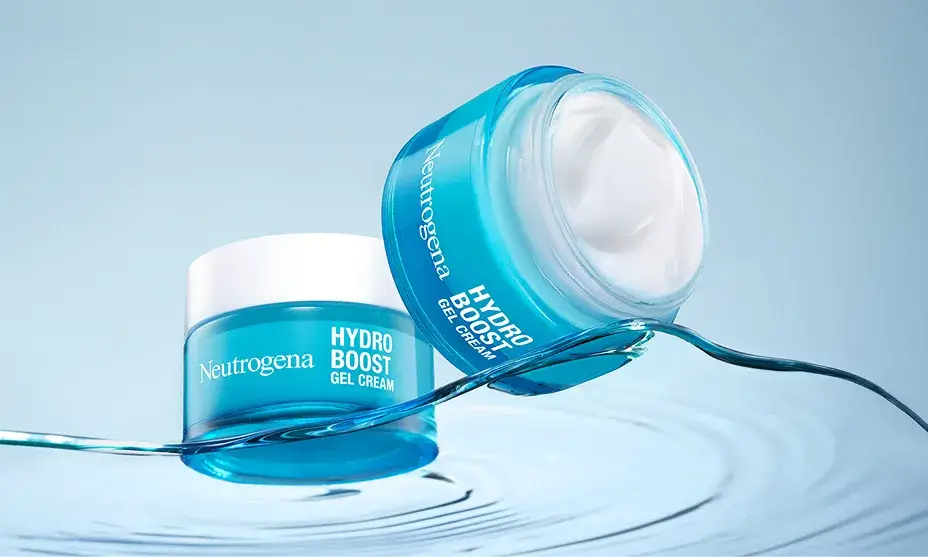
Neutrogena Hydro Boost Gel Cream
Why It’s Great for Mature Skin
This drugstore favourite uses hyaluronic acid to deliver long-lasting hydration and a plump, dewy finish. Dermatologists love it because it combines a lightweight gel texture with moisturizing lipids and amino acids for all-day comfort. It’s oil-free, non-comedogenic and works well under makeup — hyaluronic acid draws moisture into the skin and can hold up to 1,000 times its weight in water.
Application Tips
Apply a generous amount to damp skin after serums. You can use it morning and night. For extra hydration, layer a few drops of squalane oil on top. In summer I wear it alone; in winter I pair it with a thicker cream.
Pros & Cons
Pros
- Affordable at about $23
- Lightweight and non-greasy
- Provides intense hydration for all skin types
Cons
- May not be moisturizing enough for very dry skin in winter
- Contains dimethicone, which some people prefer to avoid
Dive into more product details in Best Tinted Moisturizers for Mature Skin.
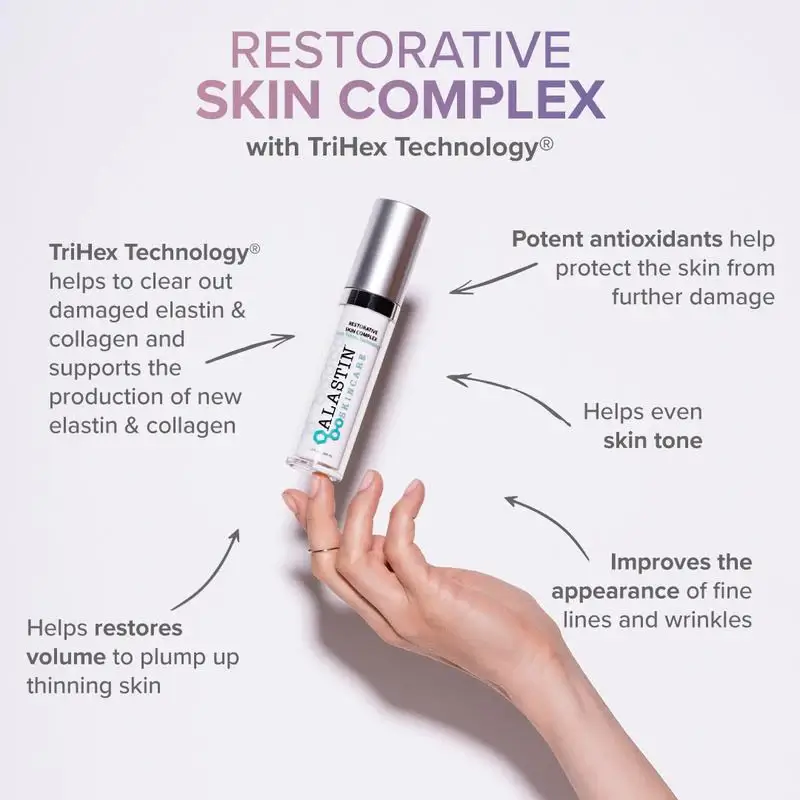
Alastin Skincare Restorative Complex
Why It’s Great for Mature Skin
Alastin’s Restorative Complex is a high-end peptide serum that stimulates collagen and elastin production (peptides act as messengers that tell skin cells to produce more collagen and elastin; the same feature explains why pros recommend peptides for firmness and repair). It contains a proprietary TriHex Technology® blend of peptides and botanicals designed to repair and rebuild the skin’s extracellular matrix. Dermatologists recommend it for post-procedure recovery and for those seeking significant firming and smoothing.
Application Tips
Use one pump on clean skin twice daily. It layers well under creams and sunscreen. Because it’s expensive, I save it for targeted use when my skin needs a boost (after harsh weather or a bout of irritation). Consistency is key – it takes several weeks to see firming results.
Pros & Cons
Pros
- Stimulates collagen and elastin for firmer skin
- Ideal for post-procedure recovery
- Contains soothing botanicals
Cons
- Very expensive (around $230)
- Results are gradual
- Limited retail availability – often sold through dermatologists
See how it performed in my routine at Best Setting Powders for Mature Skin (I used it under various powders and share the results).
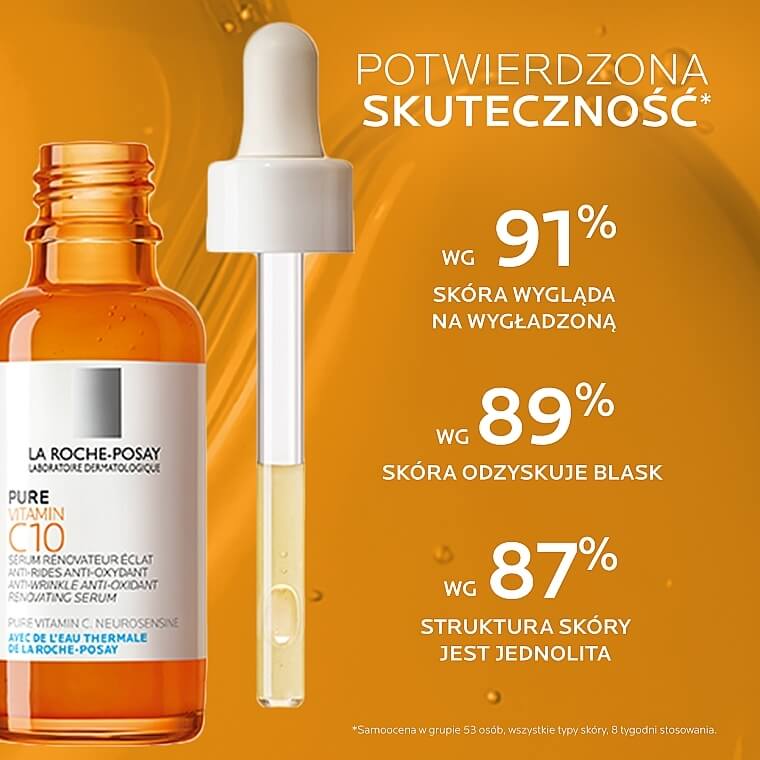
La Roche-Posay Pure Vitamin C Face Serum
Why It’s Great for Mature Skin
This serum combines 10 % vitamin C with ferulic acid and hyaluronic acid. It provides antioxidant protection, brightens dark spots and improves collagen synthesis (why vitamin C brightens and supports collagen). Dermatologists recommend using it in the morning under sunscreen for maximum efficacy. I love that it absorbs quickly and doesn’t pill under makeup.
Application Tips
Apply 3–4 drops to clean skin in the morning. Follow with a moisturizer and SPF. If you experience stinging, use it every other day until your skin adjusts. Store in a dark, cool place to maintain potency.
Pros & Cons
Pros
- Brightens and evens skin tone
- Antioxidant protection under SPF
- Lightweight, non-greasy formula
Cons
- Pricey at about $45
- Can cause mild tingling on sensitive skin
- Vitamin C is unstable – may oxidise before you finish the bottle
Read more about my results and how it interacts with different foundations in How to Choose the Right Foundation for Your Skin.
Eucerin Face Immersive Hydration Moisture Boost Serum

Why It’s Great for Mature Skin
This serum features multiple sizes of hyaluronic acid to hydrate both the surface and deeper layers of the skin (why hyaluronic acid is such a hydration workhorse). It’s formulated to provide long-lasting moisture and improve elasticity. I appreciate its lightweight texture – it absorbs quickly and leaves a smooth base for makeup. Board-certified dermatologists recommend it for dry, volume-depleted skin and note that it stimulates fibroblasts to produce more hyaluronic acid.
Application Tips
Use 2–3 drops on damp skin after cleansing. Follow with a ceramide cream to lock in the hydration (ceramides help seal in moisture and support the barrier). In humid climates you can use it alone; in dry climates you may want to pair it with a heavier moisturizer or a facial oil.
Pros & Cons
Pros
- Hydrates both surface and deeper layers
- Lightweight and fast-absorbing
- Suitable for sensitive skin
Cons
- Contains fragrance, which may bother some
- Needs to be sealed with another moisturizer to prevent water loss
See how this serum fits into a complete routine at How to Prep Mature Skin for Foundation.
Comparison Table of Recommended Products
Below is a comparison of the five products reviewed above. The table summarises key features like price, SPF value (if any), finish, coverage and best use. Skincare benefits are listed succinctly to help you choose the right product for your needs.
| Product Name | Price | SPF | Finish | Coverage | Best For | Skincare Benefits |
|---|---|---|---|---|---|---|
| SkinMedica Retinol Complex | $64 | N/A | Serum | N/A | Fine lines, wrinkles | Boosts collagen; refines texture |
| Neutrogena Hydro Boost Gel Cream | $23 | N/A | Dewy | N/A | Dry or combo skin | Hydrates; plumps; smooths |
| Alastin Restorative Complex | $230 | N/A | Serum | N/A | Loss of firmness | Stimulates collagen/elastin |
| La Roche-Posay Pure Vitamin C Serum | $45 | N/A | Serum | N/A | Hyperpigmentation | Brightens; neutralises free radicals |
| Eucerin Moisture Boost Serum | $20 | N/A | Gel | N/A | Dehydrated skin | Deep hydration; improves elasticity |
Note: These products do not provide coverage like foundation; they’re skincare treatments. For coverage options that contain skincare benefits, see Best foundation for mature skin or Best Tinted Moisturizers for Mature Skin. Prices are approximate and may vary by retailer.
Join the GlowOver50 Newsletter ✨
Stay in the loop with my latest makeup tips, skincare secrets, and honest product reviews — all tailored for women over 50. Subscribe today and keep that gorgeous glow going!
Frequently Asked Questions (FAQs)
Below are some of the questions I receive most often from friends, readers and fellow makeup lovers. If you have a question that isn’t covered here, feel free to drop a comment on GlowOver50 – I love hearing from you!
What foundation won’t settle into wrinkles for mature skin?
Foundations that are lightweight, hydrating and flexible are best for mature skin. Look for formulas with skincare benefits like hyaluronic acid, peptides or ceramides. Avoid heavy, matte foundations that can emphasise texture. My Best foundation for mature skin guide covers both luxury and drugstore options that won’t sink into fine lines. For an even lighter option, consider the Top BB & CC Creams for Mature Skin.
Which tinted moisturizer is best for dry, aging skin?
Tinted moisturizers combine lightweight coverage with skincare benefits. Choose one with hydrating ingredients like hyaluronic acid, squalane or glycerin, and one that offers sun protection (at least SPF 30). My favourites include BareMinerals Complexion Rescue and Laura Mercier Tinted Moisturizer. For a full list, see Best Tinted Moisturizers for Mature Skin and Tinted Moisturizers with SPF for Over 50.
Is powder or liquid foundation better after 50?
It depends on your skin type. Liquid foundations with hydrating formulas tend to be more forgiving on dry or mature skin because they provide moisture and flexibility. Powders can work if they’re finely milled and infused with skincare ingredients, but they may emphasise dryness. If you prefer powder, choose one designed for mature skin and always prep with a hydrating base. See How to Apply Setting Powder for Mature Skin in 2025 and Best Setting Powders for Mature Skin.
How often should I use a hydrating sheet mask?
Hydrating sheet masks are a great way to boost moisture levels. For mature skin, using one or two sheet masks per week is ideal. Look for masks with hyaluronic acid, ceramides or peptides. After masking, press the remaining serum into the skin and follow with a ceramide cream to seal it in. I love using a sheet mask before events; it plumps my skin and makes foundation glide on effortlessly. For more hydration tips, see 25 Expert Tips for a Flawless Ageless Look.
When should I apply primer and do I really need it?
Primers create a smooth canvas for makeup and can extend wear time. They’re particularly useful when you’re dealing with enlarged pores, texture or dryness. Choose a primer with skincare ingredients like peptides, ceramides or hyaluronic acid. Apply primer after your moisturizer and before foundation. For more details, see Primer 101: Do older women need primer? and Best Primers for Mature Skin in 2025.
How can I choose the right concealer for mature skin?
Look for concealers that are hydrating, flexible and provide medium coverage. Ingredients like hyaluronic acid and peptides help prevent creasing and caking. Avoid very thick, high-coverage formulas that settle into fine lines. Apply a thin layer and blend gently with a damp sponge. For shade matching and product recommendations, check How to Choose Concealer for Mature Skin and Best Concealers for Mature Skin 2025.
How do I prevent my makeup from melting off during menopause hot flashes?
Hot flashes can make makeup slide right off your face. To combat this, start with a lightweight, hydrating base and use long-wear formulas. Apply a gripping primer to help foundation adhere. Set your makeup with a finely milled setting powder, focusing on the T-zone. Carry blotting papers and a compact powder for touch-ups. For product suggestions, read How to Apply Setting Powder for Mature Skin in 2025. Don’t forget to drink plenty of water and stay cool – internal hydration impacts external appearance.

Conclusion
Reaching our 50s is an invitation to celebrate ourselves and our skin. With the right ingredients, the right order of application and mindful product choices, we can enhance our natural beauty and feel confident in our own skin. Retinol smooths and firms, hyaluronic acid plumps and hydrates, peptides rebuild and repair, vitamin C brightens, niacinamide strengthens, ceramides lock in moisture, and sunscreen protects everything we’ve worked so hard to achieve. By avoiding harsh ingredients like sulfates, fragrances and strong acids, we prevent unnecessary irritation and preserve our skin’s integrity. Layering products thoughtfully and choosing formulations designed for mature skin can make all the difference. And don’t forget to have fun along the way – experimenting with products and techniques is part of the joy of beauty at any age.
I hope this comprehensive guide has given you the knowledge and confidence to refine your skincare routine. Remember, skincare isn’t one-size-fits-all. Listen to your skin, be patient and adjust as needed. For more in-depth product reviews, application tips and age-defying makeup tricks, explore my other posts like Best foundation for mature skin, Best Tinted Moisturizers for Mature Skin, Top BB & CC Creams for Mature Skin, 25 Expert Tips for a Flawless Ageless Look and more. Have you tried any of the ingredients or products mentioned here? Tell me your favourites in the comments – I’d love to hear your stories!